
Jakarta Restaurants · Guide
Japanese Food in Jakarta: Styles, Neighbourhoods and Halal-Friendly Tips
Ramen, sushi, yakiniku and more: how Japanese dining spread across Jakarta and how to order it, including halal-friendly options.
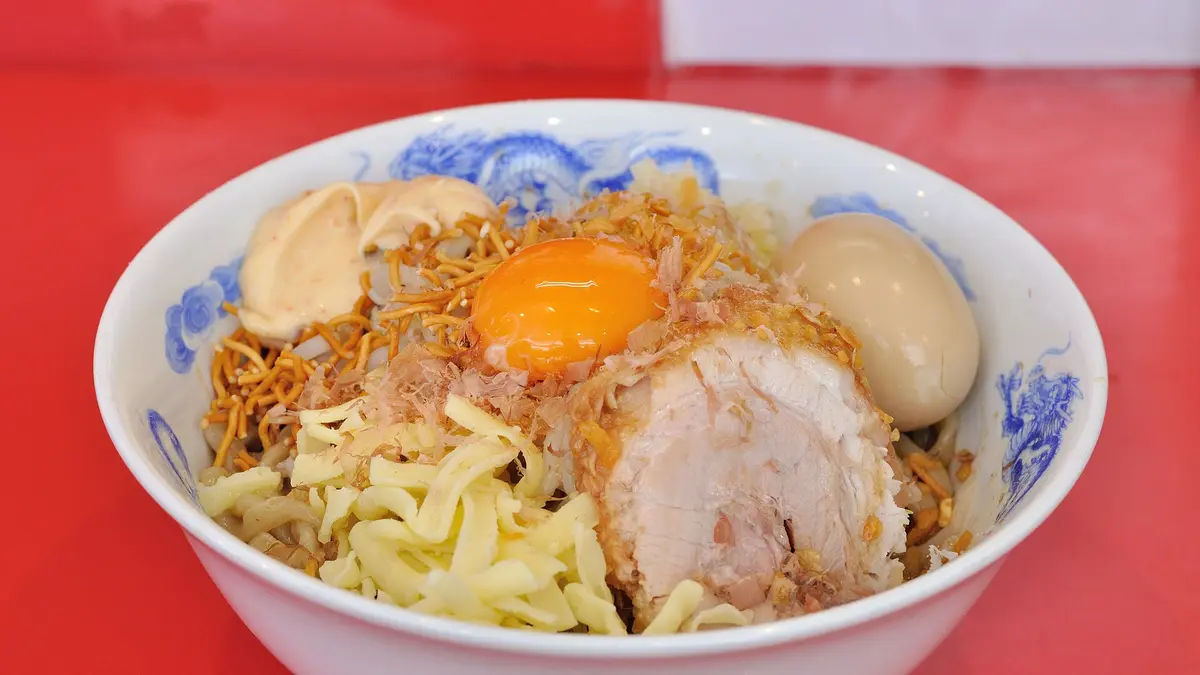
Japanese food is one of the most popular foreign cuisines in Jakarta, and it has become part of everyday eating rather than a special-occasion treat. Bento sets are a standard mall lunch, ramen counters draw queues of students, and families celebrate birthdays at all-you-can-eat grill restaurants. Behind that ordinary presence is a longer story involving business ties between the two countries, a long-standing Japanese expatriate community and a generation of Indonesians who grew up with Japanese animation and pop culture. This guide explains how Japanese dining spread through the city, what the main styles are, how to approach Japanese food if you eat halal, and some ordering tips.
How Japanese dining took root in Jakarta
Japanese companies, particularly in manufacturing, trading and the automotive sector, have operated in Indonesia for decades, and with them came a sizeable community of Japanese residents. Restaurants grew up to serve that community, first in a fairly small way, and then increasingly for Indonesian diners as well.
Over time, Japanese food moved into the malls. Indonesian-owned chains adapted bento and donburi to local tastes, often with sweeter sauces, chicken in place of pork and a side of chilli sauce, and many of these chains obtained halal certification. Later waves brought specialist ramen shops, conveyor-belt sushi, yakiniku and shabu-shabu buffets, Japanese bakeries and dessert cafés. Today you will find Japanese food at every level, from food-court counters to quiet omakase counters with only a handful of seats.
Little Tokyo in Blok M
The best-known Japanese dining area in Jakarta is around Jalan Melawai and the surrounding streets in Blok M, South Jakarta, often called Little Tokyo. It developed as a cluster of small Japanese restaurants, izakaya-style bars and shops catering to Japanese residents and business visitors. The streets have a lived-in, after-work atmosphere, with lanterns and Japanese signage, and the area has hosted Japanese-themed street festivals in some years.
Little Tokyo is a good place to find smaller, more specialised places: yakitori grills, izakaya, ramen and set-meal restaurants. Some are aimed squarely at Japanese diners and serve pork and alcohol, so halal-conscious visitors should check before sitting down. The area is close to Blok M MRT station and to TransJakarta stops, which makes it one of the easier dining districts to reach without a car. For a wider look at the area and others like it, see our Jakarta neighbourhood dining guide.
Malls and newer districts
Most Japanese meals in Jakarta are eaten in malls. Large malls usually have several Japanese options across a range of styles, and the most popular often have queues at weekend lunchtimes. Newer business and lifestyle districts such as Senopati, SCBD and parts of Kemang have a share of upmarket Japanese restaurants, sake bars and omakase counters, while satellite areas such as BSD, Serpong and Kelapa Gading have big family-friendly Japanese chains in their malls.
Styles to know
| Style | What it is | Points to check |
|---|---|---|
| Ramen | Wheat noodles in rich broth with toppings | Pork-based broth and chashu are traditional |
| Sushi and sashimi | Vinegared rice with fish, or sliced raw fish | Freshness; mirin in some sauces |
| Tempura | Battered, deep-fried seafood and vegetables | Dipping sauce may contain mirin |
| Yakiniku and shabu-shabu | Grill-it-yourself meat, or meat swished in hot broth | Time limits at buffets; pork on some menus |
| Teppanyaki | Food cooked on an iron griddle, often in front of you | Sake or wine used for flambé |
| Katsu | Breaded, fried cutlet | Tonkatsu is pork; chicken katsu is widely available |
| Kushiyaki and izakaya | Grilled skewers and small plates with drinks | Tare sauce and alcohol focus |
Ramen
Traditional Japanese ramen is often based on pork bone broth and topped with braised pork belly (chashu). In Jakarta you will find both pork-based ramen and many chicken- or beef-based versions developed for the local market. Spicy ramen with a chilli-oil base is especially popular.
Sushi and sashimi
Options range from conveyor-belt chains to formal counters. Indonesian diners have embraced cooked and fusion rolls topped with mayonnaise, cheese or torched salmon, alongside traditional nigiri. If you are bringing young children, cooked rolls, tamago (sweet omelette) and cucumber rolls are gentler starting points; ask your paediatrician if you are unsure about raw fish for small children.
Tempura, katsu and donburi
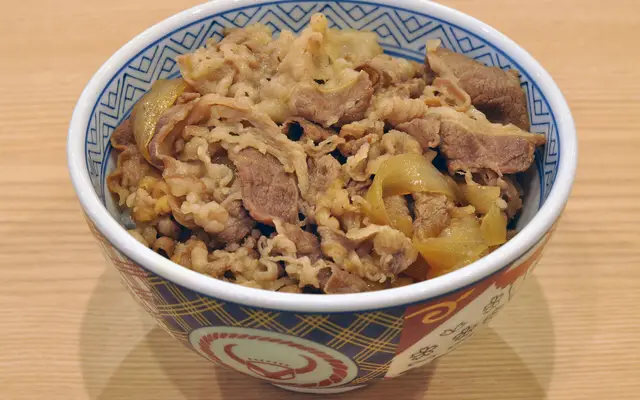
These fried and rice-bowl dishes are the backbone of mall Japanese food. Chicken katsu with curry sauce, beef bowls and tempura sets are reliable and usually mild. If you have travelled in Japan, our guide to gyudon beef-bowl chains in Japan explains how the same dish is ordered there.
Yakiniku, shabu-shabu and teppanyaki
Grill and hotpot restaurants are popular for groups and celebrations. All-you-can-eat formats usually run on a time limit, and some charge for leftover food, so order in small rounds.
Kushiyaki and izakaya
Izakaya are Japanese-style pubs serving grilled skewers and shared plates. In Jakarta they are concentrated in Little Tokyo and the upmarket districts. They are relaxed places to eat, though drinks are central to the experience.
Halal-friendly Japanese food
Japanese cooking uses several ingredients that matter to halal-observant diners: pork, alcohol-based seasonings such as mirin and sake, some soy sauces brewed with alcohol, gelatine in desserts, and lard in some fried dishes. Approaches that help:
- Look for the official Indonesian halal logo. Many local Japanese chains carry certification, and it is usually displayed at the entrance or on the menu.
- Treat “no pork” as a partial answer. A “pork-free” sign does not mean the kitchen avoids mirin or sake, so ask if that matters to you.
- Ask directly. Useful questions are ada babi? (is there pork?), pakai mirin atau sake? (do you use mirin or sake?) and ini halal? (is this halal?). Staff in Jakarta are very used to these questions.
- Choose the protein carefully. Chicken katsu, beef bowls, salmon dishes and chicken- or beef-based ramen are common halal-friendly choices when the restaurant is certified.
Ordering tips
- Tablet and QR ordering is now common in Japanese restaurants. Read time limits and service charge notes on the screen before you start.
- Go easy on soy sauce. Dip fish side down, lightly, rather than soaking the rice.
- Chopstick etiquette. Avoid standing chopsticks upright in rice or passing food from one pair of chopsticks to another, as both echo funeral customs in Japan.
- Heat safety. Grills and hot plates are built into many tables, so seat young children on the far side and supervise closely. Our family-friendly restaurants guide has more tips for eating out with children.
- Timing. Popular mall Japanese restaurants queue heavily at weekend lunchtimes. Arriving early or eating mid-afternoon saves a long wait, and taking the MRT to Blok M avoids the worst evening traffic.
Frequently asked questions
Where is Little Tokyo in Jakarta?
It is the area around Jalan Melawai in Blok M, South Jakarta, close to Blok M MRT station. It has a cluster of small Japanese restaurants, izakaya and shops.
Can I find halal ramen in Jakarta?
Yes. Many ramen shops serve chicken- or beef-based broths, and some have halal certification. Check for the official halal logo and ask about mirin and sake if that matters to you.
Is Japanese food in Jakarta adapted to local tastes?
Often, yes. Many mall chains use sweeter sauces, offer chilli condiments and favour chicken and beef. Specialist restaurants, especially in Little Tokyo, tend to cook closer to Japanese style.
Keep reading

Jakarta Dining by Neighbourhood: Where to Eat and What to Expect
What each Jakarta dining district is known for, from old Menteng and Glodok to Senopati, PIK and BSD, and how to get there.
Gyudon in Japan: A Traveller's Guide to the Big Beef Bowl Chains
Sweet-savoury beef over rice, served in minutes: how to order gyudon at Japan's big beef bowl chains, from sizes and toppings to ticket machines.
How to Choose Family-Friendly Restaurants in Jakarta: A Parent's Guide
What to look for when eating out with children in Jakarta, from mall food courts and mild menus to timing your trip around traffic.