
Jakarta Restaurants · Guide
Jakarta Dining by Neighbourhood: Where to Eat and What to Expect
What each Jakarta dining district is known for, from old Menteng and Glodok to Senopati, PIK and BSD, and how to get there.
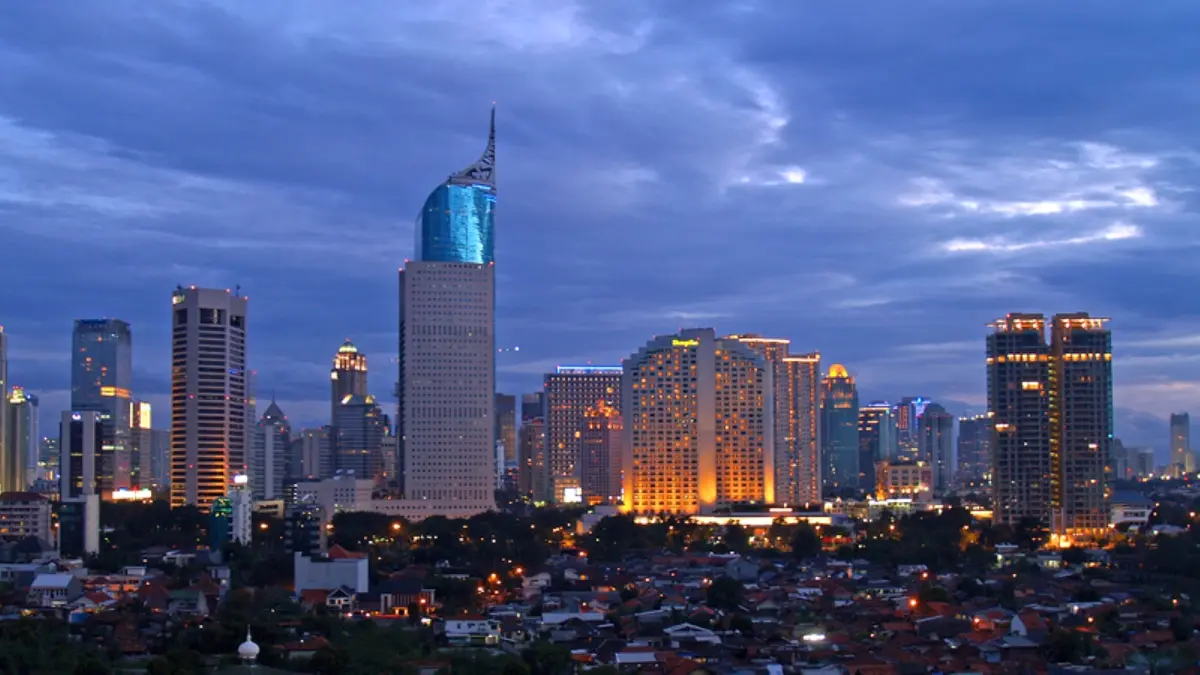
Jakarta is not one dining scene but many. Greater Jakarta sprawls across several cities and provinces, and each district has its own food personality shaped by who lives there, who works there and how old the neighbourhood is. A colonial-era street of bakeries in Menteng, the cocktail bars of Senopati, the Chinese-Indonesian kitchens of Glodok and the waterfront food halls of PIK feel like different cities. Because traffic makes crossing Jakarta slow, it is usually best to pick an area and explore it properly rather than hopping between districts. This guide describes what each major dining neighbourhood is known for, without reviewing specific venues, and how to get there.
Before you go: getting around
| Area | Part of the city | Known for | Easiest access |
|---|---|---|---|
| Menteng | Central | Older restaurants, bakeries, food streets | MRT, TransJakarta, KRL |
| Senopati and SCBD | South | Upmarket dining, brunch, bars | MRT, ride-hailing |
| Kemang | South | Cafés, international food, expat favourites | Ride-hailing |
| Blok M | South | Little Tokyo, budget eats, creative spaces | MRT, TransJakarta |
| Glodok | West/North | Chinatown food, temples, markets | TransJakarta, KRL |
| Kelapa Gading | North | Chinese-Indonesian food, malls, seafood | Car, ride-hailing |
| PIK | North | Waterfront food halls, seafood, newer venues | Car |
| BSD and Serpong | Tangerang | Big malls, family dining | Car via toll road, KRL |
A few general rules apply everywhere:
- Rail first where possible. The MRT north–south line runs from Lebak Bulus through Blok M, Senayan and the Sudirman–Thamrin corridor to Bundaran HI, with a northern extension toward Kota under construction. TransJakarta’s bus corridors cover much more of the city, and the KRL commuter trains link the centre with the suburbs.
- Avoid peak commuting hours for cross-city trips, especially on weekday evenings and Friday nights.
- Know the road rules. Odd-even number-plate restrictions apply on several main roads at set times on weekdays. They mainly affect cars, so check the current rules before driving.
- Plan for rain. In the rainy season, heavy afternoon and evening downpours can flood low-lying roads, especially in the north, and ride-hailing waits get longer.
Menteng
Menteng is one of Jakarta’s oldest planned residential areas, with tree-lined streets and Dutch colonial-era houses. Its food reflects that history: long-running bakeries and ice-cream parlours, Indonesian restaurants that have served families for generations, and the Cikini area with its old-fashioned cafés. Nearby Jalan Sabang is a long-standing food street, busy at lunch with office workers and in the evening with stalls selling sate, nasi goreng and other classics. Menteng is central and well served by public transport, which makes it a good first area for visitors.
Senopati and SCBD
The streets around Senopati and the Sudirman Central Business District are where much of Jakarta’s newer upmarket dining lives: modern Indonesian tasting menus, international restaurants, brunch cafés, specialty coffee and cocktail bars. It is the area to look at for a special-occasion dinner or a stylish weekend brunch. Bookings help on Friday and Saturday nights, and many venues serve alcohol, so check halal status if it matters to you.
Kemang
Kemang has long been associated with Jakarta’s expatriate community, and its restaurants and cafés reflect that, with Western, Middle Eastern, Korean and Japanese food alongside Indonesian. Many venues are in converted houses with gardens, which suits relaxed lunches. Kemang has no rail station of its own and its narrow roads clog easily, so ride-hailing or a planned car trip outside peak hours works best.
Blok M
Blok M is a transport hub and a long-standing shopping area. Around Jalan Melawai you will find Little Tokyo, a cluster of Japanese restaurants and izakaya covered in our guide to Japanese food in Jakarta. The area also has older malls with food courts, budget Indonesian eateries and creative spaces where small food businesses and cafés gather in refurbished buildings. With an MRT station and a large bus terminal, it is one of the easiest dining areas to reach.
Glodok
Glodok and the Petak Sembilan area form Jakarta’s Chinatown, near the old town (Kota Tua). This is where to look for Chinese-Indonesian noodles, steamed dumplings, old-style coffee shops and snacks, alongside temples and a traditional market. Many stalls serve pork, and some do not, so it is worth asking. Our Glodok and Petak Sembilan guide covers the area in detail. Go in the morning, when it is cooler and the market is busiest.
Kelapa Gading
Kelapa Gading in North Jakarta is a large residential and commercial district with a strong Chinese-Indonesian community and a reputation as one of the city’s big eating destinations. Expect noodle houses, seafood restaurants, dim sum, Indonesian-Chinese family restaurants and large malls with extensive food floors. The main boulevard area is lively in the evenings and at weekends. Driving or ride-hailing is the usual way in.
Pantai Indah Kapuk (PIK)
PIK is a newer waterfront development in the north-west, which has grown quickly into a weekend destination. It is known for large food halls, seafood, dessert and coffee shops, Chinese-Indonesian restaurants and themed dining areas, with newer extensions continuing to open further along the coast. Weekends are busy and parking fills up, so arriving earlier in the day helps. Many venues are non-halal or serve alcohol, while others are halal-certified, so check individually.
BSD and Serpong
The planned towns of BSD City and Serpong, in Tangerang to the south-west, have some of the region’s largest malls and many family-oriented restaurants, including big international and Japanese chains, Indonesian restaurants and food halls. They are popular for weekend family outings, with plenty of parking and indoor play areas. Access is by toll road or by KRL commuter train.
Planning a day by area
Pairing nearby areas saves hours in traffic:
- Old Jakarta day: breakfast and snacks in Glodok, the museums of Kota Tua, then dinner around Menteng or Jalan Sabang.
- South Jakarta day: lunch in Blok M by MRT, an afternoon in a café in Senopati, dinner in SCBD.
- North Jakarta weekend: Kelapa Gading for lunch and PIK for an evening by the water, by car.
For roadside eating along the way, our Jakarta street food guide explains what to look for and how to order. Travelling with children? See our guide to choosing family-friendly restaurants in Jakarta.
Venues change quickly in every one of these areas, so check a map app for current opening status before setting off.
Frequently asked questions
Which Jakarta neighbourhood is best for a first visit?
Menteng and Blok M are easy starting points. Both are reachable by MRT or TransJakarta and have a mix of Indonesian classics, street food and cafés.
Where should I go for Chinese-Indonesian food?
Glodok is the historic centre, while Kelapa Gading and PIK in the north have many larger Chinese-Indonesian restaurants. Many serve pork, so ask about halal status if needed.
How much time should I allow for travel between areas?
Allow generously. A trip that takes twenty minutes on a quiet Sunday morning can take well over an hour on a weekday evening or in heavy rain.
Keep reading
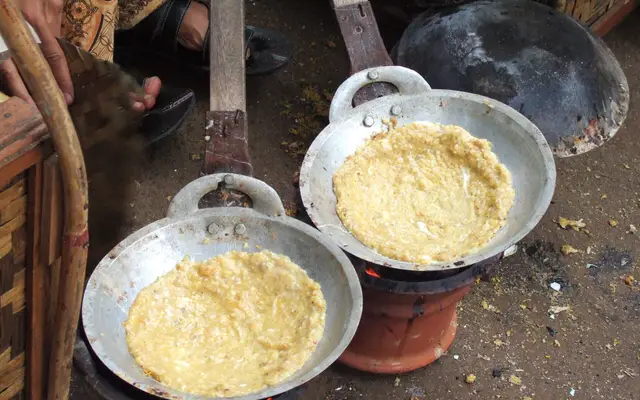
Jakarta Street Food Guide: What to Eat, Where to Look and How to Order
From kerak telor to late-night martabak, the dishes that define Jakarta street food and how to order them with confidence.
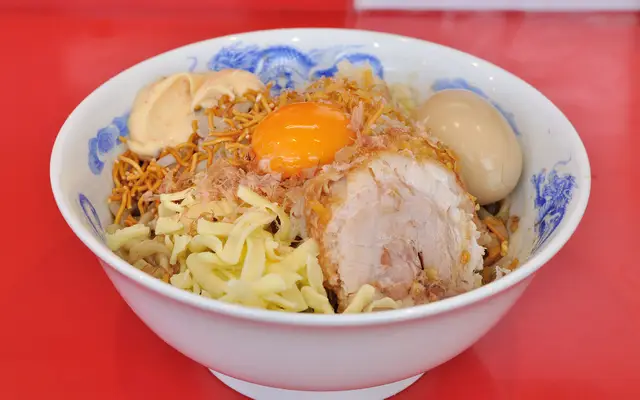
Japanese Food in Jakarta: Styles, Neighbourhoods and Halal-Friendly Tips
Ramen, sushi, yakiniku and more: how Japanese dining spread across Jakarta and how to order it, including halal-friendly options.
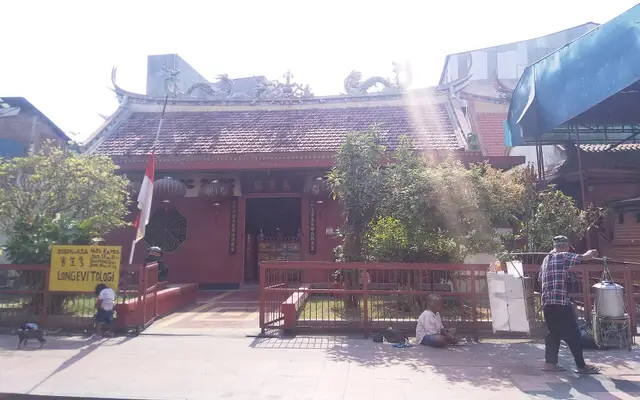
Glodok and Petak Sembilan: A Food Guide to Jakarta's Chinatown
What to eat around Petak Sembilan and Gang Gloria in Glodok, Jakarta's Chinatown, with notes on temples, festivals and pork.