
Jakarta Restaurants · Guide
Jakarta Street Food Guide: What to Eat, Where to Look and How to Order
From kerak telor to late-night martabak, the dishes that define Jakarta street food and how to order them with confidence.
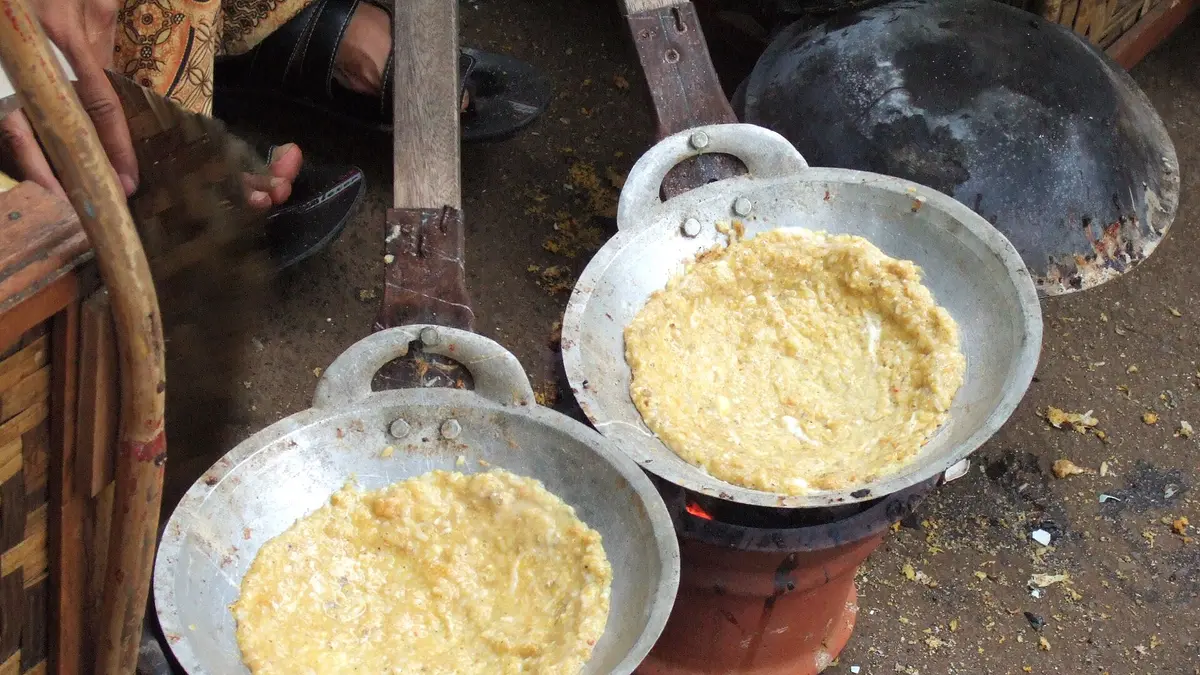
Jakarta eats on the street. Long before the malls and cafés, the city was fed by pushcarts, shoulder-pole vendors and roadside tents, and that system is still very much alive. Office workers queue at carts on side streets at lunchtime, families gather at tented stalls after dark, and roaming sellers announce themselves by knocking a wok or ringing a bell as they move through residential lanes. This guide covers the dishes most associated with the city, where street food tends to cluster, how to choose a stall, and the handful of Indonesian phrases that make ordering much easier.
How Jakarta street food works
A few terms help you read the scene:
- Gerobak is a pushcart, often with a small stove and glass display case. Many carry a single dish such as bakso, siomay or nasi goreng.
- Kaki lima literally means “five feet” and is used for street vendors in general.
- Warung is a small, simple eatery, sometimes just a counter and a bench. Warung tenda are the tents that pop up on pavements in the evening, often selling pecel lele (fried catfish), seafood or sate.
- Pujasera is a hawker-style food centre where many small vendors share common seating. Mall food courts are the air-conditioned version.
Timing matters. Breakfast sellers of bubur ayam, nasi uduk and lontong sayur work early and are often sold out by mid-morning. Lunch carts gather around offices. Many of the best-known night foods, including martabak, sate and pecel lele, only appear after dark.
Dishes to know
Kerak telor
Kerak telor is the dish most closely tied to Betawi culture, the culture of Jakarta’s long-established native community. Glutinous rice is cooked with egg in a small wok over charcoal, then the wok is turned upside down so the top crisps directly over the coals. It is finished with serundeng (toasted spiced coconut), dried shrimp and fried shallots. It is most visible during the annual Jakarta Fair, around Monas and at cultural events, and is worth trying whenever you see the distinctive charcoal braziers.
Ketoprak
A plate of tofu, rice cake (lontong or ketupat), rice vermicelli and bean sprouts under a garlicky peanut sauce sweetened with kecap manis, topped with crackers. The vendor grinds the sauce to order on a stone mortar, so you can ask for the chilli level you want. It contains peanuts throughout.
Soto Betawi
Jakarta’s own soto is rich rather than clear: beef, and sometimes offal, in a broth enriched with coconut milk and often milk, served with tomato, potato, fried shallots, emping crackers and lime. Ask for daging saja if you would rather have meat only, without offal.
Nasi uduk
Rice cooked in coconut milk with lemongrass and salam leaves, served with fried chicken, tempeh, egg, fried shallots and sambal. It is a breakfast and evening staple, and the Kebon Kacang area near Tanah Abang has long been associated with it. Our Indonesian breakfast guide covers it alongside bubur ayam and other morning dishes.
Martabak
Two very different dishes share the name. Martabak manis is a thick, sweet griddle pancake folded around fillings such as chocolate sprinkles, cheese, peanuts or condensed milk; it is covered in our Indonesian desserts guide. Martabak telur is a thin dough wrapped around egg, minced meat and spring onion, fried and cut into squares, served with pickled cucumber and chilli. Both are evening foods, and the stalls are easy to spot by their large flat griddles.
Bakso
Meatball soup, usually beef, served with noodles, tofu, greens and a broth you season yourself at the table with sambal, kecap manis, vinegar and sometimes tomato sauce. Bakso carts are everywhere, from residential lanes to office car parks.
Gorengan
Fried snacks sold from carts with a big wok of oil: tempe mendoan, tahu isi (stuffed tofu), bakwan (vegetable fritters), pisang goreng (fried banana) and more. They are eaten with fresh green bird’s-eye chillies bitten alongside, which is very hot. Buy them fresh from the wok rather than from a pile that has been sitting.
Others worth knowing
Siomay (steamed fish dumplings with peanut sauce), nasi goreng from a pushcart, sate ayam, pecel lele, roti bakar (thick grilled toast with sweet fillings) and es doger (a pink iced coconut drink) are all common sights.
Where street food tends to cluster
You do not need a special destination to eat street food in Jakarta, but some patterns help:
- Around stations, markets and bus stops, where foot traffic is constant.
- Office districts at lunchtime, especially the side streets behind the main roads around Sudirman, Thamrin and Kuningan.
- Long-standing evening food streets in central and northern Jakarta, such as Jalan Sabang in Menteng and the Pecenongan area, which are known for night-time stalls.
- Glodok and the Chinatown area, where Chinese-Indonesian snacks and noodle stalls are concentrated; see our Glodok and Petak Sembilan guide. Some stalls in this area and in Mangga Besar serve pork, so ask if that matters to you.
- Ramadan takjil markets, which appear in the late afternoon in many neighbourhoods selling snacks and sweet drinks for breaking the fast.
Vendors move, so treat any specific street as a starting point and check a map app or recent social media posts before travelling across the city.
Food courts and pujasera
If you are new to the city, travelling with children or simply want a gentler introduction, food courts are an excellent option. Mall food courts and pujasera bring many street-food dishes under one roof, with seating, toilets and hand-washing sinks. The food may be slightly less distinctive than at the best roadside stalls, but the range lets you try several dishes in one sitting.
Hygiene tips
Most visitors eat street food in Jakarta without trouble. A few habits help:
- Choose busy stalls. High turnover means fresh ingredients.
- Favour food cooked to order and served hot. Be more careful with dishes that sit at room temperature for a long time.
- Watch the ice. Tube-shaped ice with a hole in the middle is usually factory-made. If in doubt, order drinks tanpa es (without ice).
- Be cautious with raw garnishes if you have a sensitive stomach, and peel fruit yourself where you can.
- Carry hand sanitiser and tissues. Not every stall has a sink.
- Mention allergies clearly. Peanuts appear in many sauces. Saya alergi kacang means “I am allergic to peanuts”.
Useful ordering phrases
| Indonesian | Meaning |
|---|---|
| Satu, ya | One, please |
| Tidak pedas / pedas sedikit | Not spicy / a little spicy |
| Sambalnya dipisah | Sambal on the side |
| Makan di sini | Eating here |
| Bungkus | Takeaway (wrapped) |
| Tanpa es | Without ice |
| Pakai telur? | With egg? |
| Terima kasih | Thank you |
Sambal heat varies a lot between vendors. Our sambal guide explains the main types so you know what you are adding.
Getting around for street food
The MRT, TransJakarta buses and the KRL commuter trains reach most of the areas above, and ride-hailing motorbikes and cars fill the gaps. Evening food streets get very busy on weekends, so it is often easier to be dropped off nearby and walk. In the rainy season, tents and carts may close or shift during heavy downpours, and flooding can affect low-lying streets, so have a covered food court as a back-up plan.
Frequently asked questions
Is Jakarta street food safe to eat?
Many visitors eat it regularly. Choose busy stalls, eat food that is cooked fresh and hot, drink bottled water and be careful with ice and raw garnishes if your stomach is sensitive.
Is street food in Jakarta halal?
Most of it is, as Indonesia is a majority-Muslim country. Some Chinese-Indonesian stalls serve pork, especially in Glodok and parts of northern Jakarta. If unsure, ask ini halal? or look for the official halal logo.
When is the best time to try street food?
Early morning for breakfast dishes such as nasi uduk and bubur ayam, lunchtime near offices, and after dark for martabak, sate and warung tenda.
Keep reading
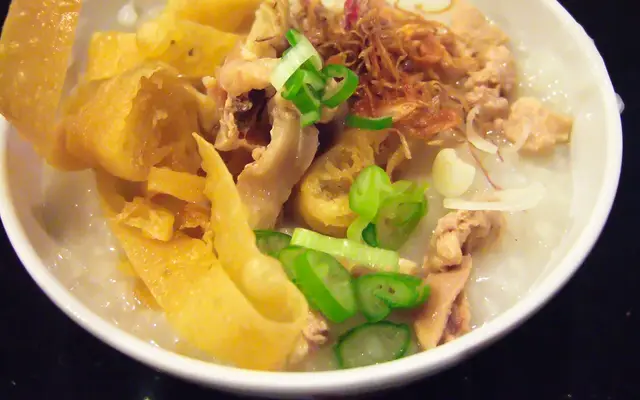
Indonesian Breakfast Guide: Bubur Ayam, Nasi Uduk and Morning Snacks
From rice porridge to coconut rice and market cakes, here is how an Indonesian morning tastes and how to order it.
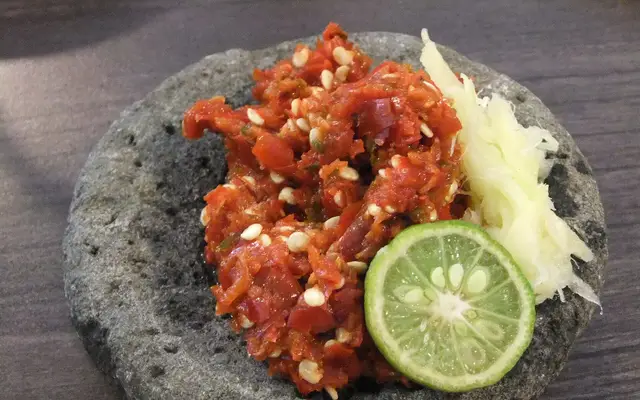
Sambal Guide: Indonesia's Chilli Sauces, From Terasi to Matah
Raw or cooked, sweet or sour, mild or fierce: a practical guide to the chilli sauces on every Indonesian table.
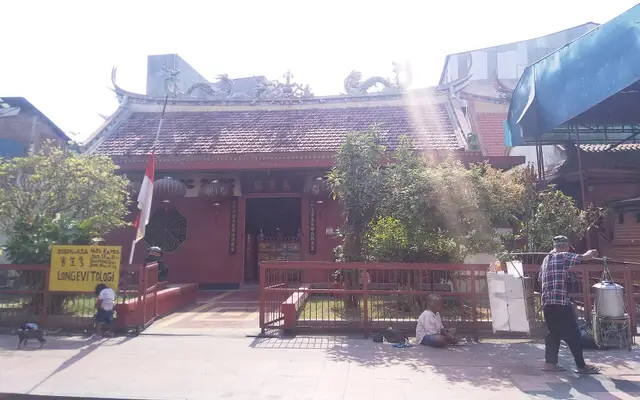
Glodok and Petak Sembilan: A Food Guide to Jakarta's Chinatown
What to eat around Petak Sembilan and Gang Gloria in Glodok, Jakarta's Chinatown, with notes on temples, festivals and pork.