
Indonesian Food · Guide
Indonesian Desserts Guide: Es Campur, Klepon, Martabak Manis and More
Coconut, palm sugar and pandan in a dozen forms: the Indonesian sweets worth knowing and how they are eaten.
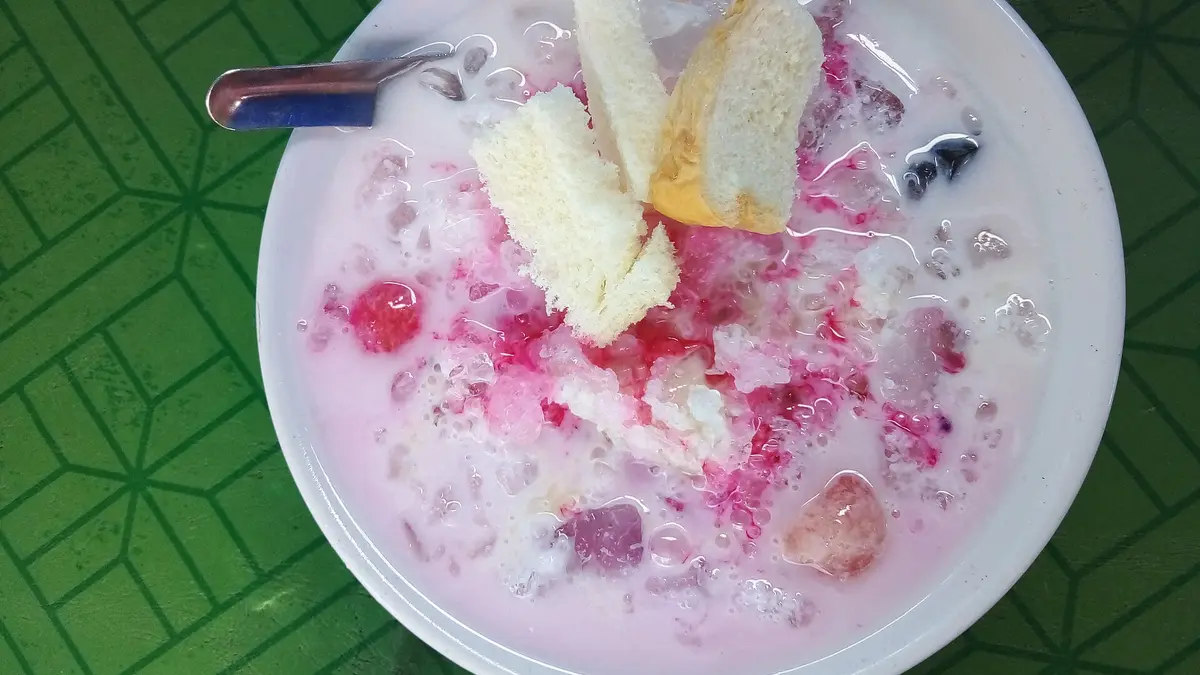
Indonesian sweets are built from a short list of ingredients used with a great deal of imagination. Coconut appears as grated flesh, rich santan (coconut milk) and young coconut strips. Gula Jawa, the dark palm or coconut sugar sold in cylinders, gives a smoky caramel depth. Pandan leaf adds a green colour and a scent somewhere between vanilla and fresh-cut grass. Rice flour, glutinous rice and tapioca provide the chew. With those building blocks, cooks make everything from shaved-ice bowls to steamed layer cakes and thick griddled pancakes. This guide covers the desserts you are most likely to see in Indonesian cities, what goes into them, and when people eat them.
How sweets fit into the day
In Indonesia, the line between dessert and snack is blurry. Many sweets are eaten mid-morning or mid-afternoon with tea or coffee rather than at the end of a meal. Kue (cakes) are bought by the piece from market stalls and bakeries, iced drinks are a hot-afternoon habit, and the big griddled pancakes are an evening street-food treat. During Ramadan, sweet drinks and kolak (fruit in coconut milk and palm sugar) are a traditional way to break the fast.
Iced desserts
Es campur
Es campur means “mixed ice”, and that is exactly what it is: shaved or crushed ice over a mix of ingredients, finished with syrup and often sweetened condensed milk. Each seller has their own combination, but common elements include grass jelly (cincau), cubes of agar jelly, kolang-kaling (sugar palm fruit), tapioca pearls, jackfruit, avocado, young coconut and sweet beans. Rose-pink syrup is the classic colour. It is less a fixed recipe than a format, so the fun is in seeing what each cart puts in.
Es teler
Es teler is a richer, more focused bowl: avocado, young coconut and jackfruit in coconut milk and condensed milk over ice. The name is often explained as a joke that the dessert is so good it leaves you dazed (“teler”); there is no alcohol in it. It became widely known across the country in the late twentieth century, helped by chain outlets that put it on menus in malls and food courts.
Other iced drinks worth knowing
- Es cendol / es dawet: green rice-flour jellies in coconut milk and palm sugar syrup.
- Es doger: a pink, coconut-milk-based ice associated with Betawi and Sundanese street vendors.
- Es pisang ijo: banana wrapped in green dough, served with sweet sauce and syrup, from Makassar.
Steamed and boiled kue
Klepon
Klepon are small balls of glutinous rice dough, coloured and scented with pandan, filled with a nugget of palm sugar and boiled until they float. They are then rolled in freshly grated coconut. The palm sugar melts during cooking, so the first bite releases a burst of syrup. Eat them whole, or carefully.
Kue lapis
Kue lapis is a steamed cake made from rice flour, tapioca and coconut milk, built up one thin layer at a time so the finished slice shows neat stripes of colour. Children often peel the layers off one by one. It should not be confused with lapis legit, a baked, densely layered butter cake flavoured with warm spices that is tied to Dutch colonial-era baking and is a popular gift during festive seasons.
Dadar gulung
Dadar gulung is a thin pandan crepe rolled around unti, a filling of grated coconut cooked with palm sugar. The result looks like a small green spring roll and is one of the most common items on a market cake tray.
Bubur sumsum
Bubur sumsum is a soft, white rice-flour pudding cooked with coconut milk and a pinch of salt, served with a pool of warm palm sugar syrup (kinca). The name refers to bone marrow, a nod to its colour and silky texture rather than any ingredient. It is a gentle, comforting dessert and is often one of the first sweets offered to young children and to people recovering from illness.
Griddled and fried sweets
Martabak manis
Martabak manis is a thick, spongy pancake cooked in a heavy round pan on a street cart in the evening. The batter bubbles into a honeycomb texture, then the cook brushes it with butter or margarine, adds fillings, folds it in half and cuts it into slices. Classic fillings are chocolate sprinkles, crushed peanuts, sweetened condensed milk and grated cheese, often combined. Newer stalls offer everything from matcha and cookie spreads to very thin, crisp versions called martabak tipis kering. In parts of East Java and some other regions, the same dish is called terang bulan. Its origins are commonly linked to Bangka, which is why some stalls advertise themselves as “martabak Bangka”. It is not related to martabak telur, the savoury, egg-filled pastry sold on the same carts.
Serabi
Serabi are small pancakes made from rice flour and coconut milk, cooked in clay or iron moulds. The best-known styles differ widely. Serabi Solo are thin, soft and creamy, cooked with a rich coconut-milk topping and often rolled in a banana-leaf wrapper. In West Java, surabi are thicker and come with sweet or savoury toppings such as kinca, oncom or egg. Our page on serabi Solo explains the regional differences in more detail.
Pisang goreng
Pisang goreng is fried banana, sold everywhere from street carts to cafés. Firmer cooking bananas, such as pisang kepok or pisang raja, hold their shape better than dessert bananas. Variations include pisang molen (banana wrapped in pastry), pisang goreng kipas (fanned out before frying), and Pontianak-style pisang goreng served with kaya-like srikaya jam. Many cafés top it with cheese and chocolate. Fried snacks of this kind sit alongside other gorengan in the Jakarta street food guide.
Kue leker
Kue leker is a very thin, crisp crepe folded around sweet or savoury fillings, especially well known in Semarang. Read more in our guide to kue leker.
Quick reference
| Sweet | Main ingredients | When it is usually eaten |
|---|---|---|
| Es campur | Shaved ice, jellies, fruit, syrup | Hot afternoons |
| Es teler | Avocado, jackfruit, coconut, milk | Afternoons, after lunch |
| Klepon | Glutinous rice, pandan, palm sugar, coconut | Snack, any time |
| Kue lapis | Rice flour, tapioca, coconut milk | Snack, gatherings |
| Martabak manis | Wheat batter, butter, fillings | Evenings |
| Serabi | Rice flour, coconut milk | Mornings and snacks |
| Bubur sumsum | Rice flour, coconut milk, palm sugar | Afternoons, comfort food |
| Dadar gulung | Pandan crepe, coconut, palm sugar | Snack, breakfast |
| Pisang goreng | Banana, batter | Afternoon tea, any time |
Where to find them
Kue basah sell out early at traditional markets and are also sold at bakeries and in supermarket chillers. Iced desserts and martabak are mostly street-food items, with martabak carts appearing from late afternoon. Several of the market cakes overlap with the morning trays described in our Indonesian breakfast guide.
Sweets and children
Indonesian sweets are usually a hit with children, but a few need care. Sticky, chewy kue such as klepon and other glutinous rice cakes can be a choking hazard for children under four, so cut them into small pieces and supervise. The palm sugar inside freshly cooked klepon and the syrup on hot desserts can be very hot. Martabak often contains crushed peanuts, and many kue contain coconut, milk or egg, so ask about ingredients if your family manages allergies, and speak to a paediatrician about any concerns.
Frequently asked questions
Are Indonesian desserts very sweet?
Many are, especially iced drinks with condensed milk and syrup. Coconut-based kue tend to be more balanced, with a little salt in the coconut milk to round out the sugar.
Are Indonesian desserts usually halal?
Most traditional sweets are made from plant ingredients, coconut, sugar, eggs and dairy. Some bakery cakes and imported-style desserts may use gelatine or flavourings containing alcohol, so check labels or ask if this matters to you.
What is the difference between martabak manis and martabak telur?
Martabak manis is a sweet, thick pancake. Martabak telur is a savoury, thin pastry filled with egg, minced meat and spring onion. The two are often sold by the same vendor.
Keep reading
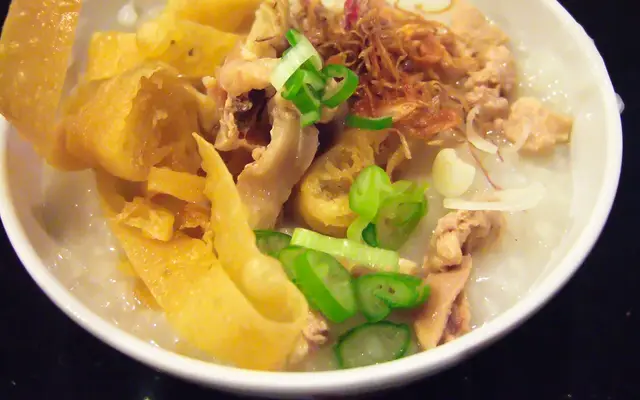
Indonesian Breakfast Guide: Bubur Ayam, Nasi Uduk and Morning Snacks
From rice porridge to coconut rice and market cakes, here is how an Indonesian morning tastes and how to order it.
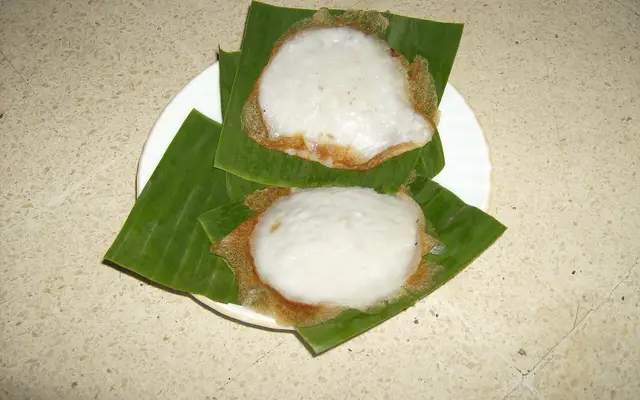
Serabi Solo: A Guide to Solo's Thin Coconut-Milk Pancakes
Solo's small coconut-milk pancakes have crisp edges and a custardy centre. Here is how they are made, eaten and how they differ from other serabi.
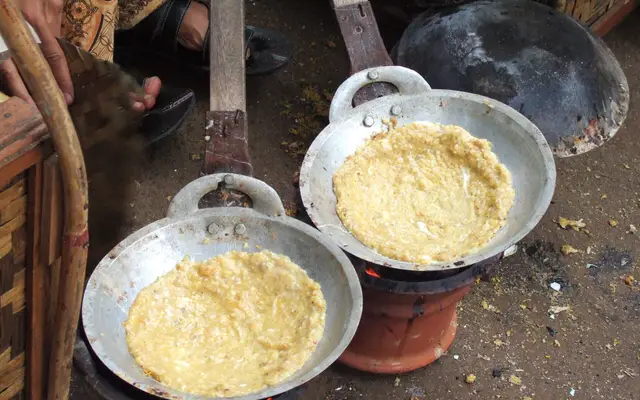
Jakarta Street Food Guide: What to Eat, Where to Look and How to Order
From kerak telor to late-night martabak, the dishes that define Jakarta street food and how to order them with confidence.