
Indonesian Food · Guide
Serabi Solo: A Guide to Solo's Thin Coconut-Milk Pancakes
Solo's small coconut-milk pancakes have crisp edges and a custardy centre. Here is how they are made, eaten and how they differ from other serabi.
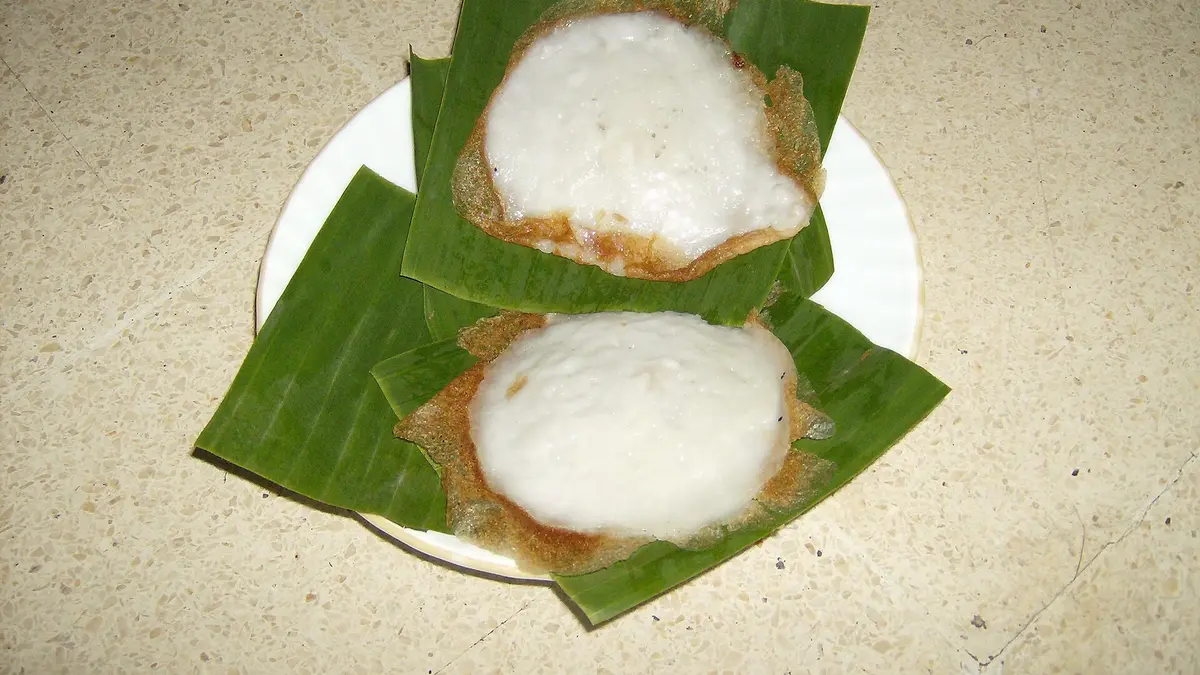
Serabi is one of the oldest snacks in Java: a small pancake made from rice flour and coconut milk, cooked in a little clay or iron pan until the base turns golden and the top sets into something between a crumpet and a custard. Almost every region has its own version, but the serabi of Solo (Surakarta) in Central Java is distinctive enough that people travel with boxes of it as a souvenir. This guide explains what sets the Solo style apart, how it is made and sold, what toppings to expect, and how it compares with the serabi and surabi you will find elsewhere in Indonesia.
What serabi Solo is
At its simplest, serabi Solo is a thin, round pancake around the size of a saucer. The batter is based on rice flour and coconut milk, sweetened with sugar and often scented with pandan or a pinch of salt to balance the richness. What makes the Solo version recognisable is its texture:
- Crisp, lacy edges. The batter is spread thin enough that the rim fries against the hot pan and turns brittle and golden.
- A soft, creamy centre. Just before the pancake is done, many makers spoon a layer of thick, lightly salted coconut cream onto the middle. It sets into a pale, almost custard-like layer.
- Rolled, not flat. Solo serabi is commonly rolled up and wrapped in a piece of banana leaf, which makes it easy to eat by hand and to pack in boxes.
The result is gently sweet rather than sugary, with the coconut doing most of the work. It is eaten as a snack, with tea in the afternoon, or as a light breakfast alongside the dishes covered in our Indonesian breakfast guide.
How it is cooked
Traditional serabi stalls cook over charcoal using rows of small, shallow pans, each with its own lid. The cook ladles a little batter into each pan, swirls it to coat, then covers it so the steam cooks the top while the bottom crisps. The coconut cream goes on near the end, and the finished pancake is lifted out with a thin spatula and rolled while still warm.
Charcoal gives a faint smoky edge that is hard to reproduce on a gas hob, which is one reason stall-made serabi tastes different from home attempts.
Toppings and flavours
The plain version, usually called original or putih, is the benchmark and the one to try first. Most sellers in Solo also offer a small range of toppings scattered onto the batter before the lid goes on:
| Topping | What to expect |
|---|---|
| Original (putih) | Coconut and rice flour only; the clearest taste of the style |
| Chocolate (cokelat) | Chocolate sprinkles or chips that melt into the centre |
| Banana (pisang) | Thin slices of ripe banana, softened by the steam |
| Jackfruit (nangka) | Fragrant strips of ripe jackfruit, a classic Javanese pairing |
| Cheese (keju) | Grated processed cheese, a more recent and popular addition |
Toppings vary by seller and season, so treat this as a guide to what is common rather than a fixed menu.
The Notosuman name
When people talk about serabi in Solo, the name Notosuman comes up quickly. It is one of the best-known names associated with the city’s serabi, with a family history that is generally traced back to the first half of the twentieth century, and its rolled, banana-leaf-wrapped serabi in boxes has become a familiar souvenir from Solo. More than one shop is commonly reported to trade under the Notosuman name, linked to different branches of the founding family, which can confuse first-time visitors.
The My Fun Food Diary editorial team has not visited Notosuman for this guide, and we are not reviewing it. If you plan to go, check the current location, opening status and which shop you are heading to on a map app before you set off. Long-established food businesses do move, change hands or adjust their hours.
Good serabi in Solo is not limited to famous names: morning markets and roadside stalls across the city sell it cooked to order. Our guide to traditional food markets in Indonesia has tips on navigating a pasar and buying from small vendors.
How serabi differs around Indonesia
Serabi is a family of snacks rather than a single recipe. If you have eaten it in one city, the next version you meet may look quite different.
Bandung surabi
In West Java the name is often surabi, and the pancakes are thicker and served flat in their clay pans rather than rolled. Traditional toppings include oncom (a fermented soybean or peanut cake) for a savoury version, or a sweet kinca sauce of palm sugar and coconut milk. Modern surabi stalls in Bandung offer long lists of toppings, from cheese and chocolate to sausage and egg. Our Bandung food guide covers surabi alongside other Sundanese snacks.
Serabi with kuah
In Jakarta and parts of Java, serabi is often served in a bowl with a generous ladle of kinca: warm coconut milk sweetened with gula jawa (palm sugar) and scented with pandan. The pancake soaks up the sauce, so the effect is closer to a pudding than a crisp snack.
| Style | Shape | Texture | Typical way to eat |
|---|---|---|---|
| Solo | Thin, rolled in banana leaf | Crisp edge, creamy centre | By hand, as a snack or souvenir |
| Bandung surabi | Thicker, flat | Soft and spongy, crisp base | From the pan or a plate, sweet or savoury toppings |
| Serabi kuah | Flat, in a bowl | Soft, soaked | With a spoon, in kinca sauce |
For more sweets from the same broad family, see our guide to Indonesian desserts.
Buying, carrying and storing serabi
Serabi is best eaten on the day it is made, ideally while still warm. A few practical points:
- Eat soon. Coconut milk spoils quickly in tropical heat. Keep boxed serabi out of direct sun and eat it within the day.
- Travelling with it. If you are taking serabi as oleh-oleh on a train or flight, buy it as close to departure as you can and keep it cool. It is not a snack to leave in a hot car.
- Reheating. A minute in a covered dry pan over low heat, or a brief steam, softens serabi that has firmed up. Microwaving can make the edges tough.
- Allergens. Serabi is usually made with coconut and rice flour, but some versions include wheat flour, egg, milk or cheese, and toppings can introduce more. Ask if you are buying for someone with allergies.
Serabi from mainstream sellers in Solo is generally free of pork and alcohol, though anyone who strictly follows halal practice can ask the seller or look for certification.
Trying serabi at home
Making serabi at home is very achievable, though the charcoal flavour is hard to match. The basics: whisk rice flour with coconut milk, a little sugar and salt, and let the batter rest so the flour hydrates. Cook in a small non-stick pan with a lid over low to medium heat, spoon a little thick coconut cream onto the centre once the base has set, and cover again until the top is just firm. Roll while warm. Store-bought rice flour and tinned coconut milk work well outside Indonesia; our Indonesian pantry essentials guide covers palm sugar and pandan substitutes.
If children are helping, let them whisk the batter and arrange toppings, and keep the hot pans and lids with an adult.
Planning a serabi stop in Solo
Solo works well as part of a Central Java food route that also takes in Yogyakarta and Semarang. Serabi is a natural morning or afternoon stop between bigger meals such as nasi liwet and timlo. See our food travel planning guide for Indonesia for route ideas and transport tips.
Frequently asked questions
Is serabi Solo the same as surabi?
They are related but not identical. Both are rice flour and coconut pancakes, but Solo serabi is thin, rolled and finished with coconut cream, while Bandung surabi is thicker, served flat and often topped with savoury or sweet additions.
Is serabi sweet?
Mildly. The original version tastes mostly of coconut with gentle sweetness. Chocolate, banana or jackfruit toppings make it sweeter.
How long does boxed serabi keep?
Treat it as a same-day snack. The coconut milk means it does not keep well at room temperature in a hot climate.
Keep reading
Indonesian Desserts Guide: Es Campur, Klepon, Martabak Manis and More
Coconut, palm sugar and pandan in a dozen forms: the Indonesian sweets worth knowing and how they are eaten.
Bandung Food Guide: Sundanese Dishes, Street Snacks and Lembang Trips
Sundanese cooking, tapioca snacks, dessert cafés and a Lembang day trip: how to eat well in Bandung and dodge the weekend traffic.
Kue Leker: A Guide to Indonesia's Thin, Crispy Street Crepe and Semarang
A paper-thin crepe folded around chocolate, banana, cheese or egg: the story of kue leker and why Semarang takes it so seriously.