
Food & Travel · Guide
Planning a Food Trip in Indonesia: Routes, Seasons and Stomach Safety
Three eating routes, when to go, how to get around and how to keep your stomach on side for a food-focused trip in Indonesia.
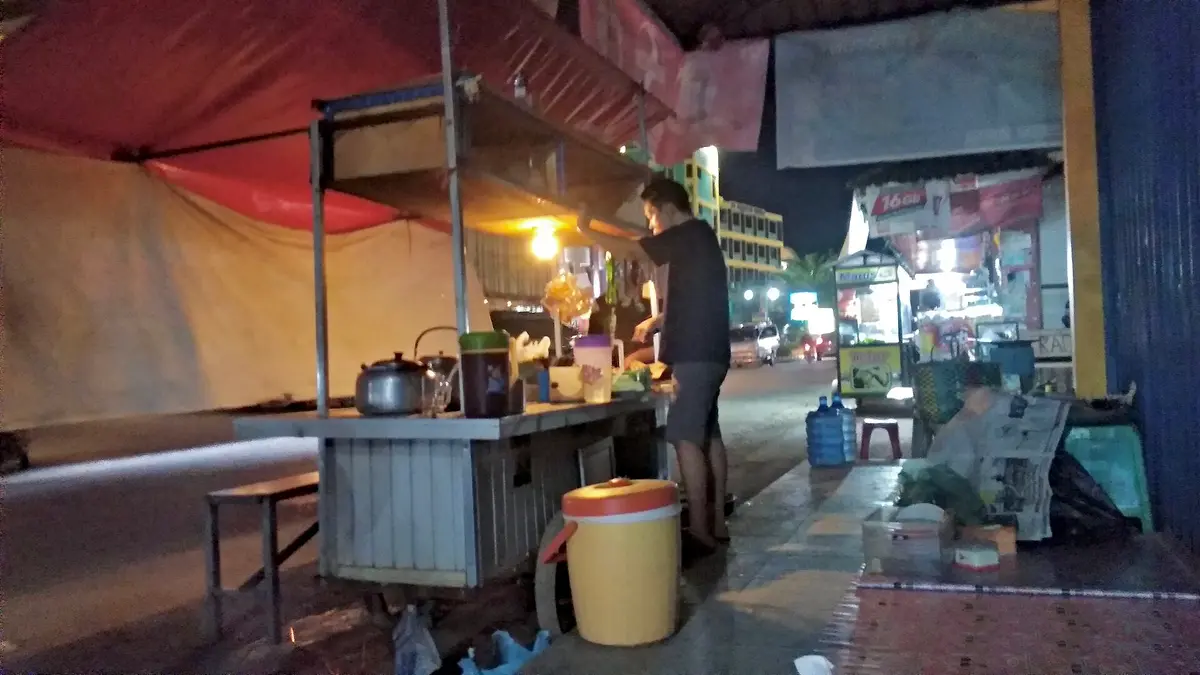
Indonesia rewards travellers who plan around food. Dishes change every few hours of travel: the soto in one city is clear and sour, the next is thick with coconut milk; satay sauce shifts from peanut to soy to spiced broth. The challenge is that the country is vast, traffic can be slow and the best eating often happens early in the morning or late at night. This guide sets out three routes that work well for a first or second food trip, how seasons and holidays affect your plans, practical transport and app advice, and how to stay healthy while eating adventurously.
Three routes for eaters
Route 1: Jakarta and Bandung
The capital and the West Java highlands make a natural pairing for a long weekend or a week. In Jakarta, focus on Betawi dishes such as soto Betawi, kerak telor and nasi uduk, the old Chinatown around Glodok, and the endless variety of street food; our Jakarta street food guide is a good starting list. Then head to Bandung for Sundanese cooking, with its raw vegetables (lalapan), sambal and grilled fish, plus a famous snack culture built on tapioca and peanut sauce. The Bandung food guide covers the city and the Lembang highlands.
Getting between the two is straightforward by intercity train, by the high-speed rail line that opened in 2023 (with onward connections into central Bandung), or by car along the toll road. Avoid driving on Friday evenings and Sunday afternoons, when weekend traffic between the cities builds up.
Route 2: Yogyakarta, Solo and Semarang
Central Java’s three cities form a compact triangle with very different food personalities. Yogyakarta is known for gudeg, the sweet jackfruit stew, for sate klathak and for late-night angkringan stalls; see our Yogyakarta local food guide. Solo, about an hour away by commuter train, has a quieter, refined style: nasi liwet, timlo, selat Solo (a Dutch-influenced braised beef salad) and the coconut-milk pancakes covered in our serabi Solo guide. Semarang, on the north coast, shows strong Chinese-Indonesian influence through lumpia (spring rolls filled with bamboo shoot), bandeng presto (pressure-cooked milkfish with softened bones) and wingko babat, a coconut cake.
A sensible pace is three nights in Yogyakarta, two in Solo and two in Semarang, using trains or a hired car with a driver.
Route 3: Bali beyond the beach
Bali’s food is distinct from the rest of Indonesia because the island is mainly Hindu. Signature dishes include babi guling (spit-roast pork), ayam or bebek betutu (chicken or duck slow-cooked with spice paste), lawar (minced meat and vegetables with grated coconut and spices), sate lilit wrapped around lemongrass and the island’s own nasi campur. Our guide to Balinese mixed rice explains the components. Base yourself inland around Ubud for a few days, where warung cooking is easy to find. Muslim travellers will find halal food readily, but should ask, as pork is common.
Choosing when to go
Indonesia has two broad seasons. The drier months usually run from around May to September, and the wetter months from around November to March, with transition periods in between. Rain tends to come as heavy afternoon or evening downpours rather than all-day drizzle, so wet-season travel is perfectly possible; just plan markets and outdoor eating for the morning.
Holidays matter more than weather for food travellers:
- Ramadan shifts about eleven days earlier each year. Daytime eating is quieter, but the late-afternoon takjil markets and buka puasa feasts are memorable. Customs are explained in our food etiquette guide.
- Lebaran (Idul Fitri) brings a mass exodus from big cities. Transport is booked solid and many small eateries close for days. Avoid travelling in the week around it unless you have family plans.
- School holidays, broadly late June to July and late December, crowd popular destinations such as Bandung, Yogyakarta and Bali.
- Nyepi in Bali closes the island for a day, including the airport.
Getting around
- Trains connect Java’s major cities comfortably. Tickets are sold through the national rail operator’s app and on major travel booking apps, and popular routes sell out at weekends and holidays.
- Domestic flights make sense for longer jumps, such as Java to Sumatra, Sulawesi or Bali.
- Ride-hailing apps such as Gojek and Grab offer car and motorbike rides plus food delivery, which is useful for trying a dish when traffic or weather keeps you in.
- Hired cars with drivers suit day trips to highland areas and are widely available through hotels.
City traffic is the single biggest variable. Build your day around one neighbourhood at a time rather than criss-crossing a city for single meals.
Apps and money
Map apps are essential for finding warung and checking whether a place is still trading. Reviews can help, but treat them as a starting point; small stalls often have few reviews and excellent food. Cash remains important for street food and markets, so carry small notes. QR payments through Indonesia’s national QR standard, QRIS, are now widespread in cities; check whether your own bank or wallet app supports it before relying on it. A local SIM or eSIM makes maps, ride-hailing and translation much easier.
Stomach safety
Eating street food is one of the joys of Indonesia, and most travellers manage it without trouble by following a few habits:
- Drink bottled or properly filtered water. Most hotels and homes use large refill bottles (galon).
- Choose busy stalls where food is cooked to order and served hot.
- Be cautious with raw garnishes, cut fruit and iced drinks for the first few days, then relax as you feel comfortable.
- Wash or sanitise your hands before eating, especially if you eat with your fingers.
- Build up chilli gradually. Ask for “tidak pedas” (not spicy) or “pedas sedikit” (a little spicy), and treat sambal as optional.
- Pack oral rehydration salts. If symptoms are severe, include blood or high fever, or last more than a day or two, see a doctor.
Travellers with allergies should know that peanuts appear in many sauces, from gado-gado to satay, and shrimp paste (terasi) is used widely in sambal and spice pastes. Carry a written note in Indonesian describing your allergy, and speak to your own doctor before travelling. Check with a travel clinic about recommended vaccinations well ahead of departure.
A sample day of eating
A rhythm that works in most Javanese cities: breakfast at a market or bubur cart, a mid-morning snack of kue basah or fried snacks, lunch at a busy rice-and-sides warung, an afternoon iced drink or dessert, and a light, late dinner at a night stall. Spreading eating across the day lets you try far more dishes than three large sit-down meals.
Frequently asked questions
How long do I need for an Indonesian food trip?
A week covers one route comfortably. Two weeks lets you combine Java with Bali, or add a Sumatran city such as Padang or Medan.
Is it safe to eat street food in Indonesia?
Generally yes, with sensible habits: hot, freshly cooked food from busy stalls, safe drinking water and clean hands.
Do I need to speak Indonesian?
Not essential, but a few phrases for ordering and spice levels go a long way, and translation apps fill most gaps.
Keep reading
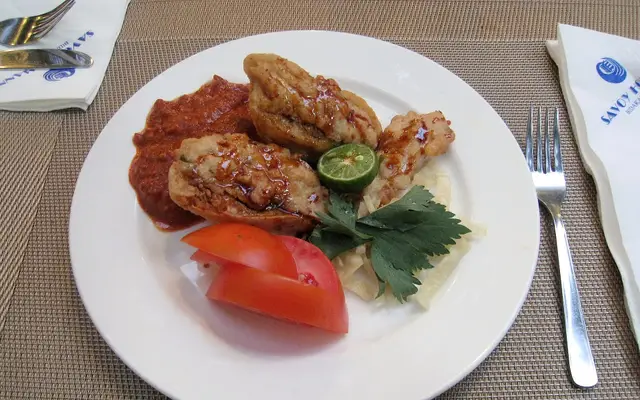
Bandung Food Guide: Sundanese Dishes, Street Snacks and Lembang Trips
Sundanese cooking, tapioca snacks, dessert cafés and a Lembang day trip: how to eat well in Bandung and dodge the weekend traffic.
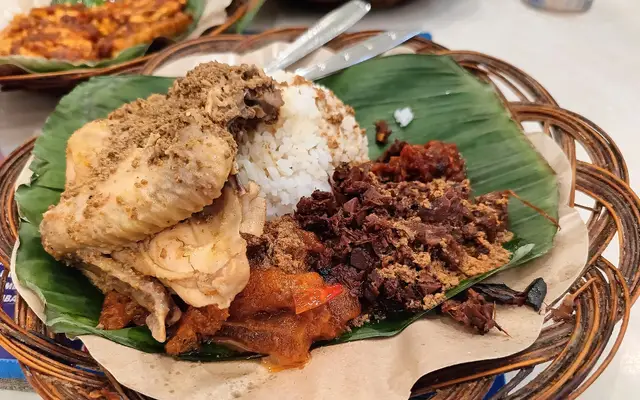
Where and What to Eat in Yogyakarta: Gudeg, Angkringan and Local Classics
Gudeg, sate klathak, bakmi Jawa, kopi joss and the angkringan: the local dishes and places that define eating in Yogyakarta.
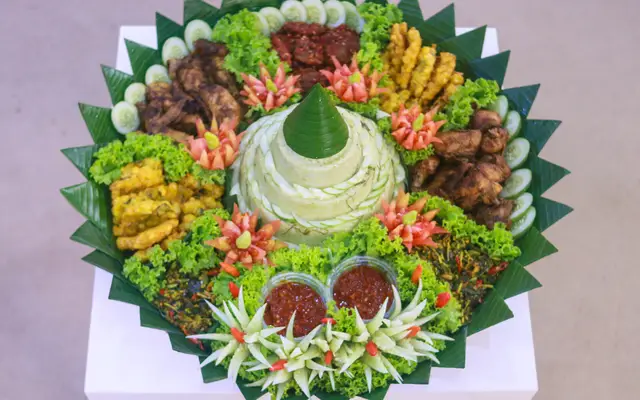
Indonesian Food Customs and Table Etiquette: What Visitors Should Know
Right hands, shared plates, tumpeng, buka puasa and tipping: the everyday food customs that make eating in Indonesia easier.