
Food & Travel · Researched guide — not a first-hand review
Where and What to Eat in Yogyakarta: Gudeg, Angkringan and Local Classics
Gudeg, sate klathak, bakmi Jawa, kopi joss and the angkringan: the local dishes and places that define eating in Yogyakarta.
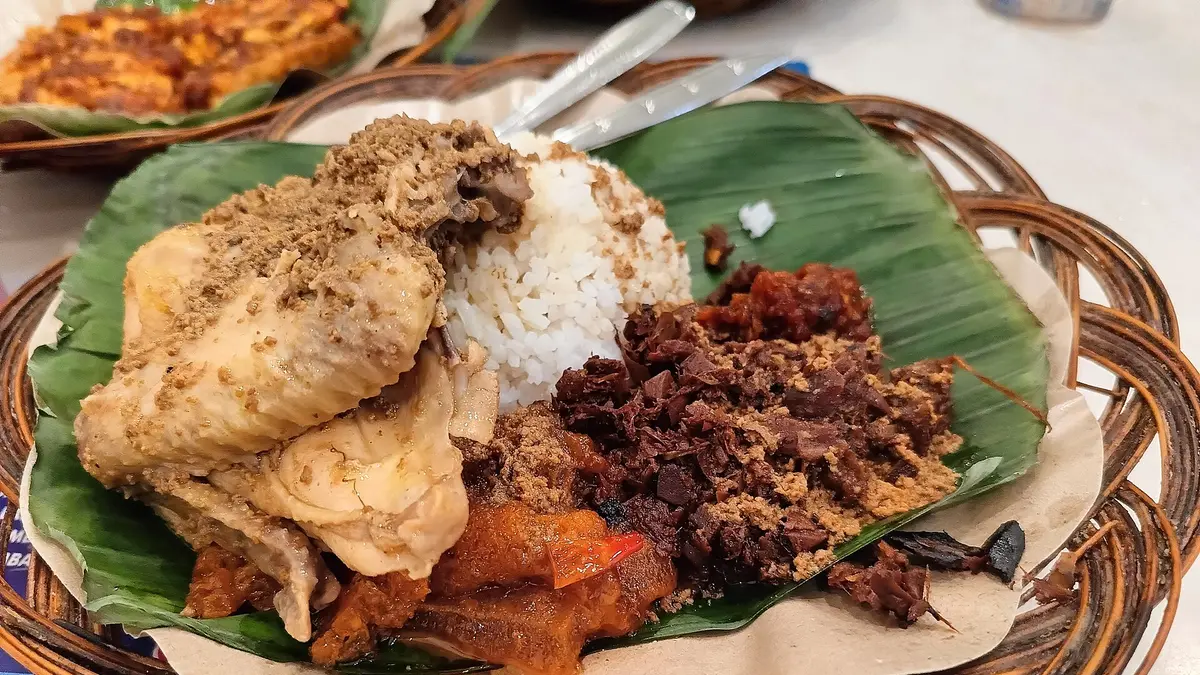
Yogyakarta, usually shortened to Jogja, is a city of students, artists and royal tradition, and its food reflects all three. Meals here tend to be sweet, gentle and cheap, built for long conversations rather than quick fuel. The city’s most famous dish takes hours to cook, its signature late-night culture revolves around a humble pushcart, and some of its best-loved eateries are in village kitchens on the edge of town. This guide explains the dishes that define Jogja, how and when to eat them, and a few long-established institutions that are frequently recommended by locals and visitors alike.
Gudeg: the dish everyone associates with Jogja
Gudeg is young jackfruit slow-cooked for hours in coconut milk and palm sugar, often with teak leaves that give it a reddish-brown colour. The result is soft, sweet and deeply savoury. It is rarely eaten alone; a typical plate includes rice, gudeg, sambal krecek (a spicy stew of beef or buffalo skin crackers), ayam opor (chicken in coconut sauce), a braised egg and tofu or tempeh.
Wet and dry styles
- Gudeg basah (wet) is saucier, with plenty of thick coconut gravy (areh) spooned over it.
- Gudeg kering (dry) is cooked longer until the liquid is almost gone. It keeps better, which is why it is the version sold in clay pots, tins and baskets as a souvenir.
Gudeg is eaten at any time of day. Some stalls open in the early morning for breakfast; others are known for serving late at night. If you prefer less sweetness, ask for extra sambal krecek to balance it. Families travelling with children often find gudeg an easy introduction to Javanese food, as the jackfruit itself is not spicy.
Where it is concentrated
The Wijilan area near the Kraton (the Sultan’s palace) is lined with gudeg restaurants, and it is a convenient place to compare styles. Gudeg Yu Djum is one of the best-known names in the city, with a history going back decades and several outlets today.
Sate klathak
Sate klathak comes from the Pleret and Imogiri area of Bantul, south of the city. Pieces of goat or lamb are seasoned mainly with salt, threaded onto iron rods (traditionally bicycle spokes, which conduct heat into the meat) and grilled over charcoal. It is served with rice and a bowl of gulai, a light curry broth. The minimal seasoning lets the meat speak for itself. Our satay guide compares it with other regional styles. Sate Klathak Pak Pong is one of the long-running names on the roads south of the city, and the area has many other stalls following the same tradition.
Bakmi Jawa
Bakmi Jawa is Javanese-style noodles, fried (goreng) or in broth (godhog), cooked one or two portions at a time in a wok over a charcoal brazier called an anglo. Typical ingredients include chicken, cabbage, a duck or chicken egg, garlic and candlenut. Because each order is cooked individually, it is slow food; expect to wait, especially in the evening when most bakmi stalls open. Magelangan, a mix of fried noodles and fried rice in one dish, is often on the same menu. Most bakmi Jawa uses chicken, but a few Chinese-Indonesian noodle shops in the city use pork, so ask if this matters to you.
Angkringan and kopi joss
The angkringan is Jogja’s great social institution: a pushcart or small stall, lit by a lamp at night, with a long bench where strangers sit shoulder to shoulder. On the cart you will find:
- Nasi kucing: literally “cat rice”, tiny packets of rice with a little sambal, tempeh or anchovies.
- Sate: skewers of quail eggs, chicken intestines, chicken skin and offal, which the seller can warm on the charcoal.
- Gorengan: fried tempeh, tofu and vegetable fritters.
- Hot drinks: wedang jahe (ginger), sweet tea and coffee, kept warm over the coals.
You help yourself, then tell the seller what you took when you pay. It is cheap, friendly and open late.
Kopi joss is the angkringan’s most famous drink: a glass of sweet black coffee with a glowing piece of charcoal dropped into it, which makes it hiss loudly. Sellers say it smooths the taste. The area north of Tugu railway station is especially associated with kopi joss, and Angkringan Kopi Joss Lik Man is often named as the place that made it famous. Let the charcoal settle and the drink cool before sipping, and do not let children handle the glass.
Village-style eateries
A newer favourite is the village eatery set in an old wooden house or rice-field setting, where diners help themselves from pots of home-style dishes such as sayur lodeh (vegetables in coconut milk), sambal, fried eggs, fried fish and tempeh, followed by fried bananas and coffee. Warung Kopi Klotok, on the road north towards Kaliurang and Mount Merapi, is the best-known example of this style and has inspired many similar places. They are especially busy at weekend breakfasts and lunches, so go early. The northern road also leads to Kaliurang, where jadah tempe, a sticky rice cake eaten with sweet tempeh, is a local snack.
Sweet treats and souvenirs
- Bakpia: small round pastries filled with mung bean paste, now also chocolate, cheese and other flavours. The Pathuk area is known for bakpia bakeries.
- Geplak: brightly coloured coconut and sugar sweets.
- Yangko: soft, chewy glutinous rice cakes, often dusted with flour.
Practical tips for eating in Jogja
- Eat on Jogja time. Many stalls are evening or late-night operations, while gudeg and village eateries can be busiest early. Plan around both.
- Lesehan seating. Some evening stalls, particularly in the Malioboro area, offer lesehan seating on mats. Remove shoes if others have, and confirm prices before ordering at tourist-heavy spots.
- Sweetness. Jogja cooking leans sweet. Sambal and fried dishes help balance a meal.
- Getting around. Traffic is lighter than in Jakarta, but popular areas jam on weekends and holidays. Ride-hailing apps work well.
Our editorial team has not visited the places named in this guide. Restaurants move, change owners, open new branches and close, so check current status and location on a map app before you go.
If you have time for a sunrise trip into the hills south of the city, our guide to Yogyakarta’s hilltop viewpoints includes food stops in Bantul. For breakfast dishes found across Java, see our Indonesian breakfast guide, and to combine Jogja with Solo and Semarang, our food travel planning guide.
Frequently asked questions
What is the most famous food in Yogyakarta?
Gudeg, the sweet young jackfruit stew, is the dish most closely associated with the city, followed by bakmi Jawa, sate klathak and the angkringan snacks.
Is food in Yogyakarta spicy?
Most dishes are sweet and mild. The heat comes from sambal and from sambal krecek in a gudeg plate, so it is easy to control.
How do you drink kopi joss?
Order it, wait for the hissing to stop and the charcoal to settle at the bottom, then let the glass cool a little before sipping. Leave the charcoal in the glass when you finish.
Keep reading

Yogyakarta's Hilltop Viewpoints: Mangunan, Dlingo and What to Eat Nearby
Sunrise viewpoints and pine forests south of Yogyakarta, how to visit safely, and the warung food worth stopping for on the way.
Sate Guide: Indonesian Satay Styles, Sauces and How to Order
Peanut sauce is only the start. Meet the regional styles of Indonesian sate and learn how to order them like a local.
Planning a Food Trip in Indonesia: Routes, Seasons and Stomach Safety
Three eating routes, when to go, how to get around and how to keep your stomach on side for a food-focused trip in Indonesia.