
Food & Travel · Guide
Bandung Food Guide: Sundanese Dishes, Street Snacks and Lembang Trips
Sundanese cooking, tapioca snacks, dessert cafés and a Lembang day trip: how to eat well in Bandung and dodge the weekend traffic.
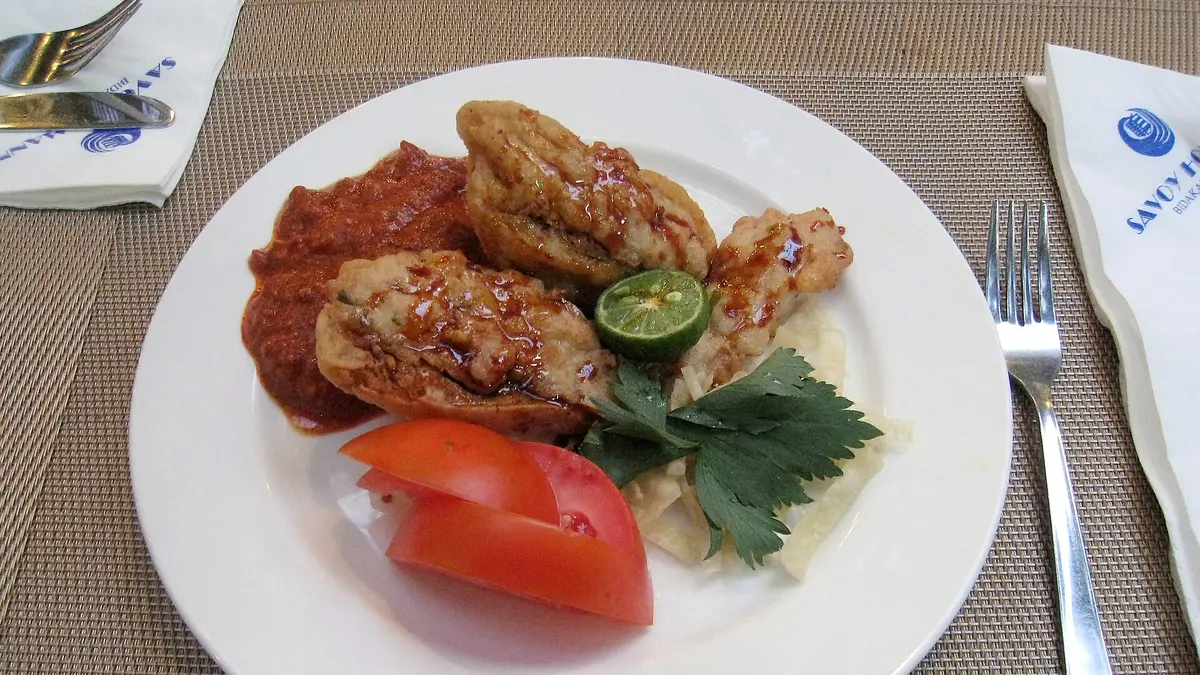
Bandung has long been Jakarta’s favourite weekend escape, and food is a big part of the reason. The city sits in a highland basin surrounded by volcanoes, which gives it cooler evenings, a strong café culture and easy access to tea plantations and dairy farms. It is also the heart of Sundanese cuisine, the cooking of West Java, known for fresh vegetables, bright sambal and simple grilled and fried dishes. On top of that, Bandung has a reputation as a snack laboratory, where inventive street food and desserts spread to the rest of the country. This guide covers what to eat, how Lembang fits in, and how to avoid spending your weekend in traffic.
Sundanese cooking in brief
Sundanese food is often described as fresh and direct. Where Central Javanese cooking leans sweet and Padang cooking leans rich, Sundanese meals focus on rice, raw or lightly blanched vegetables, sambal and protein that has been fried, grilled or steamed in banana leaf. Our overview of regional Indonesian dishes puts it in a national context.
Dishes to look for
- Nasi timbel: rice wrapped and pressed in banana leaf, served with fried chicken or fish, tofu, tempeh, salted fish, lalapan and sambal.
- Lalapan: a plate of raw vegetables and leaves, such as cucumber, cabbage, basil, long beans and small aubergines, eaten with sambal.
- Sambal terasi and sambal dadak: chilli relishes, the second made fresh to order. Our sambal guide explains the styles.
- Pepes: fish, tofu, mushrooms or chicken seasoned with spice paste, wrapped in banana leaf and steamed or grilled.
- Karedok: raw vegetables in a peanut and kencur dressing, a cousin of gado-gado.
- Ikan mas and gurame: freshwater fish, often deep-fried until crisp or grilled, common at larger Sundanese restaurants with fish ponds or garden seating.
- Sayur asem: a light, tangy tamarind vegetable soup that balances fried dishes.
- Nasi liwet: rice cooked with aromatics and salted fish, often served on banana leaves for groups to share.
Sundanese restaurants range from small warung to large garden eateries with seating in open pavilions called saung. Many encourage eating with your hands, with a bowl of water provided for rinsing.
Street snacks: the tapioca family and friends
Bandung’s snack culture is famous across Indonesia, and many of the best-known snacks rely on aci, tapioca starch, which gives them their chewy texture.
Cireng
Cireng takes its name from “aci digoreng”, fried tapioca. Tapioca dough is shaped into flat pieces and fried until crisp outside and chewy inside, then eaten with a sweet-spicy dipping sauce or rujak-style sauce. Modern versions add fillings such as chicken, cheese or spicy beef, and cafés sometimes serve upmarket cireng with their own house sambal. Eat it hot; it toughens as it cools.
Cilok, cimol and seblak
Cilok are chewy tapioca balls on skewers, served with peanut sauce. Cimol are small fried tapioca balls dusted with seasoning powder. Seblak, a spicy, garlicky dish of softened crackers cooked with eggs, sausages, noodles and vegetables, has become a nationwide trend from its West Java roots. All are cheap, filling and very popular with students.
Batagor and baso tahu
Batagor, short for bakso tahu goreng, is fried fish dumpling and tofu served with peanut sauce, sweet soy and lime. Its steamed counterpart, baso tahu or siomay Bandung, adds cabbage, potato and egg. We explain both in detail in our baso tahu and siomay Bandung guide. Note the peanut sauce if anyone in your group has a peanut allergy.
Surabi
Surabi (also spelled serabi) is a small rice-flour pancake cooked in a clay pan over charcoal, traditionally topped with oncom (a fermented soybean or peanut-based cake) for a savoury version or with kinca, a palm sugar syrup, for a sweet one. Newer stalls offer toppings from cheese and chocolate to egg and sausage. It differs from the thinner, coconut-rich serabi of Solo; our serabi Solo guide explains the regional differences.
Other classics
Look for colenak (roasted fermented cassava with palm sugar and coconut sauce), peuyeum (sweet fermented cassava sold in bunches at roadside stalls), and warm drinks such as bandrek (ginger and spice) and bajigur (coconut milk with palm sugar), both welcome on chilly evenings.
Cafés and dessert culture
Bandung’s cool weather and large student population have fed a café scene that takes design seriously. Areas such as Dago in the north and the colonial streets around Braga in the centre are known for coffee shops and dessert cafés. Ice cream cafés are particularly popular, from shops serving old-fashioned scoops and sundaes to modern places offering gelato in local flavours such as palm sugar, avocado, durian, pandan or black sticky rice. Some cafés pair desserts with savoury snacks like cireng or rich toasties, making them a full afternoon stop.
As with any trend-driven scene, cafés open and close quickly. Use a map app to check recent activity before setting out, and treat social media photos as an idea of the style rather than a guarantee of the current menu.
Lembang day trips
Lembang is a highland town north of Bandung, on the road towards the Tangkuban Perahu volcano. The area is known for dairy farming, so fresh milk, yoghurt and milk-based snacks are common souvenirs, along with strawberries picked at local farms and vegetables from the hillside fields.
The Lembang floating market
The Lembang floating market is a leisure park built around a lake, where food stalls operate from boats moored along the water’s edge. Visitors can buy snacks such as grilled sausages, satay, bakso, surabi and traditional sweets, then eat by the water. The park also includes family attractions and gardens. It is a constructed attraction rather than a historic river market like those in Banjarmasin, which we describe in our traditional markets guide. Our editorial team has not visited it for this guide; check current status and arrangements on a map app or its official channels before you go.
Mountain-view cafés
The road up to Lembang and the hills to the north-east of the city are lined with cafés and restaurants with valley views, many built on terraces with outdoor seating. The views are best on clear mornings; afternoon cloud and rain are common, especially in the wet season. Bring a light jacket, as evenings can be surprisingly cool.
Beating the traffic
Bandung’s popularity is its biggest drawback. On weekends and long holidays, traffic from Jakarta builds on Friday evening and heads home on Sunday afternoon, and the climb to Lembang can slow to a crawl.
- Travel on weekdays if you can.
- Leave Jakarta early on Saturday morning rather than Friday night.
- Consider the train. The intercity service arrives in central Bandung, while the high-speed line stops outside the centre with onward connections.
- Go up to Lembang early in the morning and come down before mid-afternoon.
- Within the city, ride-hailing motorbikes are often faster than cars for short hops.
For a longer itinerary that links Bandung with Jakarta and Central Java, see our food travel planning guide.
Frequently asked questions
What food is Bandung best known for?
Sundanese rice meals with lalapan and sambal, and snacks such as batagor, siomay, cireng, cilok, seblak and surabi.
Is the Lembang floating market a real traditional market?
It is a purpose-built leisure park with food sold from boats, rather than a historic trading market. It is popular with families, especially at weekends.
Is Sundanese food spicy?
The dishes themselves are often mild; the heat comes from the sambal served alongside, so you can control it.
Keep reading
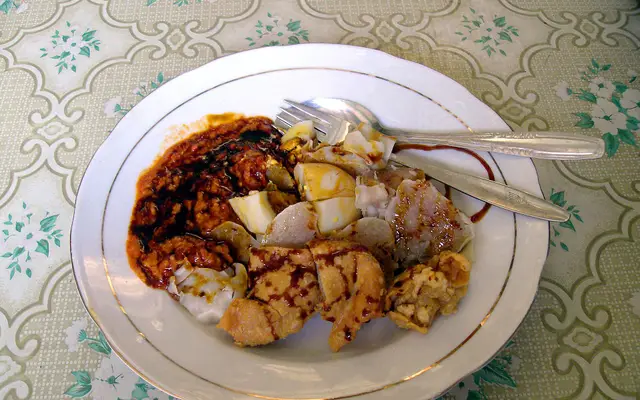
Baso Tahu and Siomay Bandung: What They Are and How to Order Them
Steamed fish-stuffed tofu, dumplings and peanut sauce: a clear guide to Bandung's baso tahu and siomay, and how to order them.
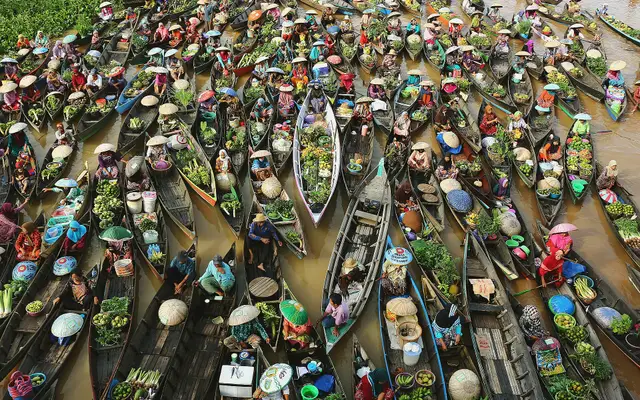
Traditional Food Markets in Indonesia: A Practical Guide to the Pasar
How a pasar is laid out, what to buy, how to bargain kindly and stay healthy, plus night markets and floating markets.
Planning a Food Trip in Indonesia: Routes, Seasons and Stomach Safety
Three eating routes, when to go, how to get around and how to keep your stomach on side for a food-focused trip in Indonesia.