
Indonesian Food · Guide
Regional Indonesian Dishes to Try, From Aceh to Manado
Indonesia is many cuisines in one. Here are the regional dishes worth seeking out, and what makes each region taste different.
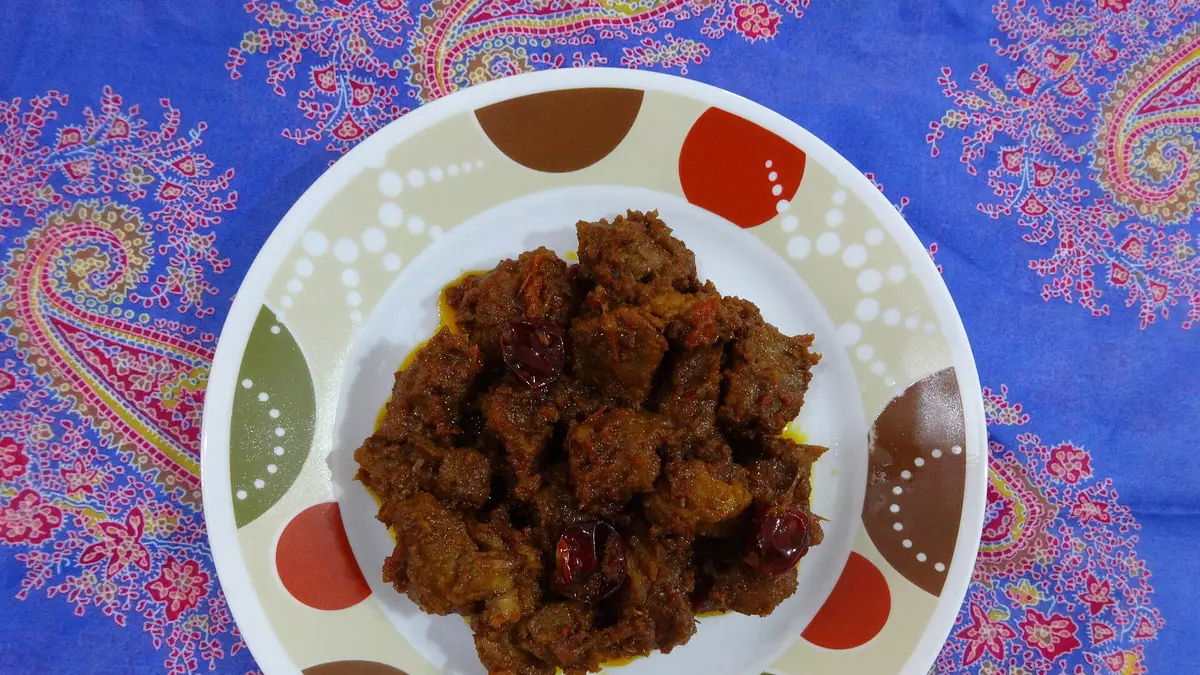
Ask someone to describe Indonesian food and they may name nasi goreng, satay and peanut sauce. Those are real, but they are only the most portable layer of a country made up of thousands of islands and hundreds of ethnic groups, each with its own cooking. A Minangkabau kitchen in West Sumatra relies on coconut milk and long-cooked spice; a Sundanese table in West Java leans on raw vegetables and fresh sambal; cooks in Manado reach for chillies, lime and fragrant leaves with a heavy hand. This guide takes eight regional traditions you can explore, many of them easy to find in Jakarta, and picks out the dishes that best show what each one is about.
At a glance
| Region | Flavour signature | Start with |
|---|---|---|
| Padang (West Sumatra) | Coconut milk, chilli, long cooking | Rendang, gulai, dendeng balado |
| Sundanese (West Java) | Fresh, herbal, raw vegetables | Nasi timbel, lalapan, pepes |
| Javanese (Central and East Java) | Sweet-savoury, palm sugar, keluak | Gudeg, rawon, rujak cingur |
| Balinese | Dense spice pastes, grilling | Ayam betutu, sate lilit, lawar |
| Manado (North Sulawesi) | Very hot, citrusy, herby | Tinutuan, rica-rica, woku |
| Makassar (South Sulawesi) | Rich beef soups, peanuts | Coto Makassar, konro, pisang epe |
| Aceh | Curry spices, Indian Ocean trade | Mie Aceh, kuah beulangong, ayam tangkap |
| Betawi (Jakarta) | Mixed influences, coconut and milk broths | Soto Betawi, kerak telor, nasi uduk |
Padang and Minangkabau cooking
Minangkabau food, usually sold as “Padang food”, is the regional cuisine most Indonesians outside Sumatra know best, because Padang restaurants operate in almost every town. Its backbone is bumbu (spice paste) cooked slowly with coconut milk. Rendang is beef simmered until the sauce reduces to a dark, clinging paste; gulai is the saucier, golden version of the same idea, made with chicken, fish head, offal or vegetables. Dendeng balado, thin crisp beef under a chilli topping, shows the region’s love of heat. Our dedicated guide to gulai and Minang cuisine explains the dishes and how to order at a Padang restaurant.
Sundanese cooking from West Java
Sundanese food is often described as the freshest-tasting in Indonesia. Meals are built around rice, a fried or grilled protein, and lalapan: raw or lightly blanched vegetables and leaves such as cucumber, cabbage, basil and long beans, eaten with sambal terasi. Nasi timbel is rice wrapped and steamed in banana leaf, served with fried chicken, salted fish, tofu and tempeh. Pepes cooks fish, tofu or mushrooms in seasoned banana-leaf parcels, and karedok is a raw-vegetable salad with a peanut dressing. Bandung is a natural starting point; see our Bandung food guide.
Javanese cooking
Central Javanese food has a reputation for sweetness, thanks to generous use of palm sugar and kecap manis. Gudeg, the signature dish of Yogyakarta, is young jackfruit stewed for hours with coconut milk and palm sugar until it turns soft and brown, served with chicken, egg and a spicy stew of beef skin called krecek. East Javanese food tends to be saltier and punchier. Rawon is a beef soup made almost black by keluak (kluwek), a fermented nut with an earthy, slightly chocolatey taste. Rujak cingur, from Surabaya, combines vegetables, fruit and sliced cow’s snout under a thick shrimp-paste and peanut sauce. If you are heading to Yogyakarta, our page on where and what to eat in Jogja goes further.
Balinese cooking
Bali’s majority Hindu population gives its food a different profile from most of Indonesia, and pork is widely eaten. Babi guling, spit-roasted suckling pig rubbed with spice paste, is the island’s best-known dish. For those who avoid pork, ayam betutu (chicken or duck rubbed with a dense spice paste and slow-cooked) and sate lilit (minced fish or meat wrapped around lemongrass or flat bamboo sticks) are good places to start. Lawar is a chopped mix of vegetables, coconut and spices with meat, and some versions contain pork or fresh blood, so ask if that matters to you. Balinese mixed rice plates, topped with sambal matah, bring several of these together; our guide to nasi ayam Kedewatan and Balinese mixed rice explains the components and where halal options fit.
Manado and Minahasan cooking
Food from Manado and the surrounding Minahasa region of North Sulawesi is famously hot. Rica-rica is a fiery chilli, shallot and ginger treatment for chicken, fish or other meats. Woku cooks fish or chicken with turmeric, lemongrass, lime leaves and plenty of fresh herbs, giving a bright, aromatic heat. Tinutuan, also called bubur Manado, is a gentler rice porridge packed with pumpkin, sweet potato, corn and greens, often eaten for breakfast with smoked fish and sambal. Cakalang fufu (smoked skipjack tuna) turns up in many dishes. Minahasa has a large Christian community and pork dishes are common, so check menus if you eat halal.
Makassar and South Sulawesi
Makassar is known for hearty beef soups. Coto Makassar is a thick, peanut-enriched broth of beef and offal, eaten with ketupat or buras (rice cakes wrapped in leaves). Konro is beef rib soup darkened with keluak, and is also served grilled as konro bakar. Pallubasa is similar to coto, often finished with toasted grated coconut. For something sweet, pisang epe is banana pressed flat, grilled and doused in palm sugar syrup, and es pisang ijo wraps banana in green dough under a sweet sauce.
Aceh
At the northern tip of Sumatra, Aceh’s long history as a trading port shows in its cooking, which uses curry-style spices such as cumin, cardamom and fennel alongside local herbs. Mie Aceh is thick yellow noodles in a rich, spiced sauce, served wet (kuah) or fried, with beef, goat or seafood. Kuah beulangong is a meat curry traditionally cooked in large pots for communal events. Ayam tangkap is fried chicken buried under a tangle of crisp-fried curry leaves, pandan and chillies. Aceh also has a strong coffee culture, with coffee often prepared by pouring it back and forth through a cloth filter.
Betawi: Jakarta’s own cooking
Betawi food, the cuisine of Jakarta’s native community, absorbs influences from Chinese, Arab, Indian, Dutch and neighbouring Sundanese cooking. Soto Betawi is beef and offal in a creamy broth enriched with coconut milk or milk. Kerak telor is a crisp omelette of glutinous rice, egg and toasted coconut, cooked over charcoal by street vendors. Nasi uduk, coconut rice with fried chicken and sambal, is a breakfast staple. Look out too for gabus pucung (snakehead fish in keluak soup) and asinan Betawi (pickled vegetables in a sweet, spicy sauce). The Jakarta street food guide covers many of these.
How to explore regional food without travelling far
Jakarta draws people from every province, so many regional cuisines are available in the capital. A few practical tips:
- Restaurant names often include the region or a key dish, such as “Rumah Makan Padang”, “Coto Makassar” or “Ayam Betutu”, which tells you what to expect.
- Regional food festivals and mall food halls sometimes bring together vendors from several provinces.
- Heat levels vary a lot between regions. Manado and Padang food is often hotter than Javanese food, so ask for less chilli if needed.
- If you plan to travel, our guide to planning a food trip in Indonesia suggests routes and timing.
Frequently asked questions
Which regional Indonesian food is the spiciest?
Manado and Padang cooking are commonly considered among the hottest, though individual dishes and cooks vary widely.
Which regions are best for halal food?
Most of Indonesia is majority Muslim and food is halal by default in many places, including Aceh, West Sumatra, Java and South Sulawesi. In Bali and parts of North Sulawesi pork is common, so look for halal signage or ask.
Where should a first-timer start?
Padang food is an easy introduction because it is widely available and lets you see many dishes at once. Sundanese food is a good choice for anyone who prefers fresher, lighter flavours.
Keep reading
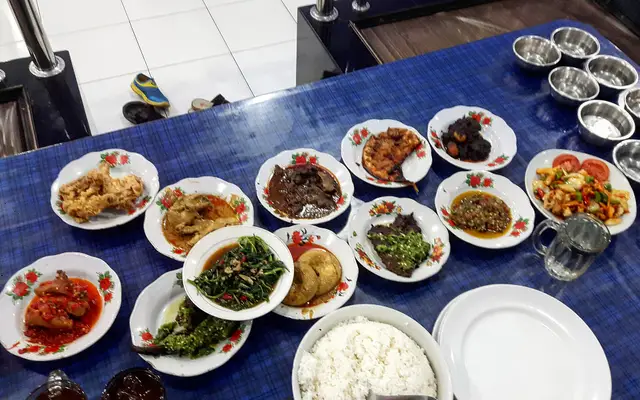
Gulai and Minang Cuisine: Rendang, Kalio and How to Order Nasi Padang
Gulai, kalio and rendang explained, plus a practical guide to ordering at a Padang restaurant without confusion.
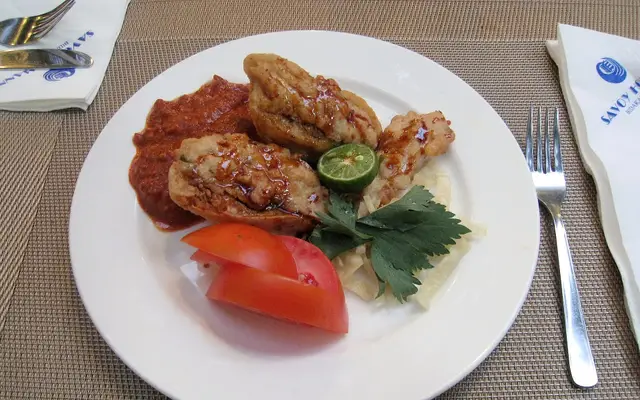
Bandung Food Guide: Sundanese Dishes, Street Snacks and Lembang Trips
Sundanese cooking, tapioca snacks, dessert cafés and a Lembang day trip: how to eat well in Bandung and dodge the weekend traffic.
Planning a Food Trip in Indonesia: Routes, Seasons and Stomach Safety
Three eating routes, when to go, how to get around and how to keep your stomach on side for a food-focused trip in Indonesia.