
Food & Travel · Guide
Traditional Food Markets in Indonesia: A Practical Guide to the Pasar
How a pasar is laid out, what to buy, how to bargain kindly and stay healthy, plus night markets and floating markets.
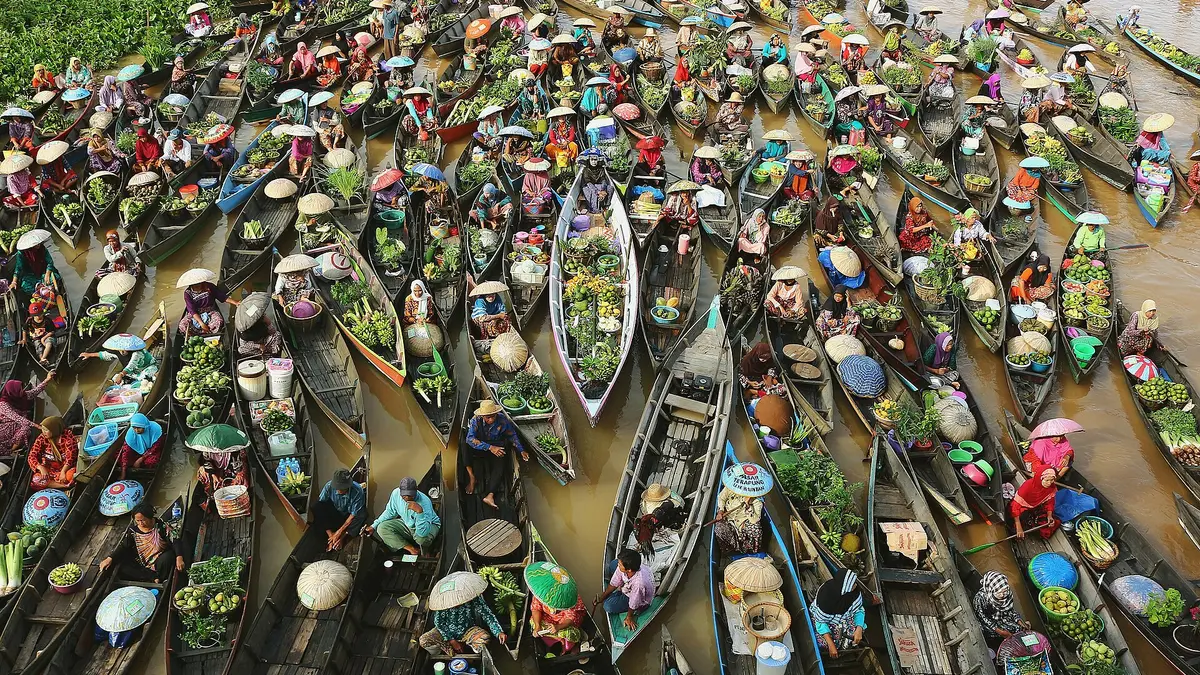
The pasar is where most Indonesian kitchens begin. Long before supermarkets and grocery apps arrived, households bought their chillies, shallots, tempeh and fish at a traditional market, and in much of the country they still do. A first visit can feel chaotic, yet markets follow a clear logic once you know it. This guide explains how a typical pasar is organised, what is worth buying, how to bargain without causing offence and how to keep your stomach happy, then looks at night markets and the floating markets that have become destinations in their own right.
How a traditional market is organised
Most towns have at least one pasar tradisional, usually managed by the local government and housed in a large covered building, with informal stalls spilling onto the surrounding streets. Inside, traders rent small fixed spaces and tend to cluster by what they sell.
The wet section
The pasar basah, or wet area, is where you find fish, chicken, beef and often goat. Fish are commonly sold whole and cleaned to order, and poultry may be prepared on site. Floors here stay wet all morning, so closed shoes with some grip make life easier.
Produce, herbs and spice pastes
Vegetable sellers stack chillies, shallots, garlic, long beans, kangkung (water spinach), cabbage and tomatoes in neat heaps. Close by you will find fresh turmeric, galangal, ginger, lemongrass, kaffir lime leaves and salam leaves, the backbone of the Indonesian pantry. Many markets also have a stall selling bumbu jadi, ready-ground spice pastes for specific dishes such as rendang, soto or opor, scooped out by the spoonful.
Dry goods
Rice, dried anchovies (teri), salted fish, palm sugar, terasi (shrimp paste), krupuk, dried noodles and cooking oil usually sit in their own aisles.
Breakfast at the gate
Around the entrances, especially at first light, vendors sell ready-to-eat food to traders and shoppers: nasi uduk, lontong sayur, bubur ayam and trays of kue basah, the soft steamed and boiled cakes eaten as snacks. A market at dawn is one of the best places to see what people actually eat in the morning, and our Indonesian breakfast guide explains the main dishes you will meet.
When to go
Markets are freshest and busiest early. Many traders set up well before sunrise, and the best fish and greens can be gone by mid-morning. By early afternoon a lot of stalls have packed away, although the surrounding shops carry on. For a first visit, aim for an early weekday morning, when there is plenty to see but the crowds are manageable.
What to buy and how quantities work
Markets sell by the kilo, by the ons (100 grams in everyday Indonesian usage), by the ikat (bunch), by the biji (piece) or by the tumpuk, a small pre-arranged heap with a set price. Asking for “setengah kilo” (half a kilo) or “satu ikat” (one bunch) is understood everywhere.
| Item | What to look for | Tip |
|---|---|---|
| Chillies | Glossy, firm, no soft spots | Buy small amounts; they spoil quickly in heat |
| Tempeh | Firm, evenly white, mild mushroom smell | Use within a day or two, or refrigerate |
| Tofu | Tahu putih (white) or tahu kuning (turmeric-coloured) | Keep in water and refrigerate |
| Whole fish | Clear eyes, red gills, firm flesh | Ask “tolong dibersihkan” to have it cleaned |
| Kue basah | Made that morning, still soft | Eat the same day |
| Palm sugar | Hard, dark blocks of gula jawa or gula aren | Keeps for months in a dry jar |
| Fruit | Whatever is in season locally | Ask the seller to choose ripe ones for today |
Bargaining and market etiquette
Bargaining (tawar-menawar) is part of market life, but it is not expected for everything. Everyday staples such as eggs, tofu and vegetables are generally sold at close to fixed prices that are already low, and pushing hard over them comes across as petty. There is more room on larger quantities, crafts, textiles and souvenirs. A polite approach works best: ask “Berapa?” (how much?), and if it seems high, try a friendly “Bisa kurang?” (can it be a little less?). Smile, and accept the answer with good grace if the trader holds firm. Buying several things from the same stall is the most natural way to earn a small discount or a free handful of chillies.
A few other habits make you a welcome customer:
- Pay and receive change with your right hand.
- Carry small notes. Early in the morning, traders may struggle to break large ones.
- Bring your own shopping bag. Jakarta restricted single-use plastic bags in markets in 2020, and many other cities discourage them too.
- Ask before photographing a trader up close; most say yes, and a quick request is appreciated.
- Avoid squeezing every fruit. Point, or ask the seller to pick for you: “Pilihkan yang bagus, ya.”
Most general markets in Muslim-majority areas do not sell pork. In Chinese-Indonesian neighbourhoods, and in regions such as Bali, North Sulawesi and the Batak highlands of North Sumatra, you will find it, usually in its own section. Jakarta’s old Chinatown is a good example of a market area where both halal and non-halal food sit side by side; see our Glodok and Petak Sembilan guide.
Hygiene and staying well
Markets are working spaces in a hot climate, so a little care goes a long way.
- Choose cooked food that is served hot and made in front of you, from stalls with steady queues.
- Favour fruit you peel yourself.
- Wash produce thoroughly once home, and soak leafy greens before rinsing.
- Keep raw meat and fish apart from everything else, and use an insulated bag if the trip home is long.
- Pack wet wipes or hand sanitiser, as washing facilities can be basic.
If you bring children, hold hands through the wet section, keep them clear of chopping blocks and cleavers, watch for motorbikes inside the lanes, and steer them away from the hot oil at gorengan stalls.
Night markets
The pasar malam takes two forms. Some are permanent food streets that come alive after dark; others are travelling fairs that set up in a neighbourhood for a few weeks with small rides, games and rows of snack stalls. Expect martabak manis and martabak telur, sate, grilled corn, cilok and fried snacks, plus plenty of sweets covered in our Indonesian desserts guide.
Floating markets
In Banjarmasin, South Kalimantan, river trading has a long history. At floating markets such as Lok Baintan, traders, many of them women, sell produce, fish and snacks from small wooden boats in the early morning, and visitors usually join by chartering a motorised riverboat before dawn. As roads and land markets have grown, river trade has become smaller than it once was, so go with realistic expectations and treat it as a working market rather than a show.
Lembang, in the cool highlands north of Bandung, has a very different kind of floating market: a purpose-built leisure park where food stalls operate from boats moored around a lake. It is closer to a family attraction than a traditional pasar, and it gets crowded at weekends. Our Bandung food guide covers it alongside the rest of a Lembang day trip.
Other long-established markets often recommended to food-minded travellers include Pasar Senen in Jakarta, known for its pre-dawn trade in traditional cakes, Pasar Beringharjo in Yogyakarta and Pasar Gede in Solo. Our editorial team has not visited these markets for this guide. Layouts, trading times and building works change, so check current details on a map app before you go.
Frequently asked questions
Is it safe to eat at an Indonesian traditional market?
Generally yes, if you are sensible. Eat freshly cooked food served hot, pick busy stalls, peel your own fruit and keep your hands clean. If you have a sensitive stomach, start with cooked dishes and work up to raw garnishes and iced drinks.
Do I need to speak Indonesian?
It helps but is not essential. Numbers, “berapa?” and “terima kasih” (thank you) cover most exchanges, and traders are used to pointing and calculators.
Can I pay by card or QR code?
Cash is still the default at most stalls. QR payments are increasingly common in cities, but small traders may not accept them, so carry enough small notes for the morning.
Keep reading
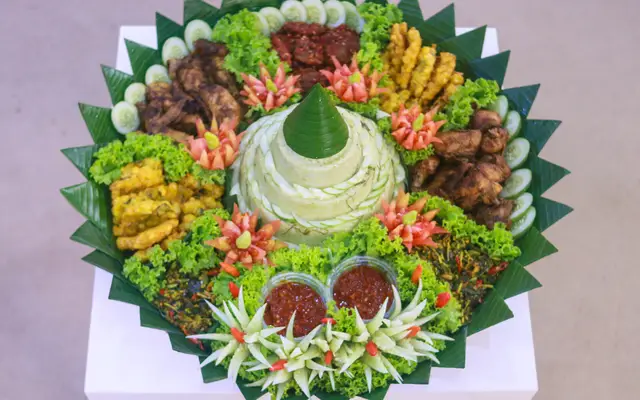
Indonesian Food Customs and Table Etiquette: What Visitors Should Know
Right hands, shared plates, tumpeng, buka puasa and tipping: the everyday food customs that make eating in Indonesia easier.
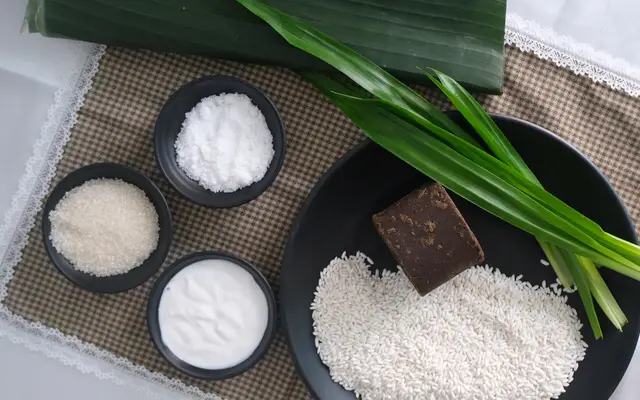
Indonesian Pantry Essentials: What to Stock and How to Substitute
The sauces, aromatics and staples behind Indonesian home cooking, with practical substitutes and storage advice.
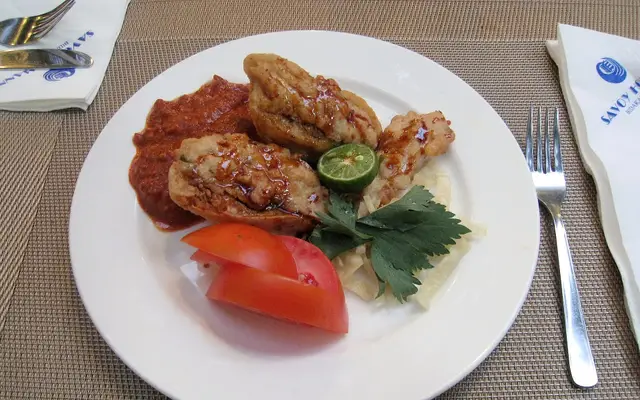
Bandung Food Guide: Sundanese Dishes, Street Snacks and Lembang Trips
Sundanese cooking, tapioca snacks, dessert cafés and a Lembang day trip: how to eat well in Bandung and dodge the weekend traffic.