
Cooking Guides · Guide
Indonesian Pantry Essentials: What to Stock and How to Substitute
The sauces, aromatics and staples behind Indonesian home cooking, with practical substitutes and storage advice.
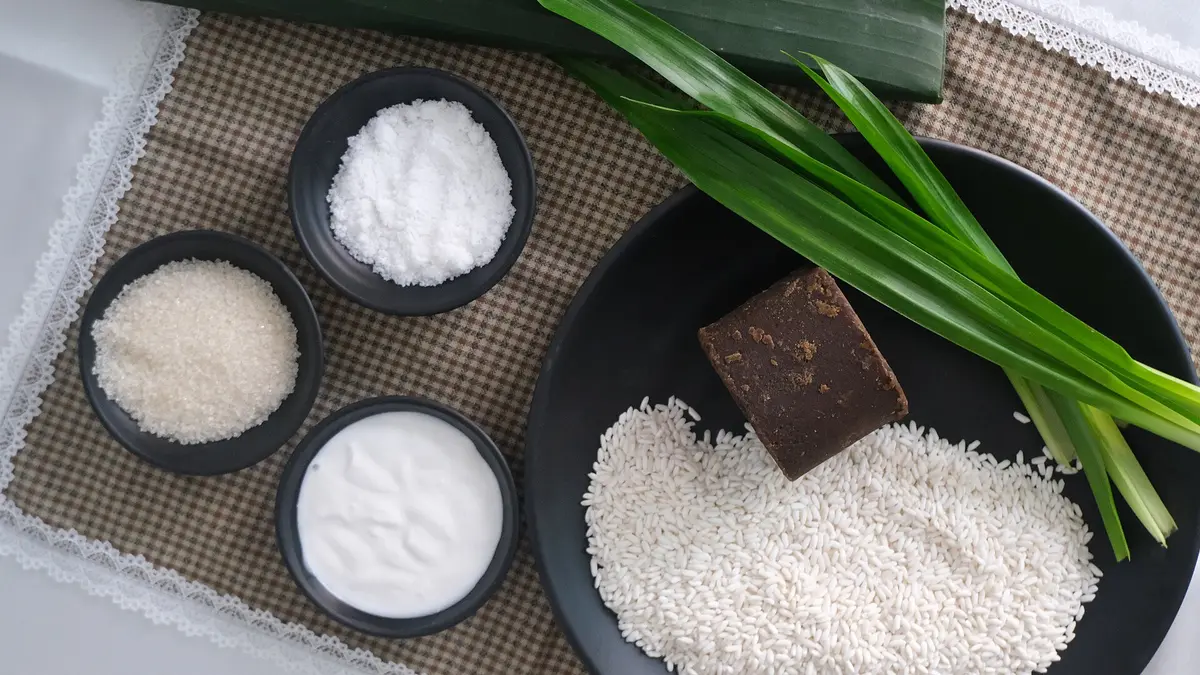
Indonesian home cooking relies on a fairly small set of ingredients used in many combinations. Once you have shallots, garlic, chillies, a bottle of sweet soy sauce, a block of shrimp paste and a few fresh aromatics, a large share of everyday Indonesian dishes becomes possible. This guide walks through the essentials, explains what each one does, suggests substitutes for cooks outside Indonesia, and covers how to store everything so it lasts.
The core flavour builders
Shallots, garlic and chillies
These three form the base of most spice pastes. Indonesian shallots (bawang merah) are small, purple and sweeter than many Western onions; banana shallots or small red onions work abroad, though you may need fewer. Chillies come in two main types: long red chillies (cabai merah, including the curly cabai keriting) for colour and moderate heat, and small bird’s-eye chillies (cabai rawit) for sharp heat. Removing seeds and membranes from long chillies tames them without losing colour.
Kecap manis
Sweet soy sauce, thick and syrupy with palm sugar, is the signature condiment of Javanese cooking and the backbone of nasi goreng, ayam kecap and many marinades. Indonesian brands are widely sold in Asian grocers. In a pinch, simmer regular soy sauce with an equal or slightly smaller amount of palm or dark brown sugar until it thickens a little. Our nasi goreng recipe shows how much difference good kecap manis makes.
Terasi
Terasi is fermented shrimp paste pressed into blocks. It smells powerful raw, but toasted and ground into a paste it adds deep savoury flavour to sambal and stir-fries. Toast a small piece in a dry pan or wrapped in foil before use, with a window open. Malaysian belacan is very similar; Thai shrimp paste is softer but works in smaller amounts.
Gula jawa and gula aren
Gula jawa is coconut palm sugar and gula aren is sugar from the aren (sugar) palm; both are sold in cakes or cylinders. They bring a caramel, slightly smoky sweetness to sauces, sambal and desserts. Shave or chop them finely before use. Thai palm sugar or dark muscovado are reasonable substitutes.
Candlenuts (kemiri)
Candlenuts are waxy, oily nuts that thicken and enrich spice pastes. They should always be cooked, never eaten raw. Toast them lightly before grinding. Macadamia nuts are the usual substitute abroad, and raw unsalted cashews also work. Anyone cooking for people with tree-nut allergies should be aware that candlenuts and their substitutes are nuts.
Tamarind (asam jawa)
Tamarind pulp adds sourness to sayur asem, some sambal and marinades. Soak a small piece in warm water, squeeze and strain. Ready-made tamarind concentrate is stronger, so start with less.
Coconut milk (santan)
Fresh santan is pressed from grated coconut in Indonesian markets, but cartons and tins are perfectly good. Stir often once it is in the pan and do not boil it hard, or it may split.
Fresh aromatics
Galangal (lengkuas)
Galangal looks like ginger but is firmer, with a piney, citrus fragrance. It is usually sliced and bruised and added whole to soups and curries, or ground into pastes. Frozen galangal from Asian grocers is a good back-up; ginger is not a true substitute but is better than nothing.
Lemongrass (serai)
Use the bottom pale section. Bruise it with the back of a knife and tie it in a knot for soups and curries, or slice it very finely for pastes. It freezes well whole.
Turmeric, ginger and kencur
Fresh turmeric (kunyit) gives yellow colour and an earthy flavour; one teaspoon of ground turmeric roughly replaces a thumb-sized piece. Turmeric stains hands and boards, so use gloves or a dedicated board. Kencur, or aromatic ginger, has a camphor-like scent used in urap, pecel sauce and some drinks; it is hard to substitute, so leave it out rather than replacing it with ginger.
Salam leaves
Salam, often called Indonesian bay leaf, has a mild, earthy aroma. It is a different plant from European bay laurel. Dried salam leaves are sold online and in some Asian shops. If you cannot find them, leave them out; some cooks use a single bay leaf, but the flavour is different.
Kaffir lime leaves (daun jeruk)
These double leaves add a bright citrus scent to soups, curries and sambal. Tear them or remove the central rib and slice finely. They freeze very well.
Proteins that keep
Tempeh and tofu
Tempeh, made from fermented soybeans, is an Indonesian invention and a daily staple. It is now made in many countries and sold chilled or frozen. Firm tofu (tahu) is fried, stuffed or added to soups. Both are useful for vegetarian cooking.
Dried anchovies and dried shrimp
Ikan teri (small dried anchovies) are fried crisp and mixed with peanuts or sambal. Ebi, dried shrimp, adds savoury depth to fillings and stir-fries. Both keep for months in a sealed container.
Finishing touches
Bawang goreng (crisp fried shallots), krupuk (crackers), kecap asin (salty soy sauce), sweet chilli sauce, and jars of sambal are the finishing layer of many Indonesian meals. Our sambal guide covers the main styles and how to keep homemade sambal.
Substitutes at a glance
| Indonesian ingredient | Good substitute abroad | Notes |
|---|---|---|
| Kecap manis | Soy sauce simmered with palm or brown sugar | Thicken lightly |
| Terasi | Belacan or Thai shrimp paste | Use a little less of the soft kind |
| Gula jawa | Thai palm sugar, dark muscovado | Adjust to taste |
| Candlenut | Macadamia or raw cashew | Nut allergy caution |
| Galangal | Frozen galangal | Ginger only as a last resort |
| Salam leaf | Leave out | Bay laurel tastes different |
| Kaffir lime leaf | Frozen leaves, or a little lime zest | Zest is weaker |
| Bawang merah | Banana shallots, small red onions | Use fewer if large |
Storage
- Dry goods such as palm sugar, dried shrimp, teri and candlenuts keep best in airtight jars in a cool, dark cupboard. Candlenuts can turn rancid, so in hot climates keep them in the fridge or freezer.
- Terasi should be double-wrapped and kept in a sealed jar, or its smell will reach everything nearby.
- Kecap manis is fine in the cupboard; it thickens a little over time.
- Fresh aromatics last longer frozen. Freeze lemongrass, galangal, turmeric and lime leaves whole and slice from frozen.
- Tempeh keeps for a few days in the fridge and freezes well.
- Fresh coconut milk is perishable; refrigerate it and use it within a day or two.
A starter shopping list
If you are building an Indonesian pantry from scratch, start with shallots, garlic, long red chillies, bird’s-eye chillies, kecap manis, terasi, palm sugar, candlenuts or macadamias, lemongrass, galangal, lime leaves, coconut milk, tempeh and jasmine-style rice. That is enough to cook nasi goreng, soto, simple stir-fries and the three base pastes described in our bumbu basics guide. For a sense of how it all comes together in weeknight cooking, try our easy Indonesian family dinners. In Indonesia, a traditional market is often the best place to buy fresh aromatics.
Frequently asked questions
What is the single most useful Indonesian ingredient to buy first?
Kecap manis. It flavours fried rice, noodles, marinades and dipping sauces, and has no exact substitute in most Western kitchens.
Can I use dried galangal or lemongrass?
Dried and powdered versions exist, but they lose much of their fragrance. Frozen fresh aromatics are a better choice.
Are candlenuts safe to eat?
Candlenuts should always be cooked before eating. Toast or fry them as part of a spice paste, and treat them as a nut for allergy purposes.
Keep reading
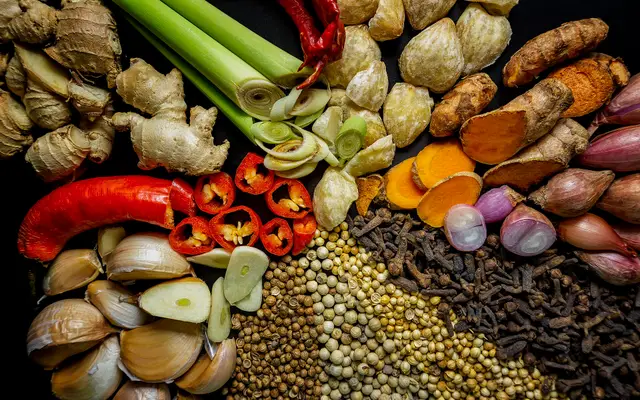
Bumbu Basics: How to Make Indonesian Spice Pastes at Home
The three base spice pastes behind countless Indonesian dishes, and how to grind, fry and freeze them.
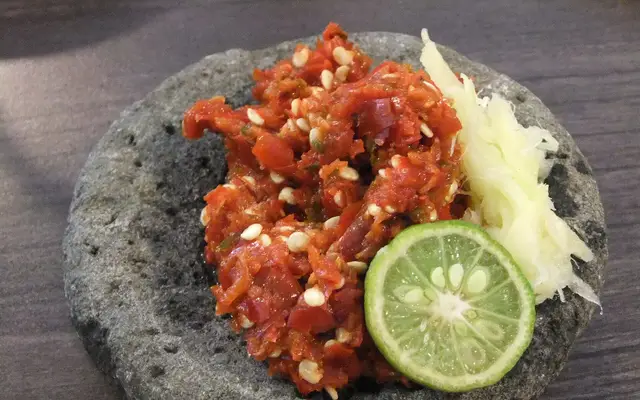
Sambal Guide: Indonesia's Chilli Sauces, From Terasi to Matah
Raw or cooked, sweet or sour, mild or fierce: a practical guide to the chilli sauces on every Indonesian table.
Recipes · Recipe
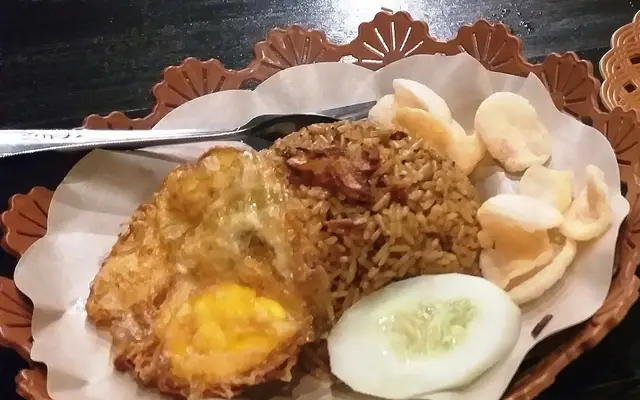
Nasi Goreng Recipe: Home-Style Indonesian Fried Rice for the Family
Smoky, sweet-savoury Indonesian fried rice made with day-old rice, a simple spice paste and kecap manis, with a mild option for kids.