
Recipes · Recipe
Nasi Goreng Recipe: Home-Style Indonesian Fried Rice for the Family
Smoky, sweet-savoury Indonesian fried rice made with day-old rice, a simple spice paste and kecap manis, with a mild option for kids.
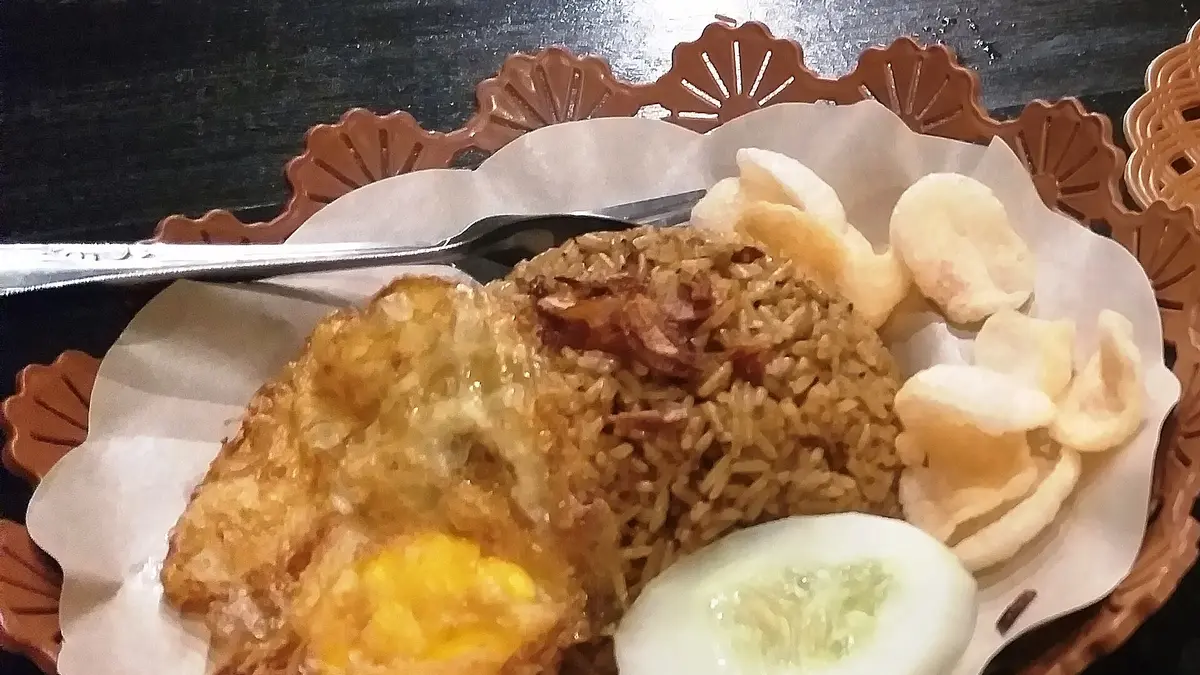
Nasi goreng simply means “fried rice”, and in Indonesia it is less a single recipe than a habit. It is what happens to yesterday’s rice in countless home kitchens, the dish that street carts fry to order late into the evening, and a breakfast that turns leftovers into something everyone looks forward to. What sets it apart from other fried rice across Asia is the flavour base: a fried paste of shallot and garlic, often with chilli and a little shrimp paste, finished with kecap manis, the thick, palm-sugar-sweetened soy sauce that gives the rice its glossy brown colour and gentle caramel note.
This version is home-style and flexible. It uses chicken, a quick paste you can make in a blender, and a fried egg on top, with a clear path to a version with no heat at all for younger eaters.
Where nasi goreng comes from
Fried rice arrived in the archipelago through Chinese cooking traditions, and over time Indonesian cooks made it their own with local aromatics, sambal and sweet soy. Today you will find many regional and street styles. Nasi goreng kampung is often fried with more chilli and terasi and sometimes anchovies. Nasi goreng merah, associated with Makassar and parts of Java, gets a reddish tint from chilli and tomato. Nasi goreng ikan asin uses salted fish, and nasi goreng gila (“crazy fried rice”) is piled with sausage, meatballs and egg. Street vendors around Jakarta often cook over a fierce flame, which gives a smoky edge that is hard to copy at home but easy to approximate with a hot wok and patience. If you want to explore the wider street-food scene, our Jakarta street food guide covers the dishes you are likely to see sold alongside it.
Key ingredients and substitutions
Rice. Day-old, refrigerated rice is the single most important factor. Freshly cooked rice is too moist and turns sticky in the pan. Jasmine rice is common in Indonesian homes, but any medium or long-grain white rice works. Our guide to cooking rice well explains ratios and how to cool and store cooked rice safely.
Kecap manis. Indonesian sweet soy is thicker and sweeter than Chinese dark soy. Outside Indonesia, look for it in Asian grocers. If you cannot find it, simmer equal parts dark soy sauce and dark brown or palm sugar until slightly syrupy, then cool. It will not be identical, but it works.
Shallots and garlic. Indonesian shallots are small and pungent. Larger Western shallots are fine; use the weight given rather than the number. A small red onion can stand in if needed.
Terasi. Fermented shrimp paste adds depth and savouriness. Toast it briefly in a dry pan or wrapped in foil before using, and open a window. It is optional, and leaving it out makes the dish shellfish-free (check your other sauces too). Our pantry essentials guide explains how to buy and store it.
Protein. Chicken thigh stays juicier than breast. Prawns, leftover roast chicken, diced firm tofu or tempeh are all good, and a plain egg-only version is a classic.
Technique tips
- Prepare everything first. Once the wok is hot, nasi goreng moves fast.
- Cook the paste properly. Raw shallot and garlic taste harsh. Frying the paste until fragrant and slightly darker builds the flavour the whole dish depends on.
- Use high heat and do not overcrowd. If your pan is small, cook in two batches. Crowded rice steams instead of frying.
- Pour sauces around the edge. Letting kecap manis hit the hot metal first gives a light caramelisation and a smoky hint.
- Let it sit. Brief pauses between tosses let the rice catch a little colour.
Variations
- Nasi goreng with prawns: swap the chicken for peeled prawns and add them later, as they cook quickly.
- Vegetarian: use tofu or tempeh, skip the terasi and oyster sauce, and season with soy and a little extra kecap manis.
- Nasi goreng pete: sometimes cooked with stink beans for a strong, distinctive flavour that many adults love.
- Nasi goreng spesial: serve with a skewer or two of chicken satay and a fried egg. Our sate guide explains the regional styles.
Making it child-friendly
Nasi goreng is one of the easiest Indonesian dishes to share across ages because the heat comes almost entirely from the chilli, which you can simply leave out. Make the base with shallot, garlic and kecap manis only, and the result is mild, slightly sweet and very approachable. Serve chilli and sambal at the table so older children and adults can add their own. Many families find this “sambal on the side” approach helps children build up to spicier food at their own pace; see our article on introducing children to Indonesian flavours for more ideas.
A few safety points: wash hands after handling chilli and keep it well away from children’s eyes. Fully cook egg yolks for very young children. Prawn crackers are hard and can be a choking risk for children under four, so break them into small pieces or skip them. If anyone has a shellfish, egg or soy allergy, check every label, and speak to a paediatrician with any allergy questions.
Serving suggestions
In Indonesia, nasi goreng typically comes with a fried egg, slices of cucumber and tomato for freshness, a sprinkle of fried shallots and a handful of krupuk for crunch. Acar, a quick pickle of cucumber, carrot and shallot in vinegar and sugar, cuts through the richness nicely. Add a small dish of sambal for anyone who wants heat; our sambal guide has suggestions. A glass of iced sweet tea is the usual companion.
Nasi Goreng Recipe — recipe
Ingredients
- 750 g cooked jasmine or medium-grain white rice (about 5 cups), chilled overnight
- 6 shallots (about 90 g), peeled and roughly chopped
- 4 cloves garlic, peeled
- 1–3 red bird’s eye chillies or 1 large red chilli, deseeded for less heat (optional)
- 1 tsp toasted terasi (shrimp paste), optional
- 3 tbsp vegetable oil, plus 2 tbsp for frying eggs
- 250 g boneless chicken thigh, cut into small pieces (or peeled prawns)
- 3 tbsp kecap manis (Indonesian sweet soy sauce)
- 1 tbsp light soy sauce or kecap asin
- 1 tsp oyster sauce (optional)
- 1/2 tsp salt, plus more to taste
- 1/4 tsp ground white pepper
- 2 spring onions, thinly sliced
- 1 small handful shredded cabbage or 50 g green beans, finely sliced (optional)
- 4 eggs, for frying
- To serve: cucumber and tomato slices, fried shallots, prawn crackers (krupuk) and sambal on the side
Method
- Break up the chilled rice with clean, damp hands so there are no large clumps. Set aside.
- Pound or blend the shallots, garlic, chilli and terasi (if using) into a coarse paste. Add a splash of the oil if the blender needs help.
- Heat 3 tbsp oil in a wok or large frying pan over medium heat. Add the paste and stir-fry for 3–4 minutes, until it smells sweet and the raw shallot edge has gone and the oil begins to separate.
- Turn the heat to high, add the chicken and stir-fry for 3–4 minutes until cooked through with no pink in the centre. If using prawns, cook them for 1–2 minutes until just opaque.
- Add the cabbage or green beans, if using, and toss for 1 minute.
- Tip in the rice and toss for 2 minutes, pressing any clumps against the hot pan so every grain is coated in the paste.
- Drizzle the kecap manis, soy sauce and oyster sauce around the edge of the wok rather than straight onto the rice, so they sizzle and caramelise slightly. Toss well.
- Season with the salt and white pepper, then keep frying for 2–3 minutes, letting the rice sit for 20–30 seconds between tosses so it picks up a little toasty colour.
- Taste and adjust with more salt, soy or kecap manis. Stir through most of the spring onions and take the pan off the heat.
- In a separate frying pan, heat 2 tbsp oil over medium-high heat and fry the eggs until the whites are set and the edges are crisp. Cook the yolks fully for young children and anyone who prefers them firm.
- Divide the rice between plates, top each with a fried egg and the remaining spring onions, and serve with cucumber, tomato, fried shallots, krupuk and sambal on the side.
Notes
- Kid-friendly: leave out the chilli and terasi entirely, cook the family portion, then stir sambal or chopped chilli into adult plates at the table.
- Allergens: contains egg and soy (kecap manis, soy sauce). Terasi, oyster sauce, prawns and most prawn crackers contain shellfish or fish. Check labels if anyone has an allergy.
- No day-old rice? Spread freshly cooked rice on a tray and refrigerate, uncovered, for at least 1 hour so the surface dries.
- Leftovers: cool quickly and refrigerate within 1 hour; eat within 1 day and reheat until steaming hot throughout.
Keep reading
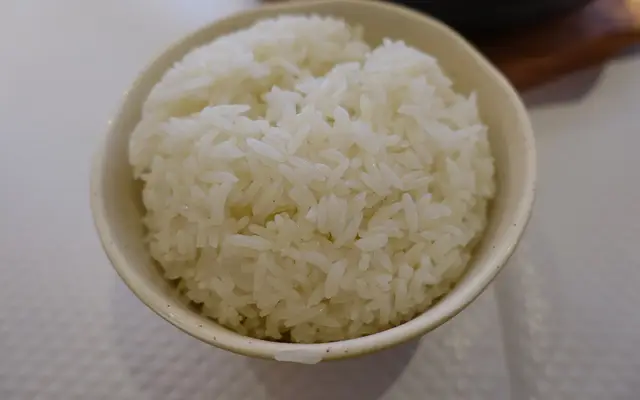
How to Cook Perfect Rice: Rice Cooker, Stovetop and Leftover Tips
Rinsing, ratios and resting: a practical guide to cooking rice well in a rice cooker or a pan, and storing leftovers safely.
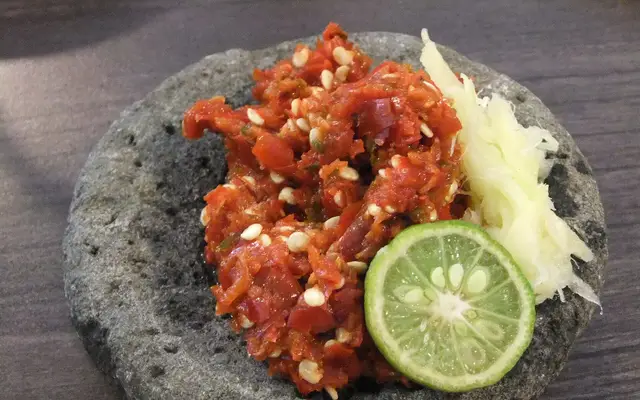
Sambal Guide: Indonesia's Chilli Sauces, From Terasi to Matah
Raw or cooked, sweet or sour, mild or fierce: a practical guide to the chilli sauces on every Indonesian table.
Recipes · Recipe
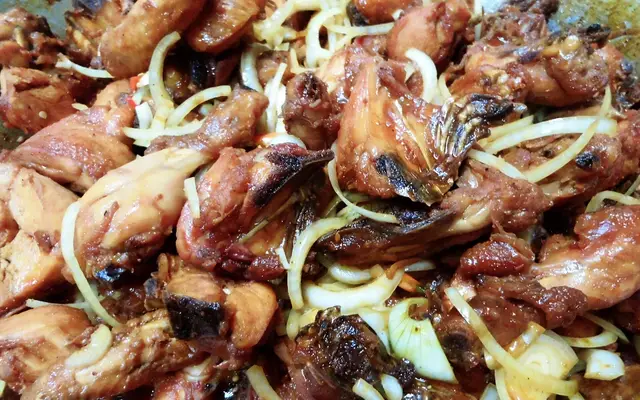
Easy Indonesian Family Dinners: Ayam Kecap and a Week of Pairings
A glossy sweet soy chicken that children love, plus seven simple Indonesian dinner pairings to carry you through the week.