
Family Dining · Guide
Introducing Children to Indonesian Flavours, One Step at a Time
Sweet soy, coconut, lemongrass and, eventually, chilli: a patient, step-by-step way to help children enjoy Indonesian food.
Indonesian food is often described as spicy, but much of what makes it distinctive has nothing to do with chilli. Sweet soy, coconut milk, lemongrass, lime leaves, turmeric, tamarind, fried shallots and savoury broths are all flavours that children can learn to enjoy long before they are ready for sambal. Introducing them gradually, without pressure, tends to work better than waiting until a child is “old enough” for the family’s food. This guide suggests where to start, how to build up to heat with a simple spice ladder, and how to keep tasting relaxed.
Start with what children already like
Most children are drawn to sweet, salty and mildly savoury tastes, and Indonesian cooking has plenty of all three. Good entry points include:
- Kecap manis. The thick, sweet soy sauce behind ayam kecap, semur and many fried rice dishes is often an instant hit. It is also salty, so treat it as a flavouring rather than pouring it over everything.
- Coconut. Coconut milk gives dishes like opor ayam, nasi uduk and sayur lodeh a rich, gentle roundness, and grated coconut appears in many sweets.
- Clear broths. Soto ayam and sayur sop are light, warm and familiar in texture.
- Fried shallots and kerupuk. Crunch makes food interesting, and bawang goreng adds flavour without heat.
Breakfast is a useful low-stakes moment to explore. Bubur ayam, nasi uduk and nasi kuning are mild by default, with sambal served separately. Our Indonesian breakfast guide explains each one.
Repeated, low-pressure tasting
Many children need to meet a new food several times, sometimes many times, before they accept it. A refusal today does not mean a refusal forever. A few habits make repeated exposure easier:
- Serve a tiny portion next to familiar food. A spoonful of sayur lodeh beside plain rice and telur dadar feels far less daunting than a full bowl.
- Eat it yourself. Children watch what adults enjoy. Talk about flavour in simple words: sweet, sour, salty, smells like lime.
- Let them decide. Avoid bribes, rewards or insisting on “one more bite”. The goal is curiosity, not a clean plate.
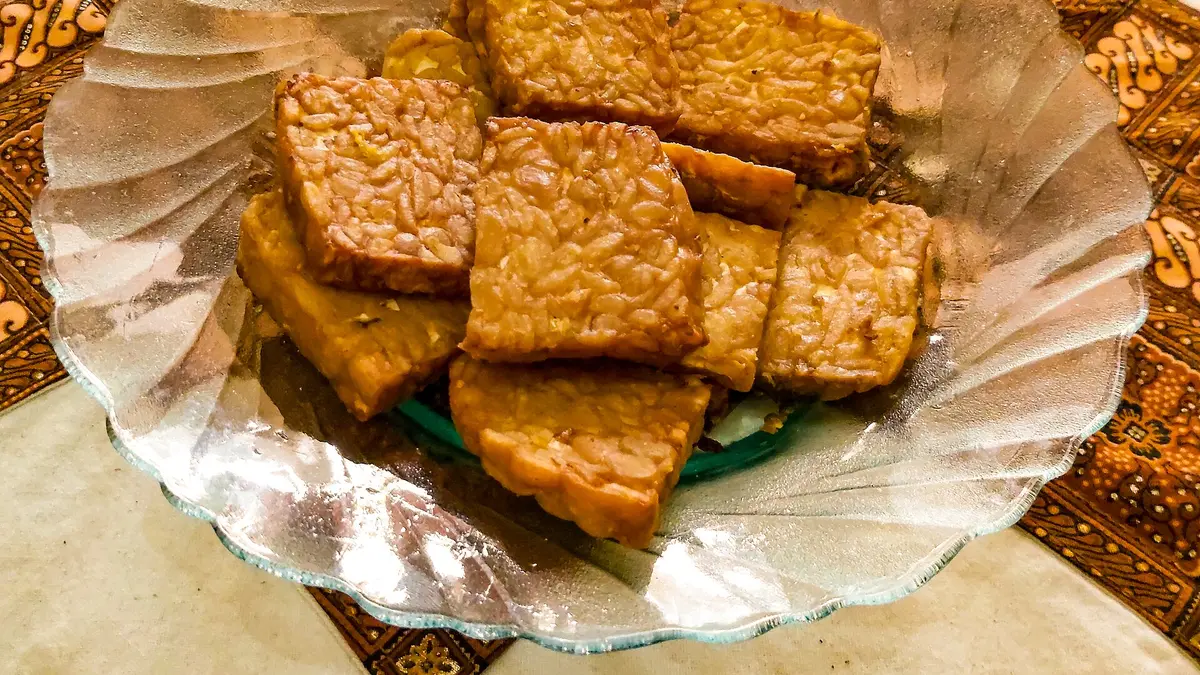
- Offer it again later. Bring the same food back a week or two later, perhaps cooked a different way: tempe fried crisp instead of braised.
- Involve them in cooking. Children who have smelled the lemongrass and stirred the pot are often more willing to taste the result.
Flavour by flavour
Aromatics
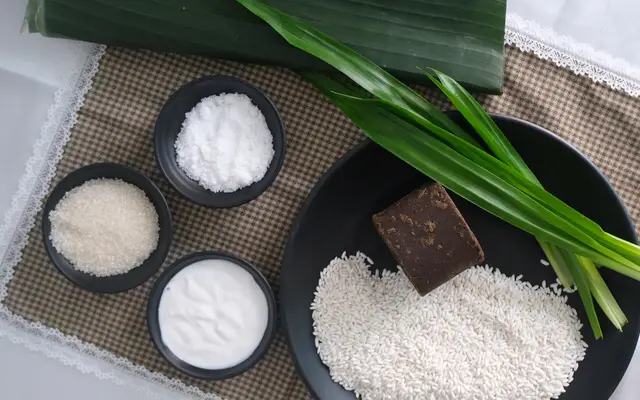
Lemongrass, galangal, salam leaves and kaffir lime leaves perfume a dish without making it hot. Let children crush a lime leaf or bruise a lemongrass stalk and smell it before it goes in the pot. Remove whole aromatics before serving young children, as the woody pieces are tough and unpleasant to chew. Our guide to Indonesian pantry essentials describes each ingredient.
Sour and fresh
Tamarind (asam jawa), lime and jeruk limau add brightness to sayur asem, soups and dipping sauces. Many children enjoy squeezing lime over their own soto, which gives them a sense of control over the flavour.
Savoury and fermented
Terasi (shrimp paste) and petis have strong smells that can put children off in their raw form, but once cooked into a bumbu they add depth rather than funk. Introduce them inside a familiar dish rather than on their own. Remember that both contain shellfish.
Peanut
Peanut sauces for sate, gado-gado and pecel are often popular with children, but peanuts are a common allergen. If you have any questions about introducing peanut, or a family history of allergies, ask your paediatrician first.
A spice ladder for building up to chilli
Heat is easier to accept in small, predictable steps. This ladder is a guide, not a timetable; some children move up quickly, others stay on a rung for months, and some simply prefer mild food. Both are fine.
| Step | What to try | Example |
|---|---|---|
| 1 | Aromatic, no chilli | Opor ayam, soto ayam, ayam kecap |
| 2 | A little black or white pepper | Sayur sop, pepper on telur dadar |
| 3 | Large red chilli, seeds removed, cooked into the dish | Mild nasi goreng with deseeded cabai merah |
| 4 | Sweet soy sambal with a few chilli slices | Sambal kecap with sate |
| 5 | Mild cooked sambal on the side | Sambal tomat with fried tempe |
| 6 | Fresh sambals and bird’s-eye chilli | Sambal terasi, sambal matah, cabai rawit |
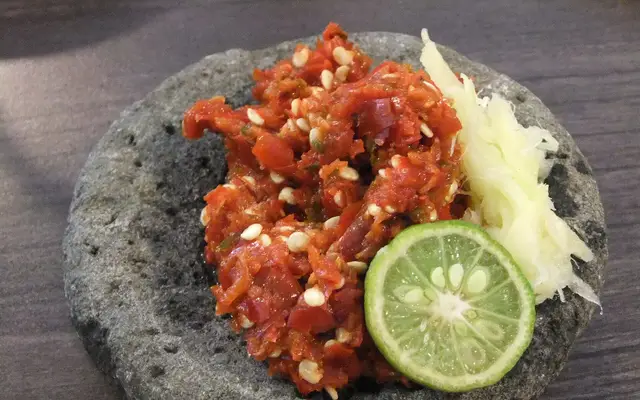
Our sambal guide explains how heat and sweetness vary between styles, which helps when choosing the next rung. The nasi goreng recipe includes a milder version that suits step three.
Chilli comfort and safety
Even mild chilli can surprise a child. A few points help:
- Keep a cup of milk, a spoonful of plain rice or a piece of cucumber nearby. These tend to soothe the burn better than water.
- Teach children not to rub their eyes after touching chilli or sambal, and to wash their hands.
- Never use chilli as a dare, a joke or a punishment. A frightening experience can set a child back for a long time.
- Keep the adults’ sambal bowl out of reach of toddlers, who may grab a spoonful out of curiosity.
Babies and very young children
For babies who are just starting solid food, follow the advice of your paediatrician or local health clinic on which foods to introduce and when. The ideas in this guide are aimed mainly at toddlers and older children who already eat a range of family foods. For under-fours, cut round foods such as bakso and cherry tomatoes into small pieces lengthwise, and avoid whole nuts.
Going further
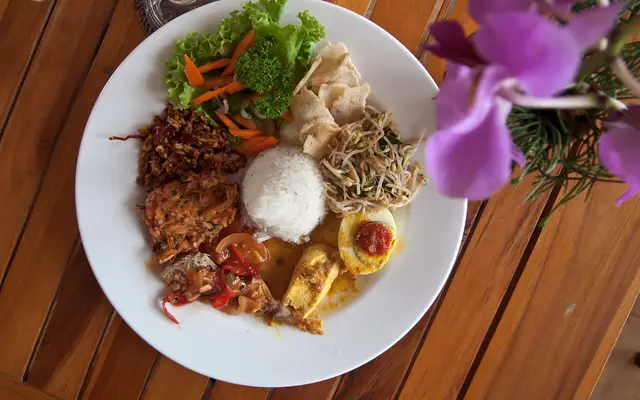
Once children are comfortable with everyday dishes, regional Indonesian cooking opens up plenty of new territory, from the fresh herbs of Sundanese food to the sweet flavours of Javanese cooking. Our guide to family-friendly Indonesian meals covers how to keep one shared table while different people eat at different heat levels.
Frequently asked questions
At what age can children eat spicy food?
There is no single right age. Many families start with aromatic, chilli-free dishes and add mild heat gradually as children show interest. Follow the child’s lead and keep the adults’ chilli on the side.
My child refuses anything new. What should I do?
Keep offering small amounts of new foods alongside familiar ones, without pressure, and eat them yourself. If you are worried about how much or how narrowly your child eats, talk to your paediatrician.
Is kecap manis suitable for children?
It is widely used in family cooking, but it is both sweet and salty, so a little goes a long way. Use it as a flavouring within a dish rather than a sauce to pour freely.
Keep reading
Sambal Guide: Indonesia's Chilli Sauces, From Terasi to Matah
Raw or cooked, sweet or sour, mild or fierce: a practical guide to the chilli sauces on every Indonesian table.
Family-Friendly Indonesian Meals the Whole Table Can Share
One pot, several heat levels: mild Indonesian dishes for the whole family and how a condiment tray keeps everyone happy.
Indonesian Pantry Essentials: What to Stock and How to Substitute
The sauces, aromatics and staples behind Indonesian home cooking, with practical substitutes and storage advice.