
Family Dining · Guide
Family-Friendly Indonesian Meals the Whole Table Can Share
One pot, several heat levels: mild Indonesian dishes for the whole family and how a condiment tray keeps everyone happy.
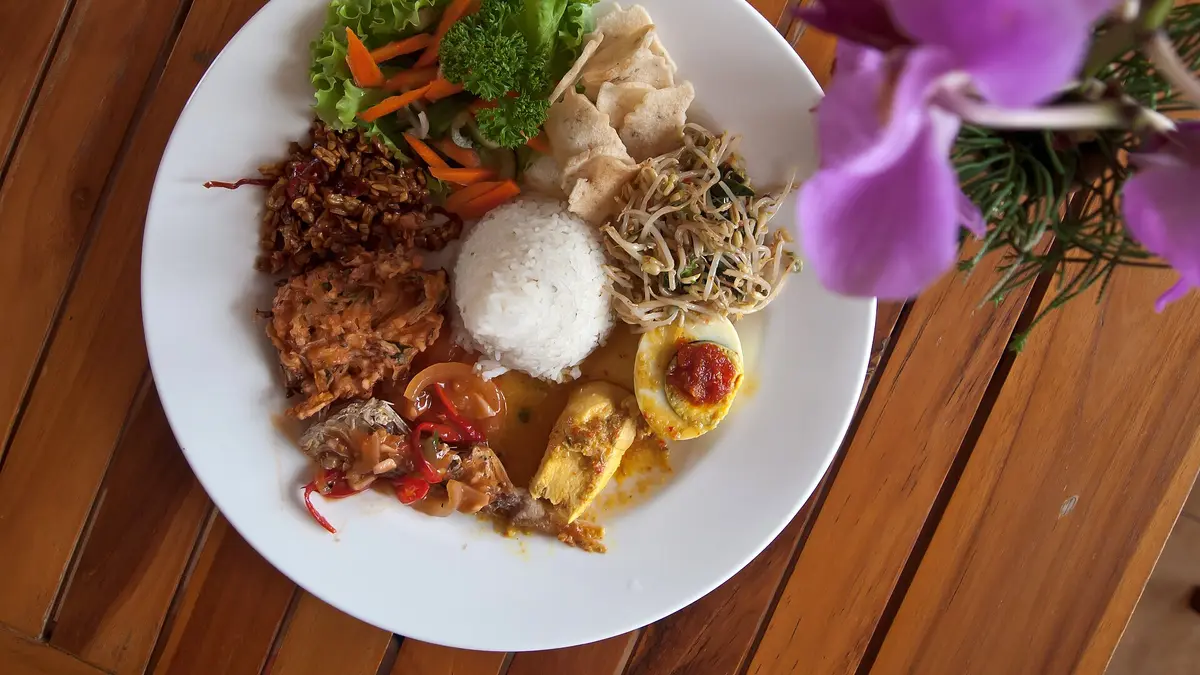
The way Indonesians usually eat at home is a gift to families with mixed tastes. Rice sits in the middle, surrounded by a few lauk (dishes of chicken, fish, egg, tofu or tempe), a vegetable dish and usually some sambal, and everyone takes what they like. Nobody has to eat the same plate. That shared-table format makes it easy to cook one meal and adjust the heat person by person, rather than preparing a separate child’s menu every night. This guide covers which dishes are naturally mild, how to cook a base that suits everyone, and the small safety details that matter when young children join the table.
Why the Indonesian table suits families
Most Indonesian home meals are built from components rather than a single composed plate. That has three practical benefits for parents.
- Children can choose. A child who will only eat rice, egg and cucumber tonight can still sit at the same table, and may reach for the tempe next week.
- Heat lives in the condiments. Much of the chilli in everyday eating arrives through sambal, cabai rawit on the side, or a spicy sauce spooned over at the table.
- Leftovers recombine. Yesterday’s ayam goreng becomes today’s nasi goreng topping or a lunchbox filling.
Sitting together, even for a short dinner, gives children a regular moment to see adults trying and enjoying a range of foods. That modelling tends to do more than any amount of coaxing.
Cook mild, serve sambal on the side
Start with a mild base
Many Indonesian dishes get their depth from shallots, garlic, candlenut, turmeric, galangal, lemongrass and salam leaves rather than from chilli. When a recipe calls for chillies in the spice paste, you have options:
- Use large red chillies (cabai merah besar) with the seeds and pith scraped out, which give colour with far less heat than bird’s-eye chillies.
- Leave the chilli out of the bumbu entirely and fry a separate small batch of chilli paste for the adults.
- Cook the dish, then lift out the children’s portion before stirring in a spoonful of sambal for everyone else.
Build a condiment tray
A small tray of toppings turns a mild meal into something everyone can tune. Typical options include:
- Sambal, ideally two kinds: a fresh hot one and a milder cooked or tomato-based one. Our sambal guide explains the main types.
- Kecap manis and sambal kecap (sweet soy with sliced shallot and a little chilli for those who want it).
- Bawang goreng (fried shallots) and kerupuk for crunch.
- Jeruk limau or lime wedges, and acar (quick cucumber and carrot pickle).
- Sliced cucumber and tomato, which many children happily eat on their own.
When ordering at a warung or restaurant, “tidak pedas” (not spicy) and “sambalnya dipisah” (sambal separately) are useful phrases.
Mild dishes that suit the whole table
The table below lists dishes that are usually mild or easy to make mild, with ideas for adults who want more heat.
| Dish | Why it works for children | Adult upgrade |
|---|---|---|
| Soto ayam | Clear turmeric broth, soft chicken, rice or noodles | Sambal soto and lime at the table |
| Sayur sop | Simple vegetable and chicken soup, familiar flavours | Pepper and sambal on the side |
| Ayam kecap | Sweet soy glaze that children often enjoy | Sliced cabai rawit in the sauce after serving |
| Opor ayam | Gentle coconut curry without chilli in many versions | Sambal goreng on the side |
| Semur daging | Soft braised beef in sweet soy and spices | Extra pepper or chilli sauce |
| Tempe or tahu bacem | Sweet, soft, braised then lightly fried | Dip in sambal kecap |
| Perkedel kentang | Soft potato patties, easy to hold | Serve with sambal |
| Telur dadar | Quick, filling, endlessly adaptable | Chopped chilli in the adult omelette |
| Sate ayam | Kecap-glazed skewers | Peanut sauce or sambal for adults |
| Capcay | Mixed vegetables in light sauce | Chilli oil at the table |
Our soto ayam recipe and the week of pairings in easy Indonesian family dinners are good starting points for weeknights. A pot of lightly scented coconut rice, cooked in the rice cooker, makes an easy base that feels a little special.
Adapting the spicier favourites
Some family favourites are hot by nature, but most can still be shared with a little planning.
- Balado dishes. Fry the eggs, potatoes or fish plain, set some aside for the children, then toss the rest in balado sauce.
- Rendang and gulai. Cook with fewer chillies and pass extra sambal at the table. The long braising mellows much of the heat, though rendang can still be rich for small children, so offer a little alongside rice and vegetables.
- Sambal goreng kentang. Fry the potato cubes first and save a handful before they meet the chilli paste.
- Sate. Serve the meat with kecap manis for children and the classic peanut sauce or sambal for others. Our sate guide covers regional sauces.
Safety at the table for younger children
A shared meal still needs a few checks when toddlers and preschoolers are eating.
- Bones. Fried chicken, fish dishes such as pepes and ikan goreng, and soups made with bone-in pieces often contain small or sharp bones. Shred the meat for young children and check carefully for fish bones.
- Round and firm foods. Cut bakso, sausage slices, grapes and cherry tomatoes into small pieces lengthwise for children under about four. Avoid whole nuts and take care with very hard kerupuk and small jelly cups.
- Skewers. Slide sate off the stick before giving it to a small child.
- Hot soup. Let soto and sop cool in a separate bowl before serving a child, and keep the serving pot away from the table edge.
- Allergens. Peanut sauce, rempeyek, terasi, ebi, kecap (soy and often wheat) and egg appear in many dishes. If you have any concerns about allergies, talk to your paediatrician before introducing these foods.
Eating out as a family
The same approach works at restaurants. Mall food courts and casual Indonesian restaurants usually let each person order separately, and plenty of dishes come with sambal on the side by default. Our guide to family-friendly restaurants in Jakarta covers what to look for, from high chairs to timing your visit around traffic.
Frequently asked questions
Is Indonesian food too spicy for children?
Not necessarily. Many dishes use aromatic spices rather than chilli, and much of the heat is added at the table through sambal. Cooking mild and serving chilli separately lets children eat the same meal as everyone else.
Which Indonesian dishes are best for picky eaters?
Simple, separate components tend to work well: plain rice, telur dadar, perkedel, tempe bacem, ayam kecap and clear soups. Serving them side by side, rather than mixed together, lets a cautious child pick what feels safe. Our guide to introducing children to Indonesian flavours has more ideas.
How can I help a child who wants to copy the adults’ sambal?
Offer a tiny amount of a mild sambal, such as a cooked tomato sambal, on the side of the plate and let them decide whether to try it. Never push a child to try something hot as a joke or a dare.
Keep reading
Recipes · Recipe
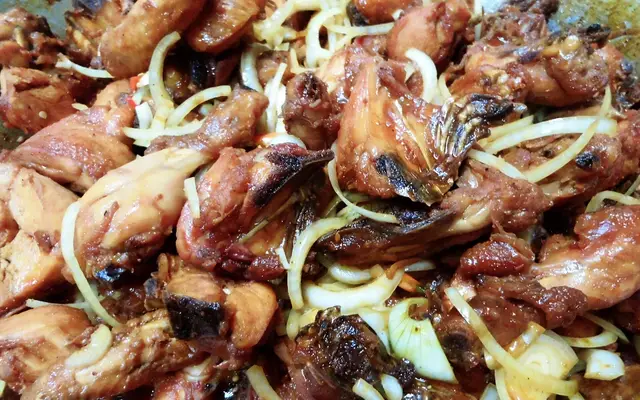
Easy Indonesian Family Dinners: Ayam Kecap and a Week of Pairings
A glossy sweet soy chicken that children love, plus seven simple Indonesian dinner pairings to carry you through the week.
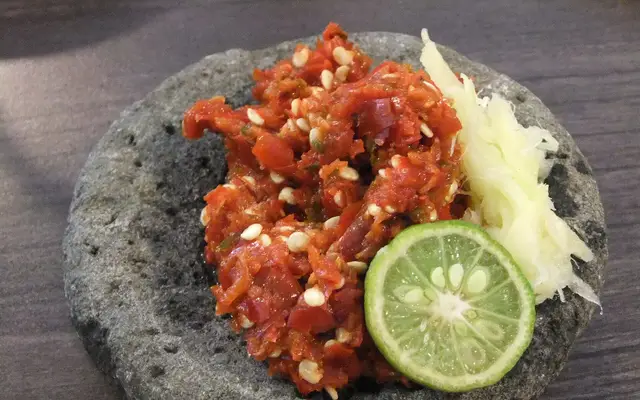
Sambal Guide: Indonesia's Chilli Sauces, From Terasi to Matah
Raw or cooked, sweet or sour, mild or fierce: a practical guide to the chilli sauces on every Indonesian table.
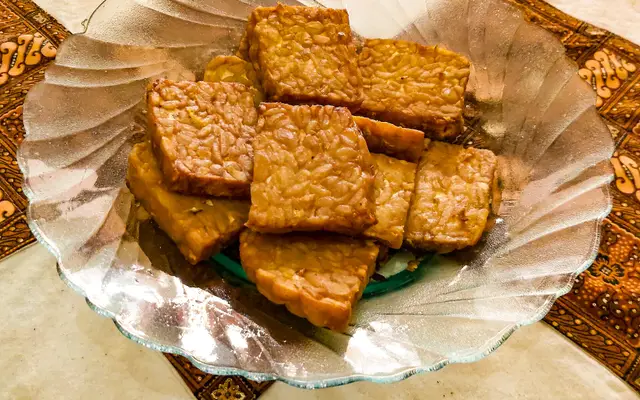
Introducing Children to Indonesian Flavours, One Step at a Time
Sweet soy, coconut, lemongrass and, eventually, chilli: a patient, step-by-step way to help children enjoy Indonesian food.