
Recipes · Recipe
Soto Ayam Recipe: Clear Turmeric Chicken Soup with Koya and Sambal
A fragrant, golden Indonesian chicken soup with glass noodles, boiled egg, lime and crunchy koya, made mild for kids with sambal on the side.
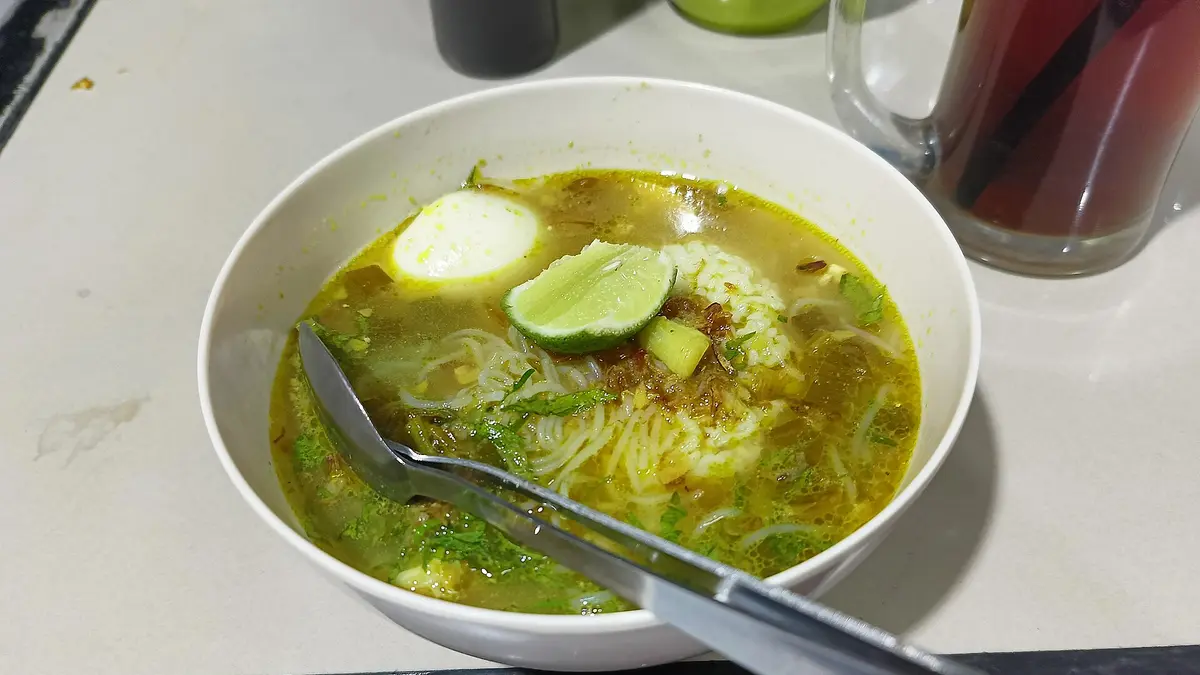
Soto ayam is a turmeric-tinted chicken soup that sits somewhere between comfort food and national institution in Indonesia. It is eaten for breakfast, lunch or a late supper, sold from pushcarts and small warung as well as cooked at home, and every region seems to have an opinion on how it should be done. The version here is the clear, golden style common across Java: a fragrant broth built on a fried spice paste, poured over glass noodles, bean sprouts, shredded chicken and egg, then finished with lime, fried shallots and a spoonful of koya, a crunchy powder of ground prawn crackers and garlic.
It takes a little over an hour, much of it hands-off simmering, and the result is gentle enough for children while still rewarding adults who like to load up with sambal.
What soto is
“Soto” covers a large family of Indonesian soups, and soto ayam (chicken soto) is the most widely cooked. Broadly, soto splits into clear broths and creamy ones. Soto Betawi from Jakarta is rich with coconut milk or milk; soto Madura and soto Lamongan, from East Java, are clear and bright with turmeric, and Lamongan-style soto is the one most closely associated with koya. Soto Kudus is served in small bowls, and Medan’s soto is enriched with coconut milk. You will often see soto offered at breakfast stalls alongside the dishes in our Indonesian breakfast guide, and a bowl from a street cart is a standard Jakarta experience covered in our street food guide.
Key ingredients and substitutions
Turmeric. Fresh turmeric gives a brighter, more floral colour and flavour, but ground turmeric is a perfectly good substitute. Fresh turmeric stains hands, boards and clothes, so wear gloves or wash up promptly.
Candlenuts (kemiri). These add body and a subtle richness to the broth. Raw macadamias are the usual substitute abroad. Candlenuts should not be eaten raw, which is why they are always fried and simmered.
Lemongrass, galangal, kaffir lime leaves and salam. Together they give soto its lifted, citrusy aroma. If you cannot find galangal, use extra ginger and accept a slightly warmer, less piney note. Daun salam has no true substitute; it is fine to omit. Our pantry essentials guide explains each one and how to store them.
Chicken. Bone-in pieces give a much fuller broth than boneless meat. Some cooks briefly fry the poached chicken afterwards for extra flavour before shredding.
Koya. Traditionally made from prawn crackers and fried garlic. If you cannot find krupuk, plain fried garlic ground with a few toasted breadcrumbs gives a similar savoury crunch without shellfish.
Technique tips
- Fry the paste thoroughly. Undercooked paste tastes raw and slightly bitter. Cook it until the colour deepens and the oil glistens around the edges. Our bumbu basics guide explains what to look and smell for.
- Simmer, do not boil hard. A rolling boil clouds the broth. Skim early and keep it at a lazy bubble.
- Season at the end. Taste the broth after the chicken comes out; that is when it is most concentrated.
- Keep components separate. Noodles and sprouts go soggy if stored in the broth, so assemble each bowl just before eating.
Variations
- Soto Lamongan style: generous koya, more turmeric and often a boiled egg in every bowl.
- Soto Betawi-inspired: replace 500 ml of the water with coconut milk added in the last 10 minutes and simmer gently so it does not split. This makes a creamier, richer soup.
- Soto with potato: some families add fried potato slices or perkedel (potato fritters) to each bowl.
- Leaner version: use skinless pieces and skim the broth well once cooled.
Making it child-friendly
Soto ayam suits children well because none of its heat is built in. The broth is aromatic but mild, and the chilli comes only from sambal at the table. For younger children, snip the glass noodles very short, shred the chicken finely, and cool the broth before serving; a hot bowl of soup is one of the most common causes of kitchen scalds, so keep bowls away from table edges. Hard-boiled egg is a good, easy protein for small hands. If you make koya with prawn crackers, check for shellfish allergies first, and consult a paediatrician with any allergy concerns. Our article on family-friendly Indonesian meals has more ideas for dishes the whole table can share.
Serving suggestions
In Indonesia soto ayam is usually served with plain steamed rice, either in the bowl or alongside, or with compressed rice cakes (lontong). Lime wedges, a dish of sambal and a drizzle of kecap manis are standard, and many people add a few fried tempeh or tofu pieces, satay-style skewers of quail eggs or chicken intestine, and a handful of krupuk. For a simple family meal, pair it with a plate of nasi goreng for those who want something heartier, or keep it light with just rice and condiments.
Soto Ayam Recipe — recipe
Ingredients
- 1.2 kg bone-in chicken pieces (thighs and drumsticks, or half a whole chicken)
- 2.5 litres water
- 8 shallots (about 120 g), peeled
- 5 cloves garlic, peeled
- 4 candlenuts (kemiri), or 6 raw macadamia nuts
- 4 cm fresh turmeric, peeled, or 1 1/2 tsp ground turmeric
- 3 cm fresh ginger, peeled
- 1 tsp coriander seeds, toasted
- 1/2 tsp white peppercorns
- 3 tbsp vegetable oil
- 2 stalks lemongrass, bruised and tied in a knot
- 4 cm galangal, sliced and bruised
- 4 kaffir lime leaves, torn
- 2 Indonesian bay leaves (daun salam), optional
- 2 tsp salt, or to taste
- 1 tsp sugar
- 100 g dried glass noodles (soun / mung bean vermicelli)
- 150 g bean sprouts, tails trimmed if you like
- 1/4 small white cabbage, finely shredded
- 6 eggs, hard-boiled and halved
- 2 spring onions and 1 stalk Chinese celery (seledri), finely sliced
- Fried shallots, to garnish
- Koya: 50 g prawn crackers (krupuk udang) and 2 tbsp fried garlic, finely ground together
- To serve: lime wedges, kecap manis, sambal, steamed rice or lontong
Method
- Put the chicken and water in a large pot and bring to the boil. Skim off the grey foam for the first 5 minutes, then reduce to a gentle simmer.
- While the chicken simmers, blend or pound the shallots, garlic, candlenuts, turmeric, ginger, coriander seeds and white pepper into a smooth paste, adding a splash of water if needed.
- Heat the oil in a frying pan over medium heat. Fry the paste with the lemongrass, galangal, lime leaves and bay leaves for 6–8 minutes, stirring often, until deep yellow, fragrant and the oil separates.
- Scrape the fried paste and aromatics into the simmering broth. Rinse the frying pan with a ladle of broth and add that back too.
- Season with the salt and sugar and simmer gently, partly covered, for 35–40 minutes, until the chicken is tender and pulls easily from the bone.
- Lift out the chicken and let it cool slightly. Discard the skin and bones, and shred the meat into bite-sized pieces.
- Strain the broth if you prefer it very clear, or simply fish out the lemongrass, galangal and leaves. Taste and adjust the salt; keep it hot over low heat.
- Soak the glass noodles in hot water for 5–8 minutes until soft, then drain and snip into shorter lengths with kitchen scissors.
- Blanch the bean sprouts in boiling water for 20–30 seconds, then drain. Keep the cabbage raw or blanch it the same way.
- For the koya, blitz the prawn crackers and fried garlic in a spice grinder or small blender to a fine, sandy powder.
- To assemble, place noodles, cabbage, bean sprouts, shredded chicken and half an egg in each bowl. Ladle over the very hot broth.
- Top with spring onion, celery, fried shallots and a spoonful of koya. Serve with lime, kecap manis, sambal and rice or lontong on the side.
Notes
- Kid-friendly: the broth itself contains no chilli. Keep sambal at the table for adults, and let the soup cool before serving to young children.
- Allergens: contains egg. Koya and prawn crackers usually contain shellfish; candlenuts and macadamias are tree nuts. Make koya from plain fried garlic and toasted breadcrumbs or skip it for allergy-free bowls.
- Make ahead: the broth keeps for 3 days in the fridge or 3 months in the freezer. Store noodles, vegetables and chicken separately so they stay fresh.
- Candlenuts should always be cooked before eating; frying them in the paste and simmering in the broth takes care of this.
Keep reading
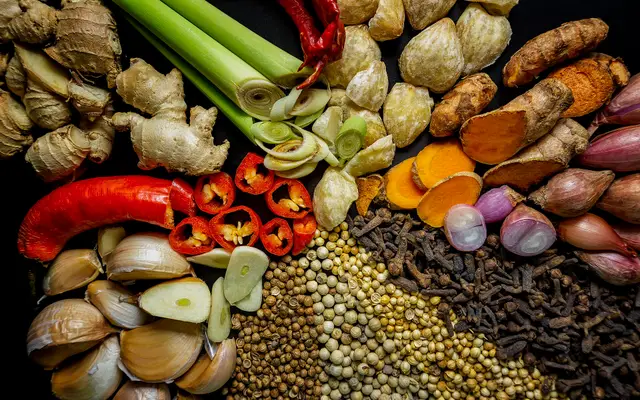
Bumbu Basics: How to Make Indonesian Spice Pastes at Home
The three base spice pastes behind countless Indonesian dishes, and how to grind, fry and freeze them.
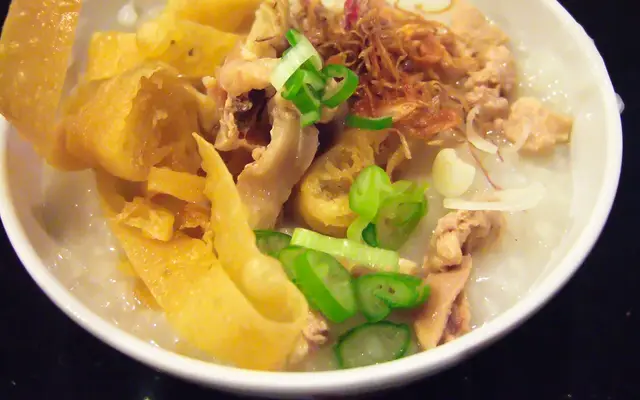
Indonesian Breakfast Guide: Bubur Ayam, Nasi Uduk and Morning Snacks
From rice porridge to coconut rice and market cakes, here is how an Indonesian morning tastes and how to order it.
Recipes · Recipe
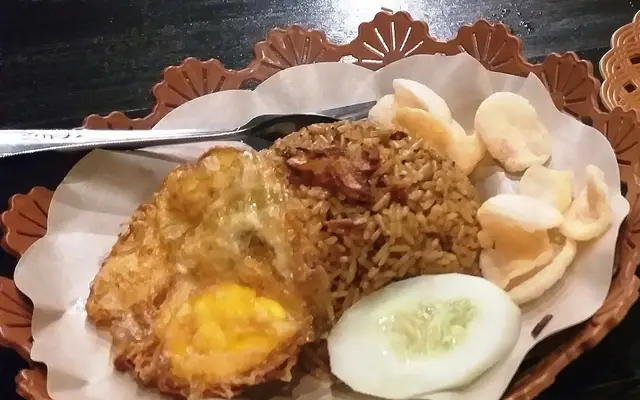
Nasi Goreng Recipe: Home-Style Indonesian Fried Rice for the Family
Smoky, sweet-savoury Indonesian fried rice made with day-old rice, a simple spice paste and kecap manis, with a mild option for kids.