
Cooking Guides · Guide
Bumbu Basics: How to Make Indonesian Spice Pastes at Home
The three base spice pastes behind countless Indonesian dishes, and how to grind, fry and freeze them.
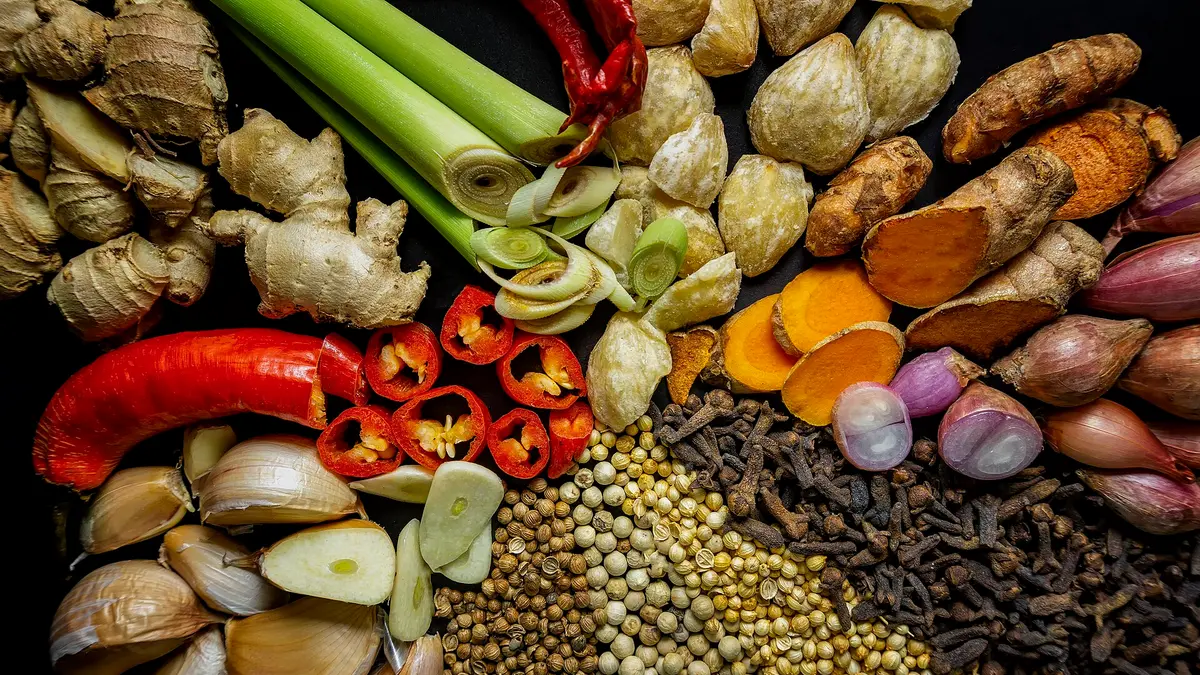
Ask an Indonesian cook what makes a dish taste right and the answer is usually the bumbu. The word simply means seasoning or spice mix, but in practice it refers to the ground paste of shallots, garlic, chillies, nuts and roots that is fried at the start of countless recipes. Learn to make three basic pastes, and to fry them properly, and a large part of Indonesian home cooking opens up. This guide explains the three classic base pastes, how to grind them by hand or machine, the frying technique that matters most, and how to batch-make and freeze bumbu for busy weeks.
What bumbu means in practice
Indonesian recipes often begin with a list of ingredients to be ground together (bumbu halus), followed by whole aromatics added to the pan (bumbu utuh), such as salam leaves, kaffir lime leaves, bruised lemongrass and slices of galangal. The ground paste carries the main flavour; the whole aromatics add fragrance.
Many households keep one or more bumbu dasar (base pastes) ready to use. The three most common are known by their colours: white, red and yellow. Proportions vary from family to family, and there is no single correct recipe. If any of the ingredients are unfamiliar, our Indonesian pantry essentials guide explains each one and suggests substitutes.
The three base pastes
| Paste | Core ingredients | Typical uses |
|---|---|---|
| Bumbu putih (white) | Shallots, garlic, candlenuts, sometimes coriander seed | Opor ayam, stir-fried vegetables, mild coconut dishes |
| Bumbu merah (red) | Shallots, garlic, red chillies, sometimes tomato and terasi | Sambal goreng, balado, red fried rice, spicy stir-fries |
| Bumbu kuning (yellow) | Shallots, garlic, candlenuts, turmeric, ginger, galangal | Soto, ayam goreng kuning, nasi kuning, acar kuning |
Bumbu putih
The mildest of the three, built on shallots, garlic and candlenuts, which give body and a gentle creaminess. Ground coriander seed is often added for dishes such as opor (chicken in a pale coconut sauce). It is a good everyday paste for families because it contains no chilli.
Bumbu merah
The red paste adds long red chillies, and sometimes bird’s-eye chillies, tomato and toasted terasi. Using mostly deseeded long chillies gives colour without fierce heat, so you can keep it family-friendly and add sambal at the table for those who want more. Our sambal guide has more on balancing chilli heat.
Bumbu kuning
The yellow paste adds turmeric, ginger and galangal to the white base. It is the starting point for soto and many fried chicken and fish dishes. Our soto ayam recipe shows a yellow paste in action. Fresh turmeric stains, so wear gloves and use a board that will not mind turning yellow.
Ulek or blender?
The cobek and ulekan
The traditional tool is a shallow stone mortar (cobek) with a stone or wooden pestle (ulekan). Rather than pounding straight down, you grind with a rolling, crushing motion against the mortar. Hand-grinding gives a slightly coarse, fragrant paste and lets you control texture closely.
Tips for grinding by hand:
- Start with salt and the hardest ingredients, such as toasted candlenuts and coriander seed.
- Add sliced roots such as galangal, ginger and turmeric next, then chillies, garlic and finally shallots, which release the most liquid.
- Work in small amounts and scrape the paste back to the centre often.
Blenders and food processors
A blender is faster, especially for big batches. Slice ingredients small first, and add a few tablespoons of cooking oil rather than water to help the blades move. Oil fries the paste more cleanly later, while water has to cook off before the paste starts frying. A small spice grinder or mini chopper handles small quantities better than a large jug blender.
Frying the paste properly
This is the step that separates good Indonesian cooking from flat-tasting food. Raw bumbu tastes harsh and sharp; properly fried bumbu tastes sweet, rounded and deeply savoury. Indonesian cooks describe the goal as frying until the paste is harum (fragrant) and matang (fully cooked).
- Heat a generous amount of oil in a wok or heavy pan over medium heat. Too little oil and the paste scorches before it cooks.
- Add the paste and stir constantly, scraping the base of the pan.
- Add whole aromatics such as salam leaves, lime leaves and bruised lemongrass part-way through.
- Keep frying until the signs below appear. This usually takes longer than people expect, often well over five minutes for a family-sized batch.
Signs the paste is ready:
- The sharp raw-shallot smell has gone and the kitchen smells sweet and toasty.
- The colour has deepened noticeably.
- Oil begins to separate and shimmer around the edges of the paste.
- The paste holds together and slides in the pan instead of sticking in wet clumps.
Lower the heat if the paste darkens too fast. Wet paste can spit when it hits hot oil, so keep faces and small children well back from the pan.
Batch-making and freezing
Making bumbu in bulk saves a great deal of time on weeknights, which is why it features in our meal planning guide for busy families.
- Cook before storing. Fried paste keeps better and tastes better than raw paste. Let it cool completely.
- Freeze in portions. Spoon the cooled paste into ice-cube trays or small containers, freeze, then transfer the cubes to a labelled bag. Two or three cubes are usually enough for a family dish.
- Use within a few months for the best flavour.
- Keep refrigerated paste cold. Store it in a clean jar in the fridge and use it within a few days. Do not keep homemade garlic, shallot or chilli pastes in oil at room temperature, as low-acid mixtures stored this way can allow harmful bacteria to grow.
- Use a clean spoon every time you take paste from a jar.
Safety notes
- Chilli handling: wear gloves for large quantities and wash hands well before touching eyes or contact lenses. Children helping in the kitchen should not handle cut chillies.
- Children and the cobek: older children can enjoy grinding soft ingredients such as garlic in a mortar under supervision, but stone mortars are heavy, so keep them on a stable surface. Our guide to age-appropriate kitchen tasks for kids suggests suitable jobs by age.
- Nut allergies: candlenuts, and macadamias used in their place, are nuts. Leave them out for anyone with a nut allergy and ask a doctor if you are unsure.
Frequently asked questions
Can I buy ready-made bumbu?
Yes. Supermarkets in Indonesia and Asian grocers abroad sell sachets and jars of base pastes and dish-specific mixes. They are convenient, though homemade paste is usually fresher and less salty.
Why does my curry taste raw or bitter?
The paste was probably not fried long enough, or it scorched over high heat. Use more oil, a moderate heat and keep stirring until the oil separates.
Do I need a cobek to make good bumbu?
No. A blender or mini chopper works well. Hand-grinding gives a slightly different texture that many cooks prefer for sambal, but it is not essential for everyday pastes.
Keep reading
Indonesian Pantry Essentials: What to Stock and How to Substitute
The sauces, aromatics and staples behind Indonesian home cooking, with practical substitutes and storage advice.
Recipes · Recipe
Soto Ayam Recipe: Clear Turmeric Chicken Soup with Koya and Sambal
A fragrant, golden Indonesian chicken soup with glass noodles, boiled egg, lime and crunchy koya, made mild for kids with sambal on the side.
Meal Planning for Busy Families: An Indonesian Kitchen Approach
A weekly template, a freezer of spice pastes and a smarter shopping list: meal planning that fits Jakarta traffic and school runs.