
Family Dining · Guide
Meal Planning for Busy Families: An Indonesian Kitchen Approach
A weekly template, a freezer of spice pastes and a smarter shopping list: meal planning that fits Jakarta traffic and school runs.
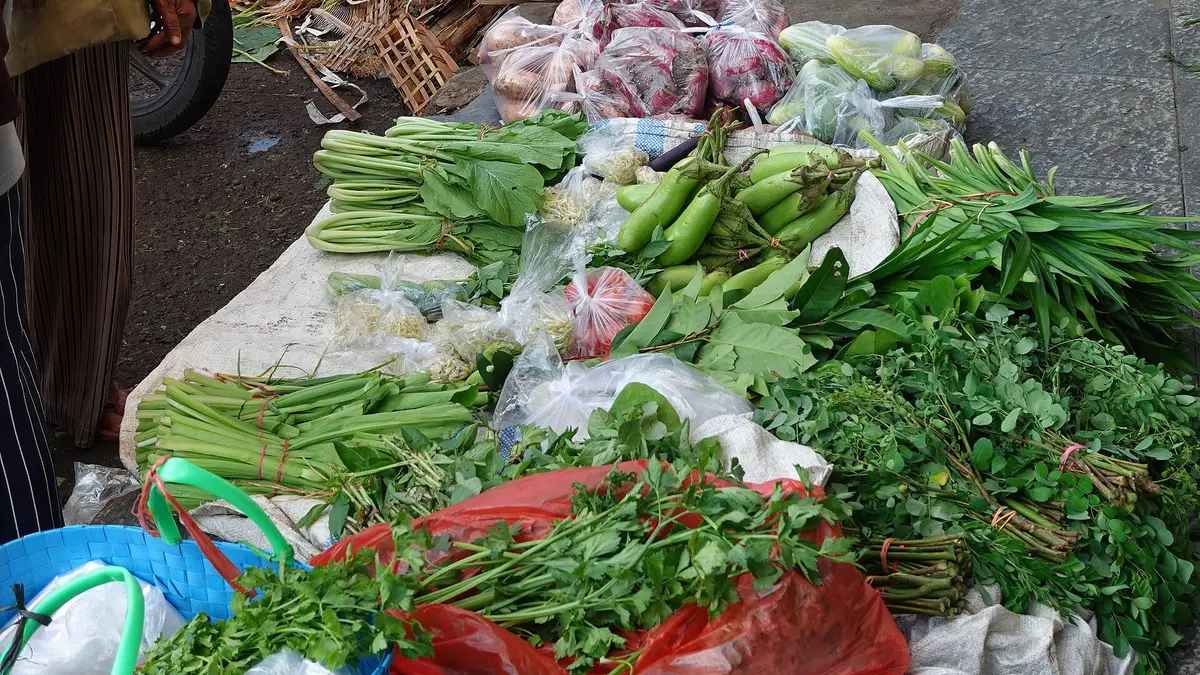
On a weekday in Jakarta, dinner often has to fit around school pick-ups, long commutes and children who are hungry the moment they walk in. Meal planning does not need to be complicated to help. A simple weekly rhythm, a freezer stocked with spice paste and a sensible shopping routine can take most of the daily decision-making off your plate. This guide sets out a practical approach for Indonesian households, with ideas that work just as well for families cooking Indonesian food abroad.
Start with how your week really works
Before choosing dishes, look honestly at the week ahead. Which evenings are late because of traffic or after-school activities? When does your helper, if you have one, take a day off? Which day can you get to the pasar or supermarket? Plan quick meals for the busy nights and save slower dishes, such as a long-simmered semur or rendang, for the weekend, then lean on the leftovers.
Write the plan somewhere everyone can see it: a whiteboard on the fridge or a pinned message in the family WhatsApp group works well. Ask older children to choose one dinner each week from a short list; they are often more willing to eat a meal they picked.
A simple weekly template
Giving each night a theme cuts down on decisions without making meals repetitive. Here is one example; swap themes to suit your family.
| Day | Theme | Example dishes |
|---|---|---|
| Monday | Soup night | Soto ayam or sayur sop with rice, perkedel on the side |
| Tuesday | Tempe and tahu | Tempe bacem, tahu goreng, tumis kangkung |
| Wednesday | Rice cooker meal | Coconut rice with ayam suwir, cucumber and egg |
| Thursday | Fish or egg | Ikan goreng or telur balado (mild portion set aside) |
| Friday | Fried rice or noodles | Nasi goreng or mie goreng using leftovers |
| Saturday | Slow cook | Semur daging, opor ayam or gulai |
| Sunday | Market and leftovers | Simple meals from what is fresh, plus planning next week |
Our easy Indonesian family dinners offer a full week of pairings built around ayam kecap if you want a ready-made starting point.
Batch-cook your bumbu
The most time-consuming part of many Indonesian dishes is making the spice paste. Doing it once, in bulk, saves a lot of weeknight effort. Pick a quiet weekend hour to blend or pound larger quantities of the three basic pastes:
- Bumbu putih (shallot, garlic, candlenut) for opor, sayur sop and many stir-fries.
- Bumbu merah (with red chilli and tomato) for balado and sambal goreng. Make a mild version for children and keep it separate from a hotter one.
- Bumbu kuning (with turmeric) for soto, gulai and yellow rice.
Fry each paste until fragrant and cooked through, let it cool, then freeze in ice-cube trays or small flat bags. Label each with the name and date and use within a few months. A cube or two dropped into a hot pan turns into a weeknight dish in minutes. Our bumbu basics guide explains each paste and how to fry it properly.
Let the rice cooker do more
Most Indonesian homes already rely on a rice cooker, and it can do more than plain rice. Coconut rice, nasi liwet-style rice with salam leaves and lemongrass, and yellow rice all cook with almost no attention. Some models include a steaming tray for vegetables, eggs or fish on top. See our simple Indonesian rice meals for rice-cooker coconut rice and easy bowl combinations.
One caution: cooked rice left at room temperature for long periods can become unsafe. Do not leave rice on the warm setting for days or let it sit out after the cooker is switched off. Cool leftover rice quickly, refrigerate it, and use it within a day or so for nasi goreng.
Shopping: pasar, supermarket and delivery
Many families combine a weekly trip to a traditional market for fresh produce with supermarket or app-based delivery for staples. A shopping list grouped by category makes either faster:
- Fresh produce: shallots, garlic, chillies, tomatoes, leafy greens, cucumbers, carrots, potatoes, limes.
- Lauk: chicken, eggs, fish, tempe, tahu.
- Aromatics: lemongrass, galangal, ginger, turmeric, salam and lime leaves.
- Pantry: rice, kecap manis, coconut milk, cooking oil, gula jawa, kerupuk.
Fresh greens and fish are best bought for the next two or three days, while roots, onions and pantry goods keep longer. Our guide to traditional food markets explains how pasar shopping works, from timing to bargaining.
Lunchboxes
Planning dinner with lunchboxes in mind saves another round of cooking. Extra perkedel, ayam kecap or a portion of nasi goreng can become the next day’s school lunch. Because packed food sits for hours in a warm climate, use an insulated bag with a cold pack and avoid foods that spoil quickly. Our Indonesian lunchbox ideas cover combinations and packing safety in more detail.
Leftovers and food safety in hot weather
Heat and humidity speed up spoilage, so a few habits matter more in Indonesia than in cooler climates:
- Do not leave cooked food out for long. A tudung saji keeps flies off the table but does not keep food cool. Refrigerate leftovers within about an hour in hot weather.
- Cool quickly. Divide large pots of soup or curry into shallow containers so they chill faster.
- Take care with coconut milk dishes. Santan-based dishes such as opor and lodeh spoil quickly at room temperature.
- Reheat thoroughly. Bring leftovers back until steaming hot all the way through, and reheat only the portion you need.
- Use leftovers promptly. Most cooked leftovers are best eaten within about three days; when in doubt, throw it out.
- Keep raw and cooked apart. Store raw chicken and fish on the lowest fridge shelf in sealed containers.
Planning with a helper
If an asisten rumah tangga cooks for your family, share the plan with her and ask for her input, since she often knows what is good at the market and what the children actually eat. Agree on food-safety habits together. Plan ahead for times when helpers go home, especially around Lebaran, by stocking the freezer with bumbu and a few ready meals.
Frequently asked questions
How far ahead should a busy family plan?
One week is usually enough. It lines up with a weekly shopping trip and is short enough to adjust when plans change.
Can I freeze cooked Indonesian dishes?
Many braised and dry dishes, such as semur, rendang and ayam kecap, freeze reasonably well. Coconut-milk soups may separate on reheating, so many cooks freeze the base and add santan when reheating.
What if the plan falls apart midweek?
Keep a few emergency meals in reserve: eggs, frozen bumbu, rice and a bag of frozen vegetables can become nasi goreng or telur dadar in minutes. A plan that leaves room for a relaxed weekend breakfast together is worth more than a perfect spreadsheet.
Keep reading
Recipes · Recipe
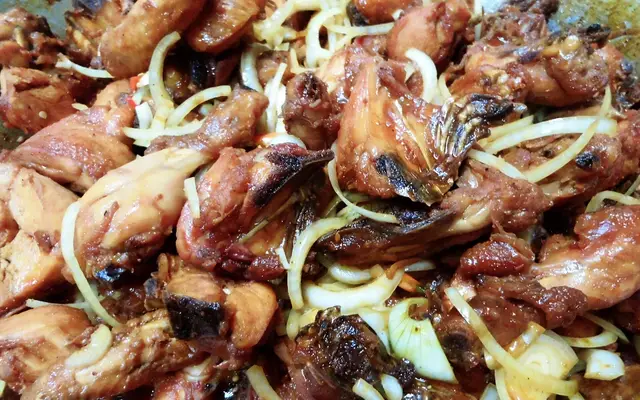
Easy Indonesian Family Dinners: Ayam Kecap and a Week of Pairings
A glossy sweet soy chicken that children love, plus seven simple Indonesian dinner pairings to carry you through the week.
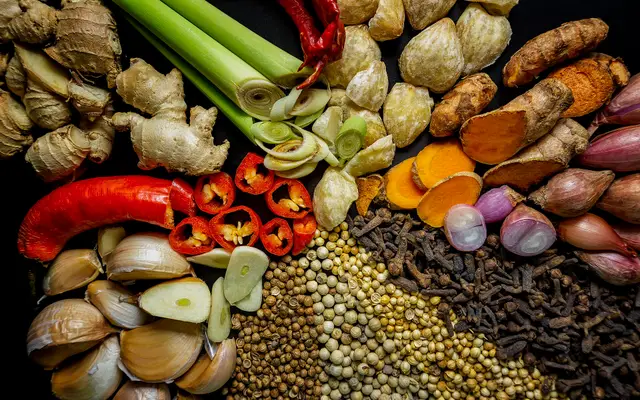
Bumbu Basics: How to Make Indonesian Spice Pastes at Home
The three base spice pastes behind countless Indonesian dishes, and how to grind, fry and freeze them.

Recipes · Recipe
Indonesian Lunchbox Ideas for Kids, with Easy Perkedel Kentang
Soft potato fritters made for small hands, plus ten Indonesian-inspired lunchbox combinations and tips for keeping packed lunches safe in the heat.