
Recipes · Recipe
Indonesian Lunchbox Ideas for Kids, with Easy Perkedel Kentang
Soft potato fritters made for small hands, plus ten Indonesian-inspired lunchbox combinations and tips for keeping packed lunches safe in the heat.

Packed lunches can feel repetitive, but Indonesian home cooking is full of small, portable foods that hold up well in a box: fritters, omelette rolls, sweet soy chicken, rice shaped into balls. This article starts with a recipe card for perkedel kentang, soft potato fritters that many Indonesian children grow up eating, and then gives you ten lunchbox combinations built around familiar flavours, plus practical food-safety advice for packed lunches in hot weather.
What perkedel kentang is
Perkedel are savoury fritters, and the potato version (kentang means potato) is the best known. The name is widely believed to come from the Dutch “frikadel”, a kind of meatball, and the dish reflects that colonial-era exchange: mashed potato seasoned with fried shallot, nutmeg and pepper, sometimes mixed with minced meat or corned beef, then dipped in egg and fried until golden. They are a common side for soto ayam, sayur sop and nasi kuning, and they are equally at home cold in a lunchbox.
Ingredients and substitutions
Potatoes. Floury potatoes mash smoothly and hold together. Waxy potatoes can become gluey. In Indonesia, potatoes are often fried before mashing, which gives a richer, nuttier flavour; steaming is lighter and works well too.
Fried shallots. They give perkedel their characteristic flavour. Ready-fried shallots from a jar save time.
Meat. Shredded leftover chicken, cooked mince or canned corned beef are all traditional. Leave it out for a vegetarian version.
Nutmeg. A small amount is typical and gives a warm, slightly sweet note. Do not overdo it.
Technique tips
- Mash while warm. Cold potato turns lumpy.
- Chill before frying. Even 15 minutes in the fridge helps the patties keep their shape.
- Do not move them too soon. Let the egg coating set before turning, or it will tear.
- Cool completely before packing. Warm food sealed in a box creates condensation and warmth that encourages bacteria to grow.
Children can help mash, mix and shape perkedel, while an adult handles the hot oil. Our guide to age-appropriate kitchen tasks for kids suggests what different ages can safely do, and cooking with children in an Indonesian kitchen covers setting up a safe space.
Ten Indonesian lunchbox ideas
These combinations are meant as mix-and-match ideas rather than strict recipes. Most use leftovers or quick-to-cook items.
- Perkedel and fruit: two perkedel, cucumber sticks and a few pieces of watermelon or papaya.
- Mini chicken burgers: small chicken patties (seasoned with garlic, a little kecap manis and white pepper) in soft mini buns with lettuce and cucumber. Cook the patties through, cool, then assemble in the morning.
- Ayam kecap rice box: leftover sweet soy chicken, cut into small pieces, with rice and blanched green beans. The ayam kecap recipe works well cold or reheated.
- Rice balls with abon: small balls of rice rolled in mild chicken or beef floss, with cherry tomatoes cut into quarters for younger children.
- Telur dadar gulung: rolled omelette with spring onion, sliced into rounds, with rice or bread.
- Tempeh and tofu bites: sweet-braised tempeh and tofu cubes, with rice and carrot sticks.
- Bakwan sayur: vegetable fritters with cabbage, carrot and bean sprouts, served with a small pot of mild sweet soy dip.
- Nasi goreng box: mild fried rice with diced egg and peas. Pack with an ice pack, as cooked rice needs to stay cold.
- Lemper-inspired rolls: sticky rice with shredded chicken wrapped in a clean sheet of baking paper instead of banana leaf, cut into short pieces.
- Sweet treat day: a small piece of kue lapis or a slice of banana bread alongside fruit and a savoury item.
Making lunchboxes child-friendly and safe
- Cut for age. For children under four, quarter cherry tomatoes and grapes lengthwise, avoid whole nuts and popcorn, and cut sausages and meat into small pieces rather than coins.
- Keep it mild. Leave chilli out of packed food. Children who like heat can add sambal at home.
- Check allergy rules. Many schools in Indonesia and elsewhere restrict peanuts, so check before packing peanut sauce or peanut snacks. Read labels on abon, crackers and sauces for egg, soy and shellfish. Ask your paediatrician about any allergy concerns.
Food safety in hot weather
Jakarta’s heat and humidity make packed-lunch safety especially important, and the same applies on summer days elsewhere.
- Cook food thoroughly and cool it quickly; refrigerate cooked items within an hour.
- Pack lunches cold from the fridge, never warm, and use an insulated bag with an ice pack.
- Cooked rice, egg dishes, chicken and coconut-based foods are higher-risk. Without an ice pack, they should not sit at room temperature for more than about two hours, and less on very hot days.
- Use clean, dry containers, and wash and dry lunchboxes fully every day.
- Encourage hand-washing before eating, and teach children to throw away, not save, leftovers that have sat in the bag all day.
For a week-by-week approach to cooking extra at dinner for the next day’s lunchbox, see our article on meal planning for busy families.
Indonesian Lunchbox Ideas for Kids, with Easy Perkedel Kentang — recipe
Ingredients
- 700 g floury potatoes (such as russet or Maris Piper), peeled and cut into 3 cm chunks
- Vegetable oil for frying (about 300 ml for shallow frying, plus 1 tbsp)
- 4 shallots, thinly sliced (or 3 tbsp ready-fried shallots)
- 2 cloves garlic, finely chopped
- 100 g cooked chicken, finely shredded, or cooked minced beef (optional)
- 2 spring onions, finely sliced
- 1 stalk Chinese celery (seledri) or 2 tbsp parsley, finely chopped
- 3/4 tsp salt
- 1/4 tsp ground white pepper
- 1/4 tsp ground nutmeg
- 1 egg yolk, for the mixture
- 2 eggs, beaten, for coating
Method
- Pat the potato chunks dry. Heat about 2 cm of oil in a frying pan over medium heat and fry the potatoes in batches for 8–10 minutes, turning, until golden outside and completely soft inside. Alternatively, steam them for 15–18 minutes until tender, then dry them in a warm pan.
- While the potatoes are still warm, mash them thoroughly in a large bowl until smooth.
- If using raw shallots, fry them in the same oil over medium-low heat for 4–6 minutes until golden and crisp, then drain on paper. Fry the garlic for 30 seconds until pale gold and drain.
- Add the fried shallots, garlic, chicken or beef, spring onion, celery, salt, white pepper and nutmeg to the mashed potato. Mix well, taste and adjust the seasoning.
- Let the mixture cool for 10 minutes, then mix in the egg yolk until evenly combined. The mixture should be soft but hold its shape.
- With lightly oiled hands, shape the mixture into about 16 balls the size of a walnut in its shell, then flatten each into a patty about 1.5 cm thick. Smooth the edges so they do not crack.
- Place the patties on a tray and chill for 15 minutes, if you have time, to help them hold together.
- Pour off most of the oil, leaving about 1 cm, and heat over medium heat. Test the heat with a drop of beaten egg; it should sizzle gently.
- Dip each patty in the beaten egg, letting the excess drip off, and lower it into the oil. Fry in batches for 2–3 minutes per side until golden and lacy around the edges.
- Drain on a rack or kitchen paper. Cool completely on a rack before packing into lunchboxes.
Notes
- Allergens: contains egg. For an egg-free version, bind the mixture with 1 tbsp cornflour and coat the patties in a light dusting of flour or breadcrumbs instead of egg.
- Make ahead: shape the patties and freeze them uncoated on a tray, then bag them. Thaw overnight in the fridge, dip in egg and fry.
- Storage: cooked perkedel keep for 2 days in the fridge. Pack them cold with an ice pack rather than warm.
- Kid-friendly: perkedel contain no chilli. For under-fours, cut into small pieces and make sure they are cool.
Keep reading
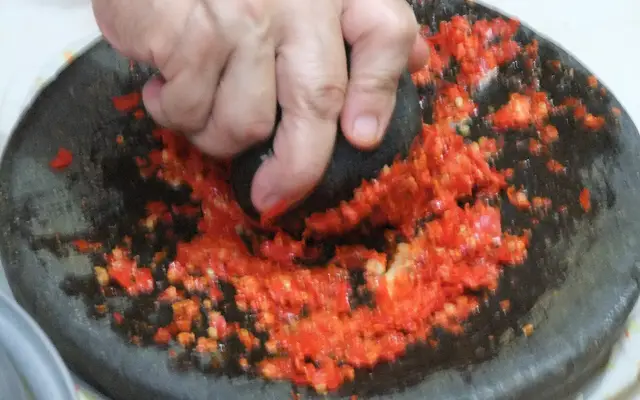
Cooking With Children in an Indonesian Kitchen: A Practical Start
Why cooking together is worth the mess, how to make a typical Indonesian kitchen safe for small helpers, and which dishes to try first.

Age-Appropriate Kitchen Tasks for Kids: A Guide by Age Band
From washing kangkung at two to cooking nasi goreng at twelve: a realistic, safety-first guide to kitchen tasks by age.
Recipes · Recipe
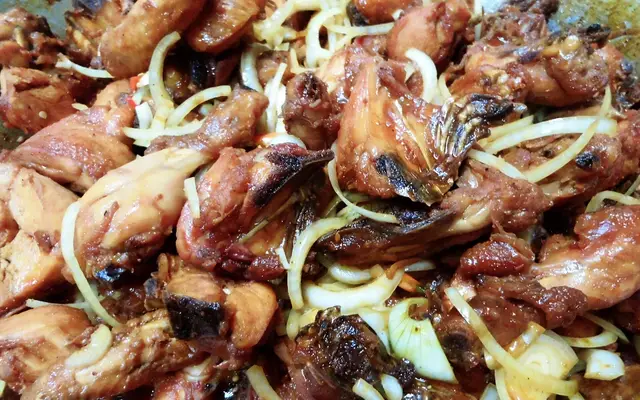
Easy Indonesian Family Dinners: Ayam Kecap and a Week of Pairings
A glossy sweet soy chicken that children love, plus seven simple Indonesian dinner pairings to carry you through the week.