
Recipes · Recipe
Easy Indonesian Family Dinners: Ayam Kecap and a Week of Pairings
A glossy sweet soy chicken that children love, plus seven simple Indonesian dinner pairings to carry you through the week.
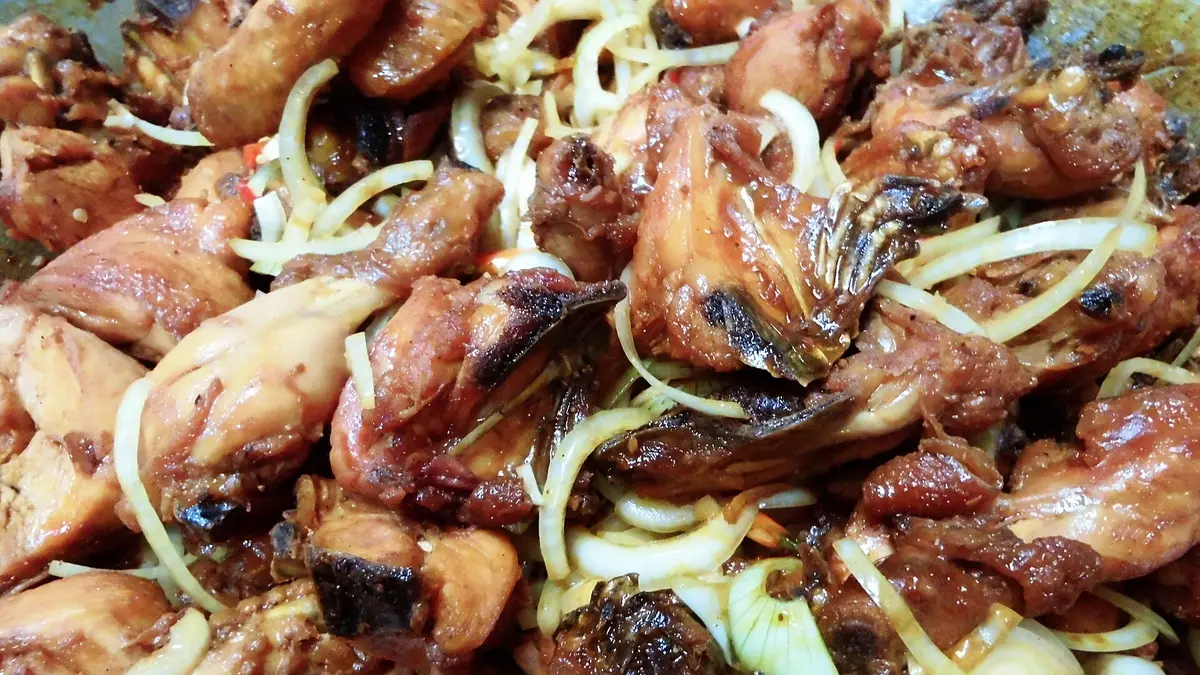
Ayam kecap, chicken braised in sweet soy sauce, is one of the most dependable dishes in Indonesian home cooking. It needs no special spice paste, uses ingredients most kitchens already have, and produces tender chicken in a glossy, sweet-savoury sauce that is almost designed to be spooned over rice. Because the heat is optional, it is also one of the easiest Indonesian dishes to cook once for adults and children at the same table.
This article gives you a recipe card for ayam kecap and, below it, a week of simple dinner pairings that use the same everyday pantry.
What ayam kecap is
“Ayam” means chicken and “kecap” (pronounced roughly “ketchup”) means soy sauce. In Indonesia the word kecap on its own usually refers to kecap manis, the thick, sweet soy sauce sweetened with palm sugar. Ayam kecap is part of a wider family of dishes cooked “masak kecap” style, including fish, tofu, tempeh, eggs and beef. You will find it in home kitchens, in canteens and at buffet-style warung, and the Chinese-Indonesian versions, often with ginger, spring onion and a hint of nutmeg or star anise, are particularly well known. Some restaurant versions use pork or add rice wine; this home version uses chicken and no alcohol, so it suits halal kitchens.
Key ingredients and substitutions
Kecap manis. The heart of the dish. Brands vary in sweetness and thickness, so taste the sauce at the end and adjust. Outside Indonesia, look for it in Asian grocers, or make a substitute by simmering dark soy sauce with dark brown or palm sugar until syrupy. Our pantry essentials guide has more on choosing and storing it.
Chicken. Bone-in thighs and drumsticks give the most flavour and stay juicy. Boneless thighs cook faster and are easier for children. Breast meat works but should be added later and simmered briefly so it does not dry out.
Aromatics. Shallots, garlic and ginger do most of the work. Lemongrass and salam leaves add fragrance but are optional. Nutmeg is a traditional touch in some families and gives a warm, rounded note.
Lime. Rubbing the chicken with lime and salt is a common Indonesian step said to freshen the meat. Lemon works too.
Technique tips
- Brown well. The colour on the chicken adds flavour to the sauce. Do not crowd the pan.
- Cook the shallots slowly. Soft, lightly caramelised shallots make the sauce sweeter and deeper.
- Reduce at the end. Simmering uncovered for the last few minutes thickens the sauce to a glaze. Kecap manis contains sugar, so lower the heat if it starts catching.
- Add tomatoes last. They should hold their shape and give a fresh, slightly sour contrast.
A week of simple Indonesian dinner pairings
A typical Indonesian family dinner pairs rice with one or two main dishes, a vegetable and something crunchy or fresh. The table below is a starting point for a mild, family-friendly week. Sambal can always sit on the side.
| Day | Main | Vegetable or side | Notes |
|---|---|---|---|
| Monday | Ayam kecap | Stir-fried green beans with garlic | Cook a double batch for Wednesday |
| Tuesday | Tempeh and tofu bacem (sweet braised, then fried) | Sayur bening (clear spinach and corn soup) | A gentle, meat-free night |
| Wednesday | Leftover ayam kecap, shredded | Cucumber and tomato | Turn into rice bowls with a fried egg |
| Thursday | Ikan goreng (pan-fried fish with turmeric and garlic) | Tumis kangkung (stir-fried water spinach) | Check carefully for bones for children |
| Friday | Nasi goreng with egg | Acar (quick cucumber and carrot pickle) | Uses up the week’s leftover rice |
| Saturday | Soto ayam | Rice, lime, bean sprouts | A relaxed weekend pot |
| Sunday | Perkedel and fried chicken | Sayur sop (chicken and vegetable soup) | Make extra perkedel for lunchboxes |
For Friday, our nasi goreng recipe includes a chilli-free version. Saturday’s soup is covered in our soto ayam recipe, and the coconut rice in simple Indonesian rice meals is an easy upgrade for any night.
Making the week easier
Cook rice once a day and store leftovers safely in the fridge. Fry a batch of shallots on the weekend and keep them in an airtight jar. Many families also prepare a basic garlic and shallot paste in bulk, then freeze it in portions. Our article on meal planning for busy families shows how to build a weekly template and shopping list around these habits.
Making it child-friendly
Ayam kecap is often one of the first Indonesian dishes children ask for, thanks to its sweetness. Leave out the chilli entirely and serve sambal separately; our guide to family-friendly Indonesian meals explains why the sambal-on-the-side approach works so well. For toddlers, remove the meat from the bone, check for small bones and cut it into small pieces. Keep children away from the stove while the sugary sauce reduces, as it gets very hot and sticks to skin. If you have questions about soy or shellfish allergies, ask your paediatrician.
Serving suggestions
Serve ayam kecap with plenty of steamed white rice, a simple green vegetable and a few slices of cucumber. Fried shallots and prawn crackers add crunch. Leftovers make excellent sandwich fillings or rice bowls the next day.
Easy Indonesian Family Dinners — recipe
Ingredients
- 1 kg bone-in chicken thighs and drumsticks (or 700 g boneless skinless thighs, cut into large pieces)
- 1 tbsp lime juice
- 1 tsp salt, divided
- 3 tbsp vegetable oil
- 1 medium onion, sliced into thin wedges
- 5 shallots, thinly sliced
- 4 cloves garlic, finely chopped
- 3 cm ginger, peeled and julienned or grated
- 1 large red chilli, sliced (optional; omit for children)
- 2 Indonesian bay leaves (daun salam), optional
- 1 stalk lemongrass, bruised
- 5 tbsp kecap manis (Indonesian sweet soy sauce)
- 1 tbsp light soy sauce
- 1 tbsp oyster sauce (optional)
- 1/4 tsp ground white pepper
- 1/4 tsp ground nutmeg (optional)
- 350 ml water
- 2 medium tomatoes, cut into wedges
- 2 spring onions, cut into 3 cm lengths
- To serve: steamed rice and fried shallots
Method
- Rub the chicken with the lime juice and 1/2 tsp salt and set aside for 10 minutes while you prepare the vegetables. Pat dry with kitchen paper.
- Heat 2 tbsp oil in a wide, heavy pan or wok over medium-high heat. Brown the chicken in batches, skin side down first, for 3–4 minutes per side until golden. It does not need to be cooked through. Transfer to a plate.
- Pour off all but about 1 tbsp of the fat, add the remaining 1 tbsp oil and lower the heat to medium.
- Add the onion and shallots and cook for 4–5 minutes, stirring, until soft and lightly golden.
- Add the garlic, ginger, chilli (if using), bay leaves and lemongrass and cook for 1–2 minutes until fragrant.
- Stir in the kecap manis, soy sauce, oyster sauce, white pepper and nutmeg and let it bubble for 30 seconds.
- Return the chicken and any juices to the pan, add the water and remaining 1/2 tsp salt, and stir to coat.
- Bring to the boil, then cover and simmer gently for 20 minutes for bone-in pieces (12 minutes for boneless), turning the chicken once.
- Uncover and simmer for another 5–10 minutes, spooning the sauce over the chicken, until the sauce has reduced to a glossy glaze and the chicken is cooked through, with juices running clear and no pink near the bone.
- Add the tomato wedges and spring onion and cook for 1–2 minutes, just until the tomato softens slightly.
- Taste the sauce and adjust with a little more salt or kecap manis. Remove the lemongrass and bay leaves.
- Serve hot with steamed rice, scattered with fried shallots.
Notes
- Kid-friendly: leave out the chilli and cook one mild pot; serve sliced chilli or sambal at the table for adults.
- Allergens: contains soy (kecap manis, soy sauce). Oyster sauce contains shellfish; leave it out or use a mushroom-based vegetarian oyster sauce if needed.
- For young children, take the meat off the bone and cut it into small pieces, checking carefully for small bones.
- Storage: keeps for 2 days in the fridge or 2 months in the freezer. Reheat until piping hot throughout. The flavour often improves overnight.
Keep reading
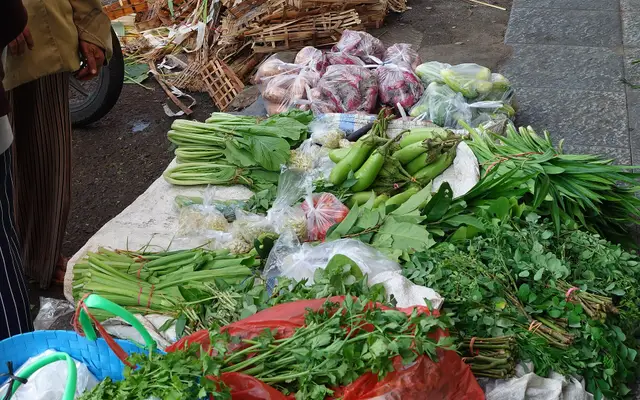
Meal Planning for Busy Families: An Indonesian Kitchen Approach
A weekly template, a freezer of spice pastes and a smarter shopping list: meal planning that fits Jakarta traffic and school runs.
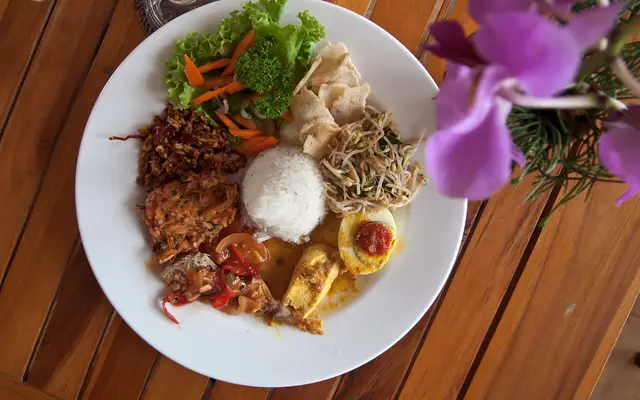
Family-Friendly Indonesian Meals the Whole Table Can Share
One pot, several heat levels: mild Indonesian dishes for the whole family and how a condiment tray keeps everyone happy.
Recipes · Recipe
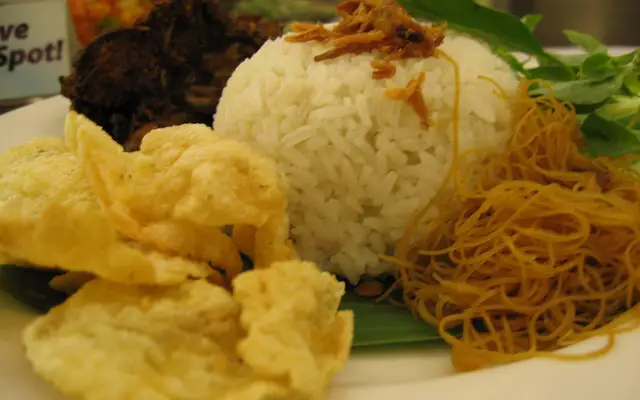
Simple Indonesian Rice Meals: Rice-Cooker Coconut Rice and Easy Bowls
Fragrant rice-cooker coconut rice plus five easy Indonesian-style rice bowl ideas for busy weeknights.