
Jakarta Restaurants · Guide
How to Choose Family-Friendly Restaurants in Jakarta: A Parent's Guide
What to look for when eating out with children in Jakarta, from mall food courts and mild menus to timing your trip around traffic.
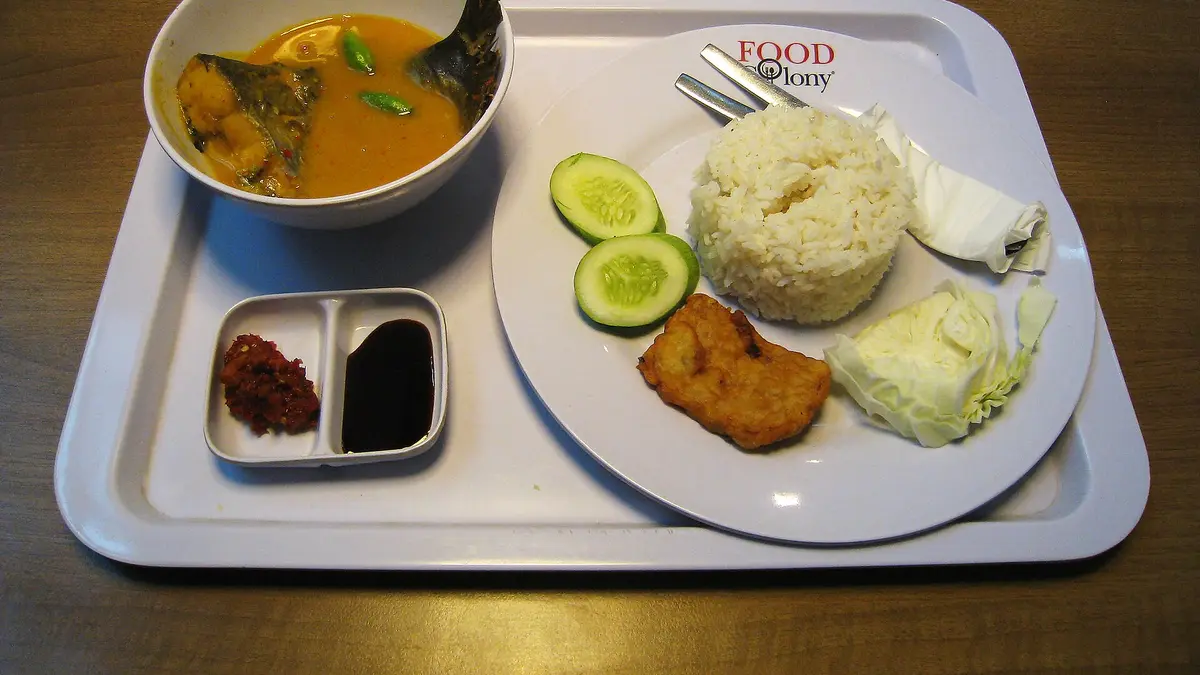
Eating out with children in Jakarta is mostly a planning problem rather than a food problem. Indonesian food culture is relaxed about children at the table; what makes a meal go well or badly is usually the journey, the wait for a table, the heat, and whether there is one dish a small person will happily eat. This guide covers what to look for, how to time a family meal around traffic, and the safety points worth knowing. It does not review individual restaurants, because venues in the city open, move and close often.
What makes a restaurant work for families in Jakarta
Most families in the city end up choosing between three broad types of place, and each has its own strengths.
Mall restaurants and food courts
Jakarta’s shopping malls are, in practice, the city’s main family dining rooms. They are air-conditioned, with clean toilets, nursing rooms (ruang menyusui) in larger malls, lifts for strollers, covered parking and ride-hailing pick-up points. Many have a children’s play zone, which makes waiting much easier.
Food courts suit mixed tastes. One adult can queue for soto while another finds plain rice and fried chicken, and the communal, noisy seating is a relief when a toddler is having a loud day.
Stand-alone restaurants and garden-style eateries
Outside the malls, many larger Indonesian restaurants, particularly Sundanese-style places, have open-sided pavilions, lesehan seating on floor mats, and gardens with fish ponds. Children often love the space and the freedom to sit on the floor. The trade-offs are heat, mosquitoes in the evening, and ponds or water features that need constant adult attention with toddlers.
Hotel restaurants and brunch venues
Hotel restaurants tend to have high chairs, predictable menus and staff used to international families. Weekend brunches in particular often include a children’s corner or a supervised play area. These are usually booked ahead, especially around school holidays and public holidays.
A quick checklist before you go
It is worth checking a few practical details on a map app, the venue’s social media, or by sending a message before setting off.
| What to check | Why it matters |
|---|---|
| High chairs or booster seats | Not every warung or small restaurant has them |
| Baby-changing area or nursing room | More common in malls than in stand-alone restaurants |
| Stroller access | Steps, narrow aisles and broken pavements are common outside malls |
| Non-spicy dishes | Many sauces and stir-fries have chilli added by default |
| Halal status | Matters for many families; see the section below |
| Smoking areas | Some places have open-air smoking sections close to diners |
| Parking or drop-off point | Makes arrival in the rain much easier |
Menus that suit children
Indonesian food has plenty of naturally mild dishes, and most kitchens are happy to leave the chilli out if you ask. Useful dishes to look for include:
- Nasi putih with ayam goreng (plain rice and fried chicken), probably the most reliable children’s order in the country.
- Soto ayam, a clear turmeric chicken soup; ask for sambal on the side.
- Bakso, meatball soup, which most children enjoy (see the safety note on round foods below).
- Nasi tim or bubur ayam, soft steamed rice or rice porridge with chicken, gentle on younger children.
- Perkedel, potato fritters, and tahu or tempe goreng, fried tofu or tempeh.
- Sate ayam, chicken skewers, which can be served with sweet soy sauce instead of peanut sauce.
- Mie goreng or nasi goreng made without chilli.
The magic phrase is tidak pedas (not spicy), or sambalnya dipisah (sambal on the side). For more ideas on building a shared table where everyone eats the same core dishes, see our guide to family-friendly Indonesian meals, and for a gradual approach to chilli and stronger flavours, introducing children to Indonesian flavours. If your children like skewers, the Indonesian satay guide explains the different regional styles and sauces.
Timing your meal around Jakarta traffic
Traffic shapes family dining in Jakarta more than anything else. A restaurant twenty minutes away at one time of day can be an hour or more away at another.
- Eat early. Arriving before the lunch or dinner rush means shorter waits and faster food. Avoid driving across the city in the weekday evening commute.
- Stay local on weekdays. Pick somewhere in your own area for school-night meals and save cross-city trips for weekends.
- Use public transport where it fits. The MRT north–south line is air-conditioned, has lifts at stations and links several malls and business districts. TransJakarta buses cover far more of the city, though peak-hour crowding can be hard with a stroller. Our neighbourhood dining guide covers which areas are easiest to reach by rail.
- Watch for road rules and events. Odd-even number-plate restrictions apply on some main roads at certain times, and the Sunday morning car-free day closes stretches of the central Sudirman–Thamrin corridor to cars, which affects drop-offs nearby.
- Plan for rain. During the rainy season, roughly from late in the year into the early months of the next, afternoon downpours can cause flooding and sudden spikes in ride-hailing demand. A mall restaurant with covered parking is the safest choice on a wet evening, and booking a car a little earlier than you need it helps.
Safety with young children
A few precautions make restaurant meals safer for small children.
- Choking hazards. For children under four, cut round foods such as bakso, grapes and cherry tomatoes into small pieces, and skip whole nuts. Gado-gado and some salads are garnished with whole or crushed peanuts, and some snacks contain whole peanuts.
- Peanut allergy. Peanut sauce appears on satay, gado-gado, ketoprak, siomay and more, and allergen labelling on restaurant menus is limited. Ask clearly (ada kacang? means “is there peanut?”) and, for allergy questions, talk to your paediatrician before travelling or eating out.
- Heat. Soup bowls arrive very hot, sizzling hot-plate dishes are popular, and some Japanese and Korean grills are built into the table. Seat small children away from the grill and the serving side.
- Chilli on hands. If children eat with their hands, make sure no sambal is within reach, and wash hands before they touch their eyes.
- Hand-washing. Many restaurants have a sink (wastafel) in the dining room because eating with the hand is common. Wipes and hand sanitiser are still useful in a day bag.
- Water and ice. Stick to bottled or filtered drinking water. Ice in established restaurants and malls is usually factory-made, but if you are unsure, order drinks without ice (tanpa es).
Halal labels and dietary needs
Indonesia is a majority-Muslim country, and most restaurants serve halal food. Look for the official halal logo issued by the national halal authority, usually displayed near the entrance or on the menu. A sign saying “no pork, no lard” is not the same as halal certification, since the kitchen may still use alcohol in cooking or source meat differently. Chinese-Indonesian, Japanese, Korean and some Western restaurants may serve pork or cook with wine, mirin or sake. If it matters to your family, ask staff directly; most are used to the question.
Sunday brunch and special occasions
For birthdays and gatherings, larger restaurants often have private rooms for groups. Hotel brunch buffets are popular because everyone chooses their own food; book ahead, ask about a children’s area, and watch small children around carving stations and hot food lines.
Frequently asked questions
Are children welcome in most Jakarta restaurants?
Generally yes. Indonesian dining culture is family-oriented, and children are a normal sight in restaurants, food courts and warung. Some bars, fine-dining rooms and late-night venues are less suitable, so check before booking.
What is the easiest kind of place to start with?
A mall food court or a mall restaurant. You get air-conditioning, toilets, lifts, a wide choice of mild food and an easy exit if a child gets tired.
How do I ask for food without chilli?
Say tidak pedas (not spicy) or tanpa cabai (without chilli). To keep sambal for the adults, ask for sambalnya dipisah, meaning the sambal served separately.
Keep reading
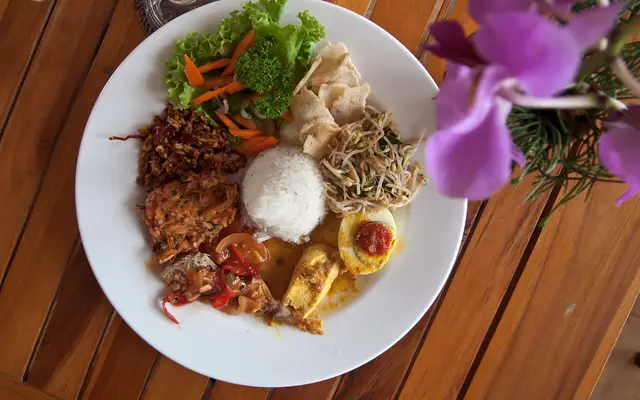
Family-Friendly Indonesian Meals the Whole Table Can Share
One pot, several heat levels: mild Indonesian dishes for the whole family and how a condiment tray keeps everyone happy.

Jakarta Dining by Neighbourhood: Where to Eat and What to Expect
What each Jakarta dining district is known for, from old Menteng and Glodok to Senopati, PIK and BSD, and how to get there.
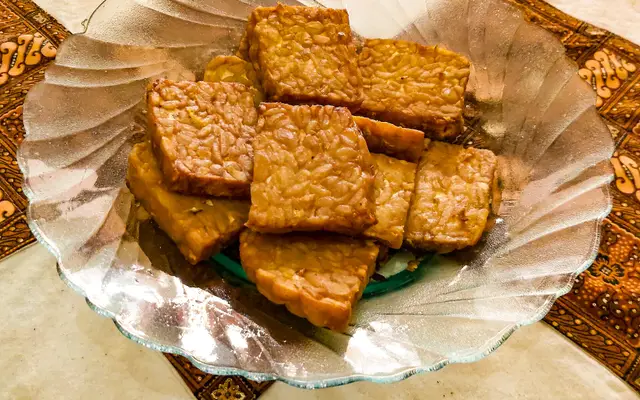
Introducing Children to Indonesian Flavours, One Step at a Time
Sweet soy, coconut, lemongrass and, eventually, chilli: a patient, step-by-step way to help children enjoy Indonesian food.