
Jakarta Restaurants · Researched guide — not a first-hand review
Glodok and Petak Sembilan: A Food Guide to Jakarta's Chinatown
What to eat around Petak Sembilan and Gang Gloria in Glodok, Jakarta's Chinatown, with notes on temples, festivals and pork.
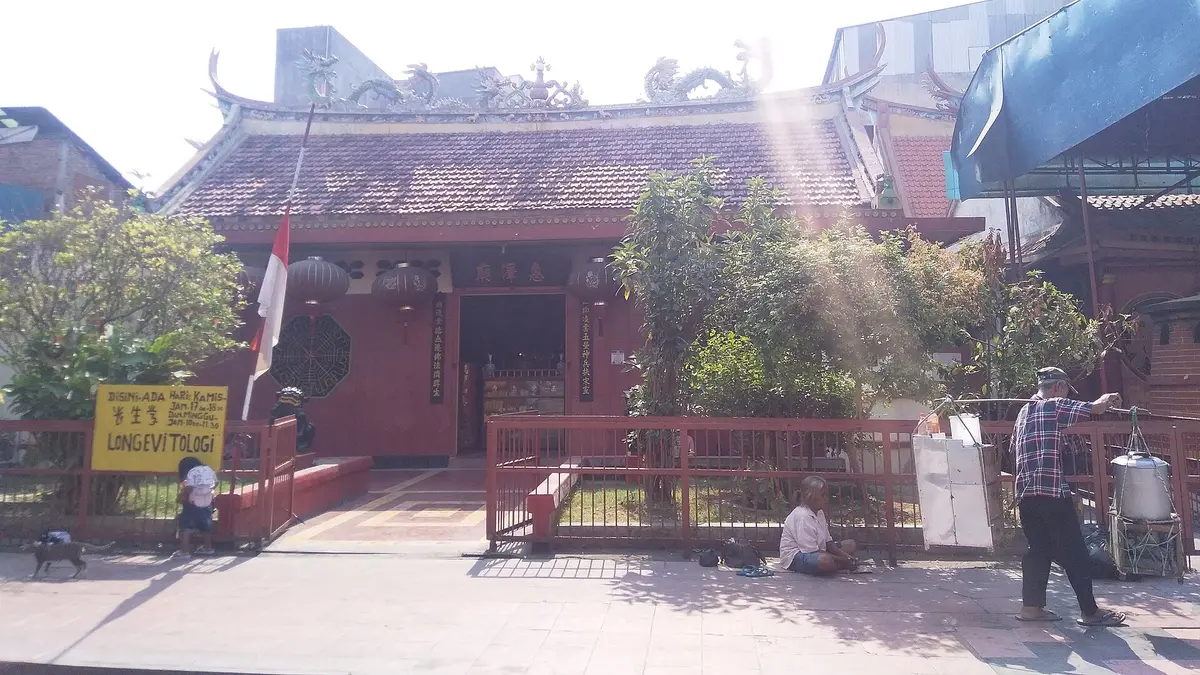
Glodok is Jakarta’s Chinatown, a dense district of narrow lanes, shophouses, temples and markets just south of the old Dutch town of Batavia, now Kota Tua. For food lovers it is one of the most rewarding parts of the city to explore on foot, because Chinese-Indonesian cooking here has developed over centuries into something distinct from both mainland Chinese and other Indonesian food. The Petak Sembilan area and the alley known as Gang Gloria sit at its heart. This guide explains what to eat, how the area fits together, and what to know about pork, halal food and festival days.
A note before you go: the editorial team has not visited the places named below. They are included because they are long-established and widely known, but businesses in Glodok change hands, move or close like anywhere else, so check current status and location on a map app before you travel.
A short background
Chinese traders and settlers were present in the Batavia area from its earliest colonial days. After the violence of 1740, the Dutch authorities required the Chinese community to live outside the city walls, and Glodok grew into the main Chinese quarter. Over the following centuries it became a commercial hub, and the community developed its own Peranakan and Chinese-Indonesian food traditions, mixing Hokkien, Hakka and Cantonese techniques with local ingredients such as kecap manis, coconut and chilli.
The name Petak Sembilan is usually explained as referring to an old grouping of nine plots or blocks, though accounts vary. Today the name is used loosely for the market lanes around Jalan Kemenangan and the nearby temples.
Getting there
- TransJakarta: the main north–south busway corridor along Sudirman, Thamrin and Gajah Mada has a stop at Glodok, a short walk from the market area.
- KRL commuter train: Jakarta Kota station is within reach on foot or by a short ride-hailing trip.
- MRT: the northern extension of the MRT toward Kota is under construction; check its progress before planning around it.
- Ride-hailing: motorbike taxis handle the narrow lanes better than cars.
Go in the morning. The market is busiest and freshest early, many food stalls sell out by early afternoon, and the midday heat is tiring in the lanes. Glodok is low-lying, so heavy rain in the wet season can flood streets; check conditions before setting out.
Gang Gloria and old-style coffee
Gang Gloria is a narrow alley off the main market streets, long associated with small eateries that have served the area for decades. The most frequently mentioned is Kopi Es Tak Kie, an old coffee shop known for iced coffee (kopi es), which has been described for many years as one of Glodok’s best-known institutions. The alley is a good place to find old-style breakfast and lunch dishes, simple noodle stalls and snacks.
The coffee culture here follows the Chinese-Indonesian kopitiam tradition: strong coffee, often with sweetened condensed milk, served hot or over ice, alongside simple dishes rather than elaborate menus.
Another place often mentioned is Pantjoran Tea House, which occupies a restored historic building at the Glodok–Pancoran corner. It is associated with the revival of a local tradition of setting out teapots of free tea for passers-by, a custom commonly linked to a Chinese community leader of the colonial era.
What to eat
Bakmi
Wheat-and-egg noodles tossed in seasoned oil and topped with minced or sliced meat, greens and wontons, often with a bowl of broth on the side. In Glodok, many bakmi stalls use pork and pork fat, which is central to the traditional flavour. Chicken versions also exist. Ask before ordering if this matters to you.
Choi pan
Choi pan (also spelled chai kue) are translucent steamed dumplings with a thin rice-and-tapioca skin, filled with jicama (bengkuang), chives, taro or bamboo shoot, often topped with fried garlic and served with chilli sauce. They are associated with Hakka and Teochew cooking from West Kalimantan and are a common Glodok snack. Many fillings are vegetable-based, which makes them a good option for those avoiding meat, though it is still worth asking about the cooking fat.
Bakcang and other rice snacks
Bakcang are pyramid-shaped parcels of glutinous rice with savoury fillings, wrapped in bamboo leaves and boiled. They are especially visible around the Dragon Boat Festival. Fillings range from pork to chicken and mushroom.
Noodle soups, rice plates and offal stews
Glodok has many stalls selling noodle soups, rice with roast or braised meats, and traditional stews of pork and offal cooked in soy and spices. These are some of the most traditional dishes in the area, and many are non-halal.
Snacks and sweets
Look for cakwe (long fried dough sticks), bakpao (steamed buns), mooncakes ahead of the Mid-Autumn Festival, kue keranjang (sticky rice cakes) before Chinese New Year, herbal drinks and cooling teas from traditional medicine shops, and iced desserts sold from carts. If you enjoy dim sum and snacks of this kind, our guide to traditional Hong Kong dim sum explores the Cantonese side of the family tree.
Temples, churches and the market
Food in Glodok is tied up with its religious and community life:
- Vihara Dharma Bhakti (also known as Jin De Yuan) is one of the oldest Chinese temples in Jakarta, with origins usually dated to the seventeenth century. It was badly damaged by fire in 2015 and has since been restored.
- Gereja Santa Maria de Fatima is a Catholic church housed in a building with traditional Chinese architecture, a striking reminder of the area’s mixed history.
- The Petak Sembilan market lanes sell dried goods, spices, herbs, Chinese sausages, ritual items, fresh produce and live animals such as frogs and fish.
When visiting temples, dress modestly, keep voices low, do not step over offerings and ask before photographing worshippers. Our guide to traditional food markets in Indonesia has general advice on market etiquette.
Chinese New Year and Cap Go Meh
Chinese New Year (Imlek) has been a national public holiday in Indonesia since the early 2000s, and Glodok is the city’s focal point for it. In the weeks before, the market fills with red lanterns, decorations, kue keranjang and mandarin oranges. Temples are crowded on the eve and the day itself, and Cap Go Meh, fifteen days later, brings further celebrations. Expect heavy crowds, closed roads and limited parking; public transport and early arrival help.
Pork, lard and halal food
Many of Glodok’s traditional dishes contain pork or are cooked with lard, and some stalls serve alcohol. At the same time, halal Chinese-Indonesian food is common in Jakarta, and the area has halal options too. Useful phrases are ada babi? (is there pork?), pakai minyak babi? (do you use pork fat?) and ini halal? (is this halal?). Look for the official Indonesian halal logo where it is displayed. Vendors are used to these questions and will usually answer plainly.
Practical tips
- Wear comfortable shoes and light clothing; the lanes are crowded and hot.
- Carry small notes and coins, as many stalls are cash-first, though digital payments are increasingly accepted.
- Bring hand sanitiser and tissues.
- Eat at busy stalls and favour food cooked fresh and served hot.
- Combine a morning in Glodok with the museums of Kota Tua nearby. For other parts of the city, see our Jakarta neighbourhood dining guide, and for dishes found across the city, the Jakarta street food guide.
Frequently asked questions
Is food in Glodok halal?
Some of it is, but many traditional Chinese-Indonesian dishes in Glodok use pork or lard. Ask each vendor, and look for the official halal logo if you need certified food.
What is the best time to visit Petak Sembilan?
Mornings are best for the market, fresh food and cooler temperatures. The weeks before Chinese New Year are the most colourful but also the most crowded.
How do I get to Glodok by public transport?
TransJakarta has a Glodok stop on its main north–south corridor, and Jakarta Kota KRL station is nearby. The MRT extension toward Kota is under construction.
Keep reading
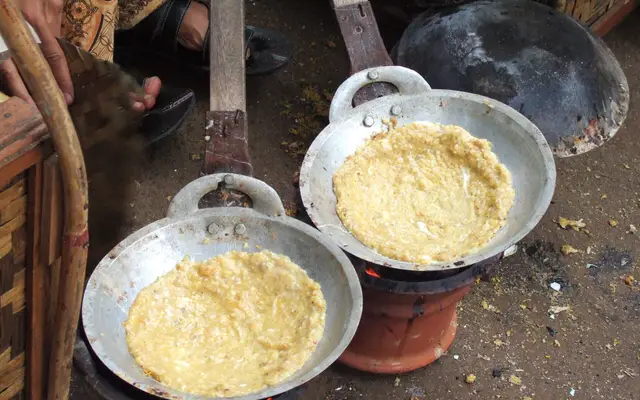
Jakarta Street Food Guide: What to Eat, Where to Look and How to Order
From kerak telor to late-night martabak, the dishes that define Jakarta street food and how to order them with confidence.
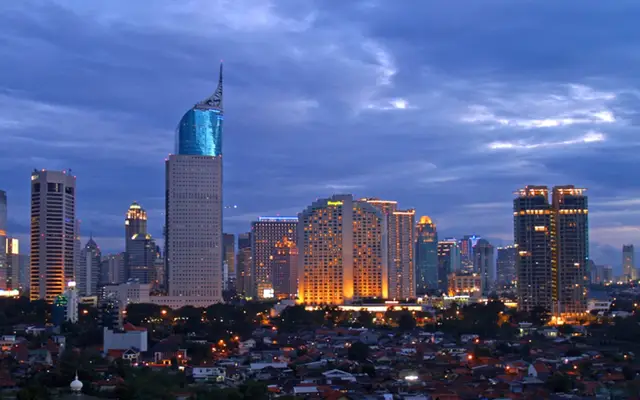
Jakarta Dining by Neighbourhood: Where to Eat and What to Expect
What each Jakarta dining district is known for, from old Menteng and Glodok to Senopati, PIK and BSD, and how to get there.
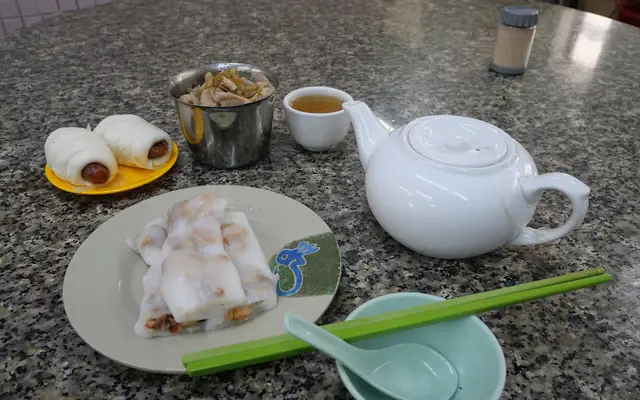
Hong Kong Dim Sum: A Guide to Old-Style Teahouses, Trolleys and Yum Cha
Trolleys, shared tables and a pot of bo lei: how traditional yum cha works in Hong Kong, what to order and the etiquette worth knowing.