
Indonesian Food · Guide
Kue Leker: A Guide to Indonesia's Thin, Crispy Street Crepe and Semarang
A paper-thin crepe folded around chocolate, banana, cheese or egg: the story of kue leker and why Semarang takes it so seriously.
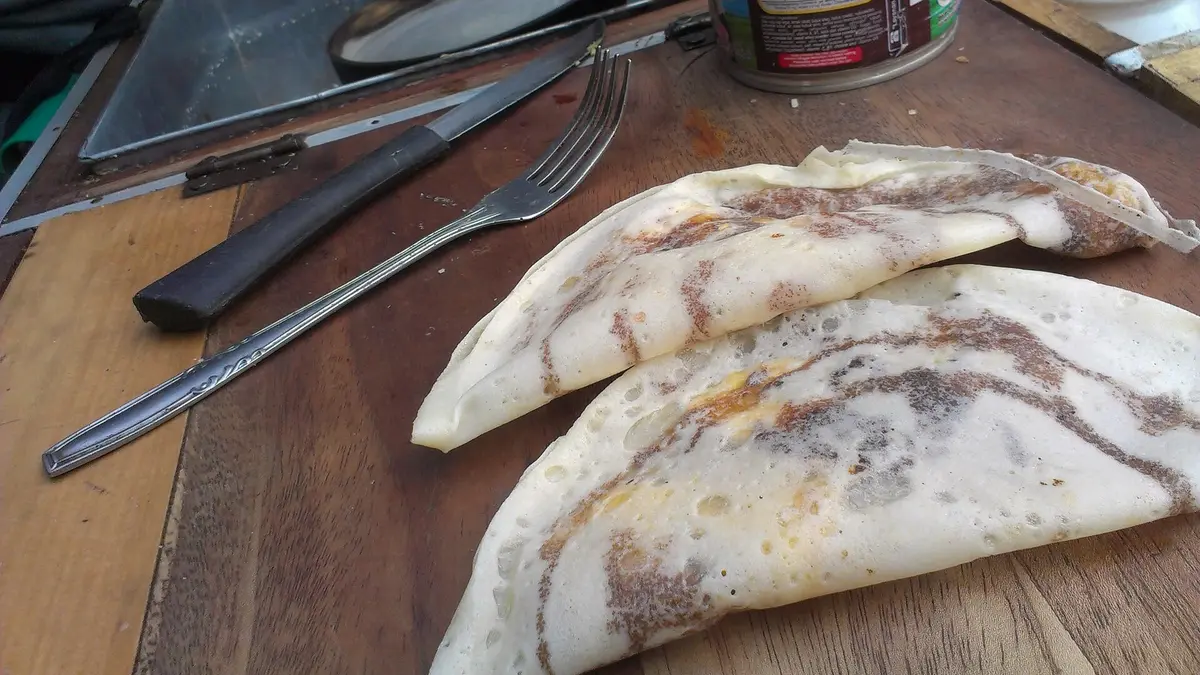
Kue leker is the snack many Indonesians remember buying outside the school gate: a thin, round crepe cooked on a small hot plate, scattered with a filling, folded in half and handed over in a square of paper. It is simple, quick and cheap to make, which is exactly why it has lasted. In Semarang, the capital of Central Java, leker has grown from a children’s snack into something people queue for, with stalls offering dozens of sweet and savoury combinations. This guide covers what leker is, the story usually told about its name, how it is made, what to order, and how it fits into a food trip to Semarang.
What kue leker is
Leker (also spelled lekker) is a thin crepe made from a batter of wheat flour, egg, sugar and milk or water, often with a little rice flour or tapioca to help it crisp. It is cooked on a small, round, flat iron plate, traditionally over charcoal and now usually over gas. The cook pours a ladle of batter onto the hot plate and spreads it in a quick circular motion with the back of the ladle until it is almost transparent.
Once the base sets, the filling goes on, and the crepe is folded into a half-moon. Depending on how long it stays on the plate, leker can be:
- Crispy (kering). Cooked longer, so the whole crepe snaps like a wafer. This is the style Semarang is especially known for.
- Soft (lembut or basah). Taken off sooner, so it bends and stays slightly chewy, closer to a French crepe.
Most stalls will make either if you ask.
Where the name comes from
The most commonly told story is that leker comes from the Dutch word lekker, meaning tasty or delicious. During the colonial period, the tale goes, Dutch children or households would call the snack lekker, and Indonesian vendors adopted the word as its name. Another version links it to snack sellers outside Dutch-era schools.
These stories are best treated as popular history rather than documented fact; there is no single agreed account. What is clear is that the Dutch word entered everyday Indonesian food vocabulary in several places, and the snack itself has become thoroughly local.
How leker is made
Making good leker is mostly about heat control and a fast hand:
- The plate is heated and lightly greased, usually with margarine.
- A thin layer of batter is spread in one smooth circular sweep.
- The filling is added while the top is still slightly tacky, so it sticks.
- The edge is lifted with a spatula, and the crepe is folded in half.
- For a crispy finish, it stays on the plate a little longer, sometimes pressed flat.
A busy stall might have several plates going at once, and watching the rhythm of spreading and folding is part of the fun.
Sweet and savoury fillings
Modern leker stalls, especially in Semarang, often list a long menu of fillings and combinations. Common options include:
| Sweet | Savoury |
|---|---|
| Pisang (banana) | Telur (egg, cracked onto the batter) |
| Cokelat meses (chocolate sprinkles) | Sosis (sausage) |
| Keju (grated cheese) | Kornet (corned beef) |
| Susu kental manis (sweetened condensed milk) | Tuna or abon (shredded meat floss) |
| Gula and margarine | Mozzarella or melted cheese |
| Selai (fruit jam), often strawberry or pineapple | Mayonnaise or chilli sauce as a finish |
Combination orders such as banana, chocolate and cheese are typical, and some stalls offer fusion fillings that change with trends. If you like this kind of snack, our guide to Indonesian desserts covers related sweets such as martabak manis and dadar gulung.
Semarang’s leker culture
Semarang is a port city with deep Javanese, Chinese and Dutch influences, and its food reflects all three. Leker sits comfortably alongside better-known Semarang specialities such as lumpia (spring rolls filled with bamboo shoots), bandeng presto (pressure-cooked milkfish), wingko babat (coconut cakes) and tahu gimbal (tofu with shrimp fritters and peanut sauce).
The city has a number of well-known leker stalls, and one name that comes up often is Lekker Paimo, a long-running stall that has become closely associated with Semarang’s crispy leker and its wide choice of fillings. The My Fun Food Diary editorial team has not visited Lekker Paimo for this guide, and this is not a review. If you want to go, check its current location and operating status on a map app first; well-known street stalls can change their hours or setup, and busy ones may have long waits.
Leker is also widely available outside Semarang, from school-gate carts in small towns to mall kiosks in Jakarta that sell similar folded crepes under other names.
Ordering tips
- Say how you like it. “Yang kering” for crispy, “yang lembut” for soft.
- Pick one or two fillings first. Long combinations can overload a thin crepe and make it soggy.
- Eat it straight away. Crispy leker softens quickly in humid air, so it is best eaten within minutes.
- Be ready to wait. At popular stalls, each crepe is made to order, one at a time per plate.
- Halal. Savoury fillings such as sausage and corned beef at mainstream Indonesian stalls are usually chicken or beef, but if you need to be sure, ask the vendor.
Allergies and children
Leker usually contains wheat, egg and milk, and fillings may add cheese, chocolate, peanut-containing spreads or fish (tuna). Ask what is in the batter and fillings if anyone in your group has allergies; for specific allergy concerns in children, speak to a paediatrician.
Leker is a popular snack for children, but melted chocolate, cheese and condensed milk stay very hot inside the fold, so let it cool for a minute before handing it over. If you make leker at home, a non-stick frying pan works as a substitute for the iron plate; let children mix the batter and choose fillings, and keep the pan and spreading work with an adult. Our article on cooking with children in an Indonesian kitchen has more ideas for sharing kitchen tasks safely.
Fitting leker into a Central Java trip
Semarang links easily with Solo and Yogyakarta by road and rail, and a three-city loop makes a good food itinerary. You could pair Semarang’s leker with the coconut-milk serabi of Solo for a lesson in how two simple Javanese pancakes can be so different. For route ideas, timing and transport, see our food travel planning guide.
Frequently asked questions
Is kue leker the same as a crepe?
It is similar in idea, a thin batter cooked on a flat surface and folded around a filling, but crispy leker is thinner and drier, closer to a wafer.
Why is it called leker?
The usual explanation is that the name comes from the Dutch word lekker, meaning tasty. The details of how it came to be used are part of popular history rather than firm record.
Can leker be savoury?
Yes. Egg, sausage, corned beef, tuna and cheese are all common savoury fillings, sometimes combined with sweet ones.
Does leker keep well?
Not really. Crispy leker loses its crunch quickly, so it is best eaten fresh from the stall.
Keep reading
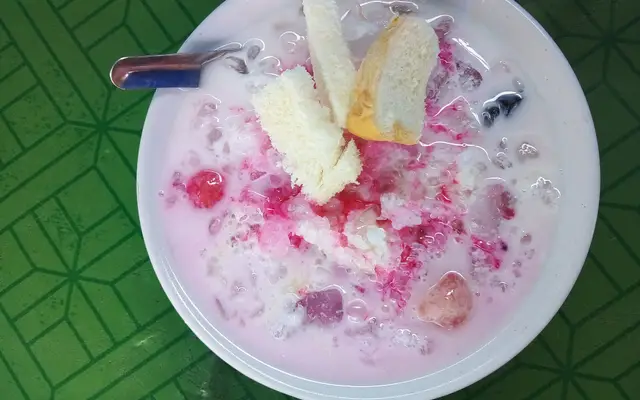
Indonesian Desserts Guide: Es Campur, Klepon, Martabak Manis and More
Coconut, palm sugar and pandan in a dozen forms: the Indonesian sweets worth knowing and how they are eaten.
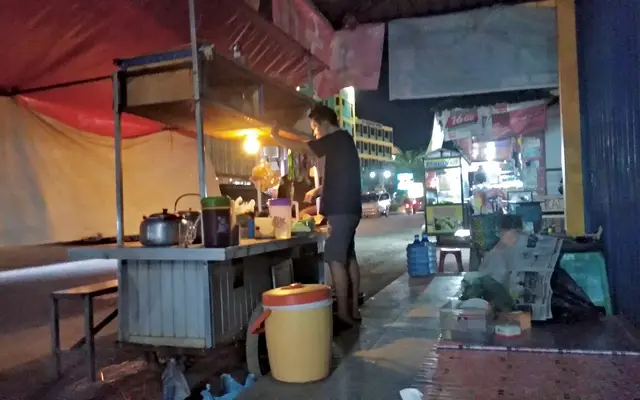
Planning a Food Trip in Indonesia: Routes, Seasons and Stomach Safety
Three eating routes, when to go, how to get around and how to keep your stomach on side for a food-focused trip in Indonesia.
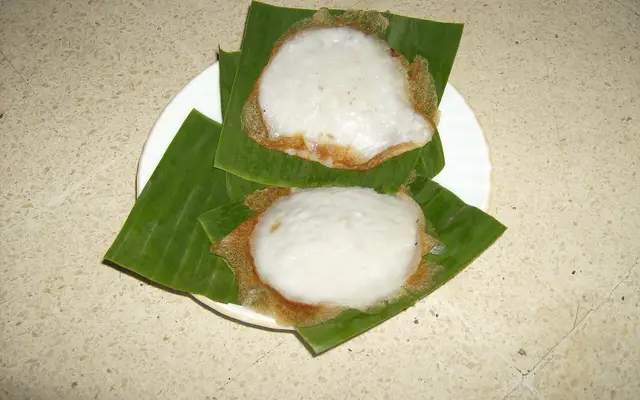
Serabi Solo: A Guide to Solo's Thin Coconut-Milk Pancakes
Solo's small coconut-milk pancakes have crisp edges and a custardy centre. Here is how they are made, eaten and how they differ from other serabi.