
Food & Travel · Guide
Themed and Character Cafés in Jakarta and Asia: A Visitor's Guide
Character cafés, animal cafés and novelty restaurants across Jakarta and Asia: how they work, what to check and when to think twice.
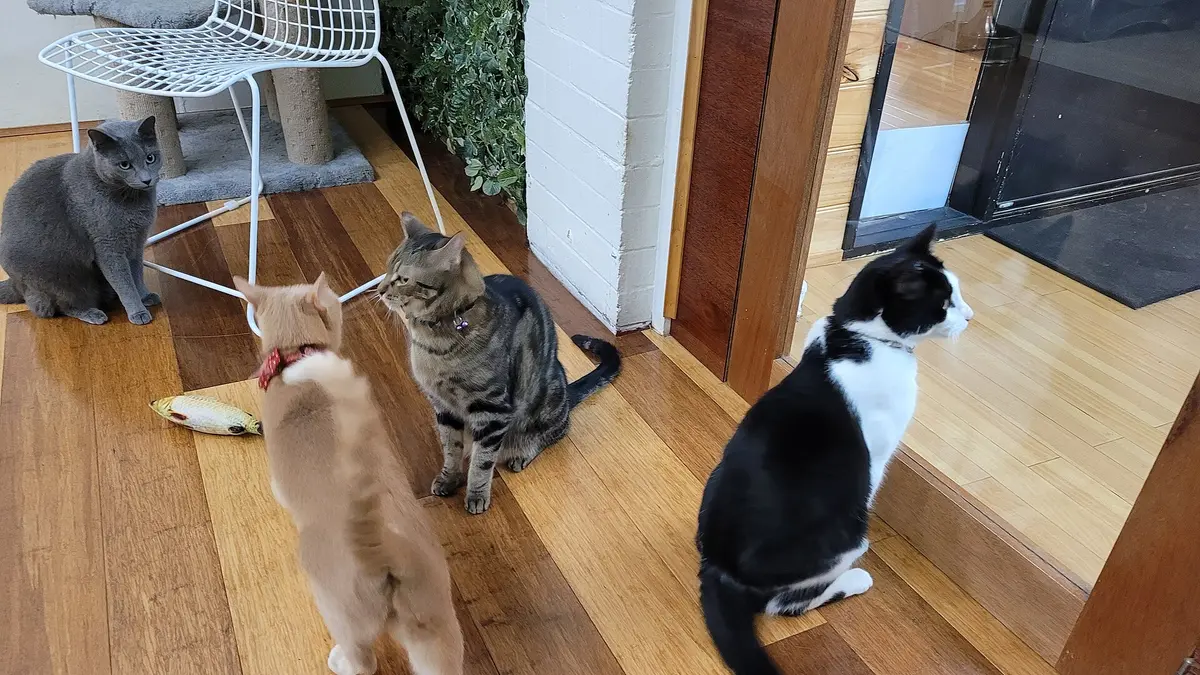
Themed cafés sell an experience first and a meal second. A latte with a cartoon bear drawn in the foam, a dessert shaped like a famous cat, a dining room built to look like a hand-drawn sketch: these places exist to be photographed, shared and remembered. Asia has more of them than anywhere else, and Jakarta has embraced the trend, particularly in its mall districts and newer waterfront developments. This guide explains the main types of themed venue, what to expect when you visit, the welfare questions raised by animal cafés, and how to make a themed outing work with children. One rule runs through all of it: themed cafés open, rebrand and close far more often than ordinary restaurants, so always check that a venue still exists before you plan a trip around it.
Character and brand cafés
The most common themed café is built around a cartoon character or a brand. Messaging-app characters, classic Japanese cute characters, video game franchises and children’s book figures have all inspired cafés in Tokyo, Seoul, Shanghai, Bangkok, Singapore and Jakarta. Some are permanent flagships; many are pop-ups that run for a few weeks or months to promote a new product or anniversary.
They are retail spaces with a kitchen
Understanding the business model helps set expectations. A character café is usually an extension of a brand’s merchandise strategy. The food is designed to look like the characters, the cups and plates are often for sale, and the exit routes past a shop. That is not a criticism, just a description: if you go for the atmosphere and the photographs, you will probably enjoy it. If you go expecting a serious meal, you may be disappointed. Expect to pay a premium for the theme compared with a regular café.
What to expect
- Reservations or timed entry. Popular character cafés in Japan and Korea often require advance booking, sometimes through a lottery or online system, and many set a time limit per table.
- Minimum orders. Some venues require each guest to order at least one item.
- Queues for merchandise. Limited-edition goods can draw longer lines than the café itself.
- Seasonal menus. Collaborations change regularly, so what you saw online may already be gone.
- Food content. In cities outside Indonesia, character cafés may serve pork or alcohol. In Jakarta, look for the official halal label if that matters to you rather than assuming.
Character cafés in Jakarta
Jakarta’s themed cafés tend to cluster in large malls and in newer areas such as Pantai Indah Kapuk (PIK) in the north, where waterfront developments host rows of concept cafés designed with social media in mind. Weekends bring long waits and heavy traffic on the routes into the area. Our Jakarta neighbourhood dining guide explains how PIK and other districts fit together and how to plan around traffic.
Animal cafés and welfare
Animal cafés started with cat cafés, which spread from Taiwan to Japan and across the world, and expanded to dogs, rabbits, owls, hedgehogs, reptiles and, in some cities, wild species such as raccoons, meerkats and otters. They are the most controversial part of the themed café world.
The welfare problem with wild animals
Domestic cats and dogs can adapt to a busy indoor space if they are well managed. Wild animals generally cannot. Raccoons and many owls are nocturnal, so daytime crowds and lights disrupt their natural rhythm. Meerkats live in social groups with complex burrow systems. Otters need water and space. Repeated handling by strangers causes stress, and close contact can spread disease in both directions. Animal welfare groups have long criticised these businesses, and several governments have acted. South Korea, for example, amended its wildlife law to stop wild animals from being exhibited in venues that are not registered zoos or aquariums, a change aimed squarely at wild-animal cafés, with a transition period for existing businesses. Rules in other countries vary and are changing, so a café you read about a few years ago may no longer be operating legally.
Choosing responsibly
If you want to visit an animal café, a few questions help separate better venues from poor ones:
- Are the animals domestic species, such as cats, dogs or rabbits, rather than wild ones?
- Do the animals have places to hide and rest away from visitors, and are they allowed to use them?
- Do staff limit handling, enforce rules and stop guests from picking animals up or waking them?
- Is the space clean, quiet enough and not overcrowded?
- Is the café linked to a rescue or adoption programme?
Many cat and dog cafés in Asia now work with rescue groups and present adoption as part of the visit, which is a far better model than displaying exotic species. If a venue keeps wild animals on show, the kindest choice is to skip it.
Hygiene with animals
Wash hands thoroughly after touching animals and before eating, keep food and drinks away from animals, and check whether the café separates the dining area from the animal room. Anyone with allergies or a weakened immune system should think carefully before visiting.
Novelty and concept restaurants
Some themed venues are built around a single joke or design idea rather than a character. Taipei became known for a long-running toilet-themed restaurant chain where food arrives in miniature toilet bowls and diners sit on toilet-shaped seats. Seoul has cafés designed to look like two-dimensional comic drawings, with black outlines painted onto white furniture. Across the region you will also find prison-themed, hospital-themed and space-themed restaurants, cafés in converted vehicles, and outdoor lounges with beanbags, hammocks, fairy lights or glamping-style tents. Jakarta has its share of these too, often in open-air spaces in the suburbs.
Novelty venues tend to have the shortest lifespans of all. They depend on word of mouth and social media buzz, and once the novelty fades, many close or reinvent themselves. Outdoor lounges also depend heavily on weather; heavy rain in the wet season can close or empty them quickly.
Visiting themed cafés with children
Themed cafés can be a treat for families, but they are not always designed with small children in mind.
- Check age rules. Some animal cafés restrict young children; some character cafés have strict booking rules for every guest, including babies.
- Look at the menu first. Themed food often leans heavily on sugar, colouring and caffeine-based drinks, so plan a proper meal elsewhere.
- Watch for hazards. Decorative props, small toys and figurines can be choking hazards for under-fours, and hot drinks in novelty cups can be unstable.
- Be ready for the shop. Agree on a merchandise budget before you go in.
- Teach gentle behaviour. At animal cafés, children should never chase, grab or pick up animals, and should wash their hands afterwards.
For everyday family meals in the city, our guide to family-friendly restaurants in Jakarta covers what to look for. And if a themed café is part of a longer trip, our food travel planning guide helps you fit it around everything else.
A note on change
Themed venues are unusually short-lived. Character licences expire, pop-ups end, malls renovate and local regulations shift. This guide deliberately describes types of venue rather than recommending specific ones. Before you go, check a map app and the venue’s official social media for recent activity, and confirm booking requirements directly.
Frequently asked questions
Do I need to book a character café in advance?
For popular venues in Japan and Korea, often yes. In Jakarta, walk-ins are more common, but weekend queues can be long. Check the venue’s official channels before you go.
Are animal cafés ethical?
It depends on the animals and how they are kept. Well-run cat and dog cafés linked to rescue programmes are generally considered better options. Cafés displaying wild animals raise serious welfare concerns, and several countries have restricted them.
Is the food at themed cafés good?
It varies. The focus is usually on presentation and atmosphere, so treat it as a snack and an experience rather than a main meal.
Keep reading

Jakarta Dining by Neighbourhood: Where to Eat and What to Expect
What each Jakarta dining district is known for, from old Menteng and Glodok to Senopati, PIK and BSD, and how to get there.
How to Choose Family-Friendly Restaurants in Jakarta: A Parent's Guide
What to look for when eating out with children in Jakarta, from mall food courts and mild menus to timing your trip around traffic.
Planning a Food Trip in Indonesia: Routes, Seasons and Stomach Safety
Three eating routes, when to go, how to get around and how to keep your stomach on side for a food-focused trip in Indonesia.