
Family Dining · Guide
Sensory-Friendly Cooking With Kids Who Are Cautious Eaters
Texture play, smell games and counting with shallots: gentle, pressure-free ways to help cautious eaters get comfortable with food.
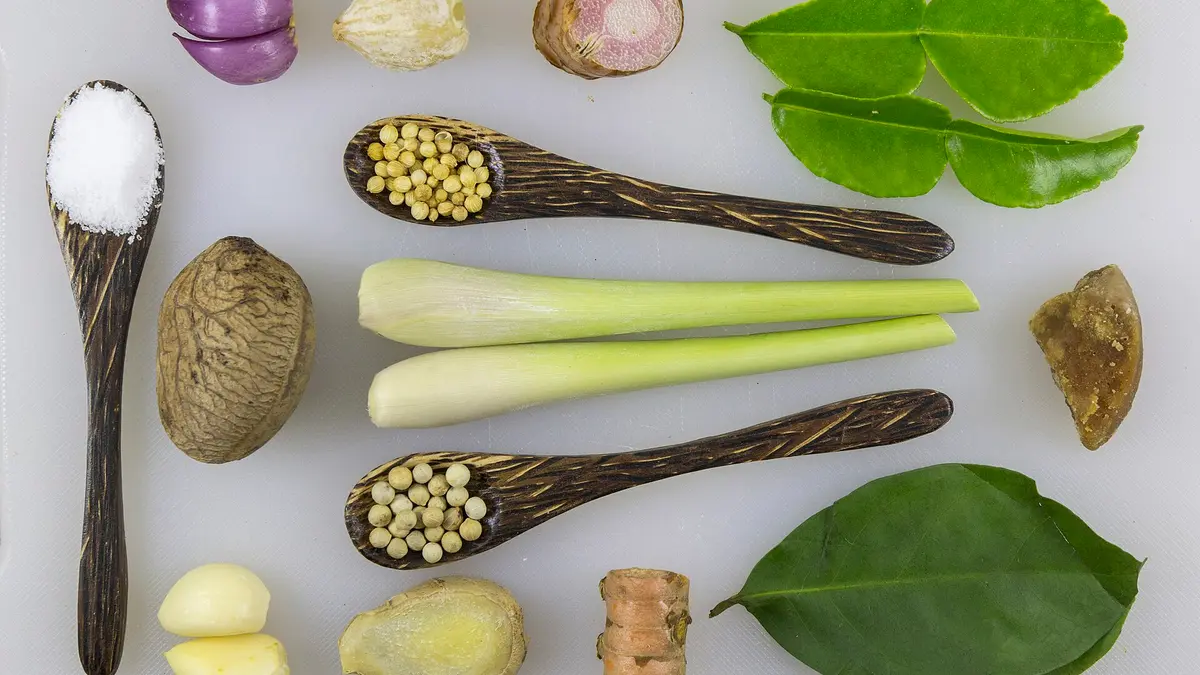
Some children are naturally cautious about food. A slippery texture, a strong smell or two foods touching on the plate can be enough to make a meal feel overwhelming. The kitchen can help, because it lets children meet food on their own terms, with no expectation that they eat it. This guide offers low-pressure ways to explore textures, smells and colours through cooking and play, using ingredients found in most Indonesian homes. It is not a treatment for feeding difficulties, and the final section explains when to ask a professional for support.
Why food can feel difficult
For a cautious eater, a dish is a bundle of sensations, any of which can be off-putting:
- Texture. Slippery vegetables in sayur lodeh, the softness of bubur, chewy kolang-kaling or springy bakso can all be challenging.
- Smell. Terasi, petai, durian and even fried fish can be strong for sensitive noses.
- Appearance. Mixed dishes such as nasi campur, where sauces run together, can look unpredictable.
- Temperature. Some children prefer food warm rather than hot, or reject anything lukewarm.
- Change. A favourite brand of kerupuk replaced with another may suddenly be refused.
None of this is unusual. The aim of sensory-friendly cooking is to make these sensations familiar in a setting where nothing has to be eaten.
Principles of low-pressure exposure
A few ideas underpin everything else in this guide:
- No one has to eat. Say clearly that touching, smelling and helping are enough. Remove the pressure and many children become more curious.
- Small steps count. Looking at a food, touching it, smelling it, licking it and tasting it are all progress. A child who helps wash kangkung has had real contact with a vegetable.
- Allow a polite exit. A napkin to spit into, or a small bowl for things they do not want, makes trying less risky.
- Keep it predictable. Tell children what you will be doing before you start, and keep sessions short.
- Stay neutral. Avoid praise for eating or disappointment at refusal. Simple description works better: “This one is crunchy. That one is soft.”
Texture play in the kitchen
Dry and grainy
Measuring and rinsing uncooked rice is calming for many children. They can scoop it, pour it between cups, then feel the change as it is washed in the rice cooker pot. Sorting dried beans, peeling shallots or picking leaves off stems also offers gentle, repetitive contact. Use food that will actually be cooked, so play does not become waste.
Soft and squishy
Mashing boiled potato for perkedel, kneading glutinous rice dough for klepon, or squeezing grated coconut are messier steps. Offer a spoon or a pair of food-safe gloves to children who dislike sticky hands, and a damp cloth nearby so they can wipe off whenever they want. Our Indonesian desserts guide describes many sweets made from these doughs.
Crunchy and loud
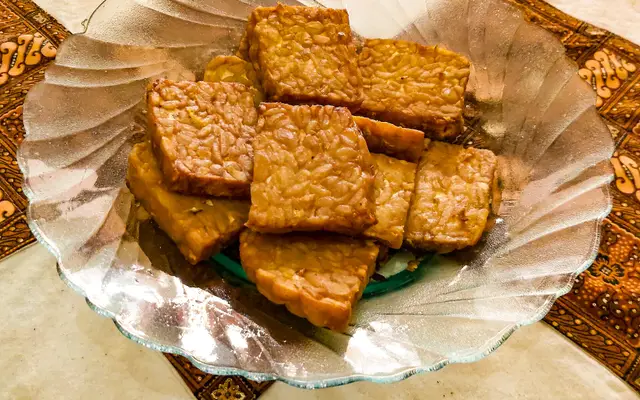
Breaking kerupuk, snapping long beans or listening to tempe sizzle (from a safe distance) adds sound to the experience. For children under about four, keep pieces of hard foods small and make sure they sit down while eating.
Smell games
Smell is closely linked to how a food is accepted. Try a guessing game with small covered cups containing a lime leaf, a piece of bruised lemongrass, pandan, a cinnamon stick, cloves and a slice of ginger. Children sniff, guess and describe: sweet, sharp, like a cake, like soup. Keep chilli and ground spices out of this game, as they can irritate the nose and eyes.
Food-themed learning activities
Food-themed activities are an easy way to combine learning with exposure. A few that suit different ages:
- Counting. Count shallots, garlic cloves or eggs for a recipe. Younger children can count out cucumber slices onto each plate.
- Colours. Build a rainbow plate from carrot, tomato, cucumber, corn, purple cabbage and egg, or sort gado-gado vegetables by colour before assembling.
- Measuring. Older children can measure rice and water, compare cups and spoons, and see what happens when a recipe is doubled.
- Market spotting. At a market, ask children to find something green, something round or something they have never seen. Go early, when markets tend to be quieter, as noise and crowds can be overwhelming. Our guide to traditional food markets has more on how pasar visits work.
- A food diary. Children can draw or stick photos of foods they touched, smelled or tasted each week. It turns exposure into a record they can be proud of.
Bringing new foods to the table
Kitchen play works best when it connects gently to meals:
- Serve components separately. Instead of a mixed dish, put rice, chicken, egg and vegetables in separate piles or a divided plate, with sauces on the side.
- Include one familiar food. Always offer at least one food the child reliably eats, so the meal never feels like a test.
- Let the food they prepared appear. A child who washed the cucumber may like seeing it on the table, even if they do not eat it today.
Our guide to introducing children to Indonesian flavours explains repeated exposure and how to build up gradually to spice.
Safety notes
Sensory play is still kitchen work. Wash hands before and after, keep raw meat, fish and egg out of play activities, and keep chilli away from young children. Check for allergies before using peanuts, shellfish, egg, soy or wheat. Choose tasks that suit the child’s age; our age-appropriate kitchen tasks guide gives a table of ideas.
When to ask for more help
Many cautious eaters gradually widen their range with patience. If your child eats a very narrow range of foods, becomes very distressed at mealtimes, or you have any concerns about their growth, talk to your paediatrician. They can advise whether a referral to a feeding specialist or occupational therapist might help.
Frequently asked questions
Will food play make my child eat more vegetables?
It may help over time, but it is not a shortcut. The goal is comfort and familiarity. Eating often follows, but pressuring a child to eat during play usually works against it.
Is it wasteful to play with food?
It need not be. Choose activities that are part of real cooking, such as washing, sorting and mashing, so the ingredients end up in a family meal.
How long should a sensory cooking session last?
Short is better: five to fifteen minutes is plenty for younger or anxious children. Stop while it is still enjoyable.
Keep reading
Introducing Children to Indonesian Flavours, One Step at a Time
Sweet soy, coconut, lemongrass and, eventually, chilli: a patient, step-by-step way to help children enjoy Indonesian food.

Age-Appropriate Kitchen Tasks for Kids: A Guide by Age Band
From washing kangkung at two to cooking nasi goreng at twelve: a realistic, safety-first guide to kitchen tasks by age.
Cooking With Children in an Indonesian Kitchen: A Practical Start
Why cooking together is worth the mess, how to make a typical Indonesian kitchen safe for small helpers, and which dishes to try first.