
Recipes · Recipe
Gado-Gado Recipe: Indonesian Vegetable Salad with Peanut Sauce
Blanched vegetables, tofu, tempeh and egg under a rich homemade peanut sauce, with allergy notes and a nut-free sauce idea.
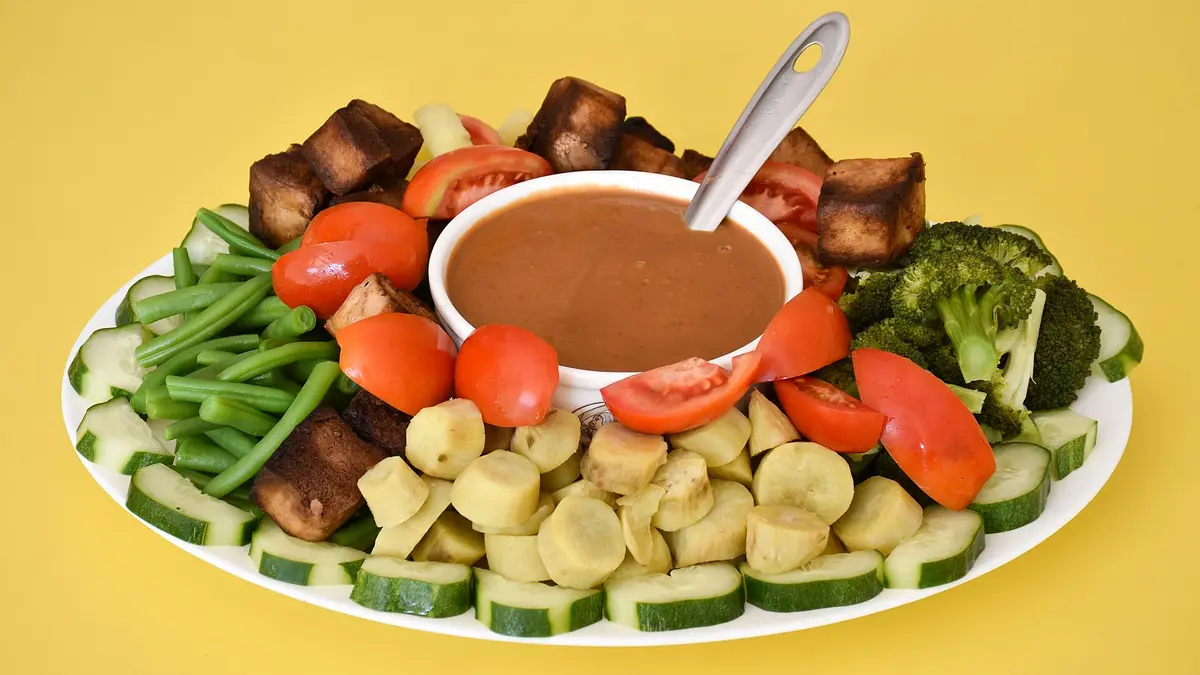
Gado-gado is a generous plate of lightly cooked vegetables, tofu, tempeh, potato and egg, brought together by a thick, sweet-savoury peanut sauce. The name is often explained as meaning something like “mix-mix” or “a jumble”, which fits: it is a dish built from whatever vegetables are fresh, and the sauce is what ties it together. It is one of the most approachable Indonesian dishes for visitors and one of the most comforting for locals, and it happens to be naturally vegetarian if you leave out the shrimp paste.
This recipe makes the peanut sauce from scratch, with a peanut-butter shortcut for busy evenings, and includes clear allergy guidance plus a nut-free sauce idea.
Where gado-gado comes from
Gado-gado is strongly associated with Jakarta and Betawi cooking, though versions of vegetables-with-peanut-sauce appear across Java under different names. Karedok, from West Java, uses raw vegetables rather than cooked ones; pecel, from Central and East Java, has a spicier, more herbal peanut dressing; and lotek is another Sundanese cousin. At street stalls in Jakarta, gado-gado is often prepared to order, with the vendor grinding the sauce fresh on a wide stone mortar for each customer and asking how many chillies you want. You will find it alongside other classics in our Jakarta street food guide.
Key ingredients and substitutions
Peanuts. Frying raw peanuts gives the deepest, toastiest flavour. Roasted unsalted peanuts work too; just skip the frying. Unsweetened peanut butter makes a quicker, smoother sauce, though slightly less complex. If your peanut butter is salted, reduce the added salt.
Palm sugar (gula jawa). It brings a rounded, caramel sweetness. Dark brown sugar is the easiest substitute abroad. Our pantry essentials guide explains palm sugar, tamarind and terasi in more detail.
Tamarind. Adds a gentle sourness that balances the richness. Lime juice works if you cannot find tamarind paste.
Vegetables. Use what is in season: carrots, chayote, young jackfruit, bitter melon, broccoli or Chinese leaf all appear in home versions. Keep a balance of soft, crunchy and leafy.
Tofu and tempeh. Both add protein and texture. Tempeh can be marinated briefly in salt water with a little crushed garlic before frying for extra flavour.
Technique tips
- Watch the peanuts closely. They go from golden to burnt quickly and keep darkening after they leave the oil.
- Adjust the sauce texture at the end. Peanut sauce thickens as it cools and as it sits on the vegetables. Aim for something slightly looser than you think you need.
- Balance by tasting. It should be sweet, salty, nutty and slightly tart. Add sugar, salt or tamarind in small amounts until it tastes rounded.
- Do not overcook the vegetables. They should keep some bite and colour. A quick cold rinse stops them softening further.
Variations
- Ketoprak-style: add rice vermicelli and more tofu, and use a garlicky peanut sauce with plenty of kecap manis.
- Karedok-style: use raw, finely sliced cabbage, cucumber, long beans and bean sprouts with a sauce that includes kencur (aromatic ginger) if you can find it.
- Party platter: serve the vegetables and protein separately with the sauce in bowls, so guests can build their own plates.
- Satay sauce crossover: the same sauce, slightly thinner, works beautifully with grilled chicken skewers, as described in our sate guide.
Making it child-friendly, and allergy safety
Without chilli or shrimp paste, gado-gado sauce is sweet and nutty, which many children enjoy. Serve the vegetables in separate piles rather than drowned in sauce, so cautious eaters can choose what to dip. For more on gradually building up to Indonesian flavours, see our article on introducing children to Indonesian flavours.
Peanuts are one of the most common causes of serious allergic reactions. If anyone at the table has a peanut allergy, do not serve peanut sauce at the same meal, as cross-contact through spoons, boards and hands is easy. The sunflower-seed sauce in the notes is an idea for nut-free households, but prepare it with thoroughly cleaned equipment and check seed products for “may contain” warnings. For questions about introducing peanuts to babies or managing an allergy, ask your paediatrician. Never give whole or chopped peanuts to children under four, as they are a choking hazard; smooth sauce is a different matter, but follow your doctor’s guidance.
Serving suggestions
Gado-gado is a complete meal when served with lontong or ketupat, but it also works as a side for grilled fish or chicken. Fried shallots on top are traditional, along with crackers: prawn krupuk or slightly bitter emping made from melinjo nuts. A clear soup such as soto ayam makes a lovely pairing for a larger family meal.
Gado-Gado Recipe — recipe
Ingredients
- Peanut sauce: 200 g raw skinless peanuts (or 180 g unsweetened smooth peanut butter)
- Peanut sauce: 3 tbsp vegetable oil (only if frying raw peanuts)
- Peanut sauce: 3 cloves garlic, peeled
- Peanut sauce: 1–3 red bird’s eye chillies, or 1 large red chilli, deseeded (optional)
- Peanut sauce: 1/2 tsp toasted terasi (shrimp paste), optional
- Peanut sauce: 2 kaffir lime leaves, very finely shredded, optional
- Peanut sauce: 40 g palm sugar (gula jawa), chopped, or dark brown sugar
- Peanut sauce: 1 tbsp kecap manis
- Peanut sauce: 1 tbsp tamarind paste mixed with 2 tbsp warm water, or 1 1/2 tbsp lime juice
- Peanut sauce: 3/4 tsp salt
- Peanut sauce: 300–400 ml warm water
- 200 g firm tofu, cut into 2 cm thick slabs
- 200 g tempeh, cut into 1 cm thick slices
- Vegetable oil for shallow frying
- 2 medium waxy potatoes (about 300 g), peeled and cut into thick slices
- 150 g green beans or long beans, cut into 5 cm lengths
- 1/4 small white cabbage, cut into ribbons
- 150 g water spinach (kangkung) or regular spinach
- 150 g bean sprouts
- 1 cucumber, sliced
- 4 eggs, hard-boiled and quartered
- 4 pieces lontong or ketupat (rice cakes), or 2 cups cooked rice, optional
- To serve: fried shallots, prawn crackers or emping (melinjo crackers)
Method
- If using raw peanuts, heat the oil in a wok over medium-low heat and fry the peanuts, stirring constantly, for 6–8 minutes until evenly golden. Drain on paper and cool for 10 minutes.
- Briefly fry the garlic and chillies in the same oil for 1 minute until softened, then drain.
- Grind the cooled peanuts in a food processor to a fine, slightly oily crumb. Add the garlic, chillies, terasi, palm sugar and salt and blend again until combined.
- Transfer to a saucepan, add the kecap manis, tamarind water, lime leaves and 300 ml warm water. Simmer over low heat for 5–7 minutes, stirring often, until thick and glossy. Add more water if it becomes stiff; it should coat a spoon thickly but still pour. (If using peanut butter, skip frying and simply whisk everything together in the pan before simmering.)
- Pat the tofu and tempeh dry. Shallow-fry them in 1 cm of hot oil over medium-high heat for 3–4 minutes per side until golden. Drain and cut into bite-sized pieces.
- Boil the potatoes in salted water for 10–12 minutes until just tender. Lift out and drain.
- In the same pot of boiling water, blanch the green beans for 3 minutes, the cabbage for 1 minute, the water spinach for 1 minute and the bean sprouts for 20 seconds, lifting each out with a slotted spoon.
- Rinse the blanched vegetables briefly under cold water to stop them cooking, then drain well and squeeze excess water from the greens.
- Arrange the lontong or rice, potatoes, vegetables, cucumber, tofu, tempeh and egg on a large platter or individual plates.
- Warm the peanut sauce if needed and pour it generously over the top, or serve it in a jug alongside.
- Finish with fried shallots and crackers, and serve straight away.
Notes
- Allergens: the sauce contains peanuts, and the dish also contains soy (tofu, tempeh, kecap manis) and egg. Terasi and prawn crackers contain shellfish. Keep peanut sauce well away from anyone with a peanut allergy, including shared spoons and boards.
- Nut-free sauce idea: blend 150 g toasted sunflower seeds or 120 g sunflower seed butter with the same garlic, sugar, tamarind and water. The flavour differs but the texture is similar. Make it in thoroughly cleaned equipment.
- Kid-friendly: leave out the chillies and terasi; add extra kecap manis for a sweeter sauce. Thin portions of sauce with a little warm water for younger children.
- Storage: peanut sauce keeps for 5 days in the fridge or 2 months in the freezer. It thickens when cold, so loosen with warm water when reheating.
Keep reading
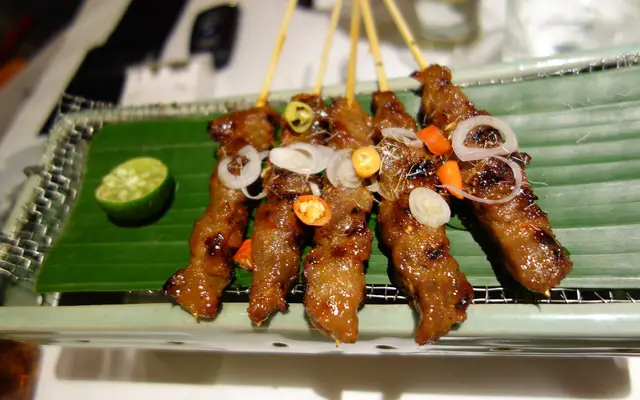
Sate Guide: Indonesian Satay Styles, Sauces and How to Order
Peanut sauce is only the start. Meet the regional styles of Indonesian sate and learn how to order them like a local.
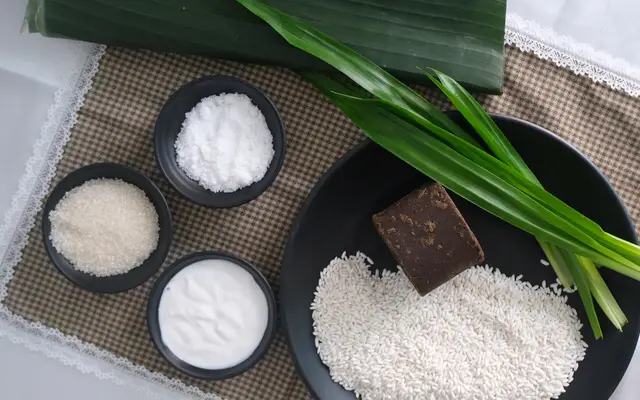
Indonesian Pantry Essentials: What to Stock and How to Substitute
The sauces, aromatics and staples behind Indonesian home cooking, with practical substitutes and storage advice.
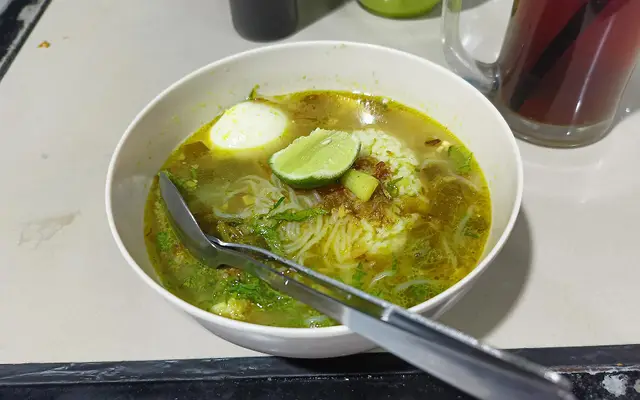
Recipes · Recipe
Soto Ayam Recipe: Clear Turmeric Chicken Soup with Koya and Sambal
A fragrant, golden Indonesian chicken soup with glass noodles, boiled egg, lime and crunchy koya, made mild for kids with sambal on the side.