
Recipes · Recipe
Rendang Recipe: Slow-Cooked Minang Beef Rendang for Families
Beef simmered in coconut milk and spice paste until dry, dark and tender, the Minang way, with a mild version the whole family can share.
Rendang is beef cooked slowly in coconut milk and a fresh spice paste until the sauce has disappeared and the meat is dark, tender and coated in a rich, almost dry paste. It comes from the Minangkabau people of West Sumatra, and it is one of the dishes most closely tied to Indonesian home cooking and celebrations. Many people outside Indonesia know it as a saucy brown curry, but the Minang version keeps going well past that point, until the coconut milk has reduced, split and fried the spices and beef in its own oil.
This recipe follows that method on an ordinary stove. It needs about four hours, most of it simmering with a stir every so often, and it comes with a family-mild version so children can share the same pot. Our guide to gulai and Minang cuisine explains where rendang fits among the other dishes of a Padang restaurant counter.
Where rendang comes from
Indonesia’s official tourism site traces rendang to Minangkabau culture in West Sumatra and links the name to merendang, the Minang word for the slow-cooking process itself. In that sense rendang describes a way of cooking as much as a single dish. The same source describes rendang being served at weddings, religious celebrations and community gatherings, and at Eid al-Fitr and Eid al-Adha, with the cooking often shared among family members.
According to Indonesia Travel, rendang was originally made with buffalo meat for special occasions and traditional ceremonies. Because the long cooking drives out most of the moisture, the dish is believed to have begun partly as a way to keep meat before refrigeration, and Minang people who left home to work and trade carried it with them as travelling food. Today beef is the standard, with versions made from chicken, lamb and other ingredients. In April 2018 Indonesia’s Ministry of Tourism named rendang one of five national dishes, alongside soto, nasi goreng, sate and gado-gado. You can cook three of the others from our recipes for soto ayam, nasi goreng and gado-gado.
Gulai, kalio and rendang: three stages in one pot
The easiest way to understand rendang is to watch the pot change. Indonesia Travel describes three stages:
- Gulai: the coconut milk is still liquid and the sauce is loose and orange.
- Kalio: the coconut milk thickens, darkens and becomes oily as its fat separates.
- Rendang: the kalio keeps cooking over low heat until it dries and the beef browns in the oil.
The traditional cook described on that site takes seven to eight hours. Published home recipes usually reach the dry stage in about two and a half to four hours, using a wide pan and steady heat. James Oseland’s recipe, which he learned from a cook in Padang and which is published by The Splendid Table, reduces the sauce for two to three hours and then fries the beef in its own fat until it turns the colour of roasted coffee beans. This recipe sits in that home range.
Key ingredients and substitutions
Beef. Choose a cut that likes long cooking and has some marbling, such as chuck, shin or oyster blade. Lean, quick-cooking steak cuts are less suited to hours of simmering. Cut the pieces generously, around 4–5 cm, so they hold together through hours of stirring.
Coconut milk. Full-fat coconut milk supplies the fat that separates out during the long simmer and eventually fries the paste and beef, so choose full-fat rather than light. Shake the cans well before opening.
The spice paste. Shallots, garlic, ginger, galangal, turmeric and chillies form the base. Cloves, nutmeg and cinnamon bring a gentle warmth. Our bumbu basics guide explains how to blend and fry a paste so it tastes cooked rather than raw.
Aromatic leaves. Lemongrass, kaffir lime leaves and turmeric leaf give rendang its fresh, citrusy perfume. If you cannot find turmeric leaf, use Indonesian bay leaves or simply leave it out. The Indonesian pantry essentials guide covers where to find these and how to store them.
Sourness. Tamarind paste or asam kandis, a dried sour fruit used in Sumatran cooking, balances the richness of the coconut. A squeeze of lime at the end works in a pinch.
Technique tips
- Use a wide pan. A wide pan or wok gives the coconut milk more surface to reduce. In a deep, narrow pot the same recipe will usually take longer.
- Leave the lid off. Rendang depends on evaporation, so keep the pan uncovered from start to finish.
- Stir more as it thickens. Early on, a stir every 10–15 minutes is enough. Once the sauce turns thick and brown, stay close and scrape the bottom so the paste does not catch and burn.
- Season late. The sauce concentrates as it reduces, so taste for salt at the kalio stage rather than at the start.
- Rest it. Oseland’s recipe calls for a rest of at least 30 minutes and notes that rendang tastes even better the next day.
Making rendang family-friendly
Almost all of rendang’s heat comes from the chillies in the paste, so the simplest family version uses just two or three long red chillies with the seeds removed. You still get the colour and fragrance of the paste with very little heat, and adults can add sambal at the table. Our sambal guide has ideas for which one to serve.
Some children prefer a saucier dish. In that case, stop at the kalio stage once the beef is tender, ladle out the children’s portion, and let the rest of the pot carry on to dry rendang for the adults. Kalio is a well-known dish in its own right, not a shortcut.
For young children, cut or shred the beef into small pieces and remove every piece of lemongrass, cinnamon, clove and leaf before serving. Children can help wash and tear the lime leaves or set out the side dishes, but keep them away from the pan in the final stage, when the hot oil can spit. Our article on age-appropriate kitchen tasks suggests suitable jobs by age, and introducing children to Indonesian flavours has tips for new tastes.
Food safety, storage and allergens
The USDA Food Safety and Inspection Service (FSIS) gives 145°F (62.8°C) with a rest of at least three minutes as the safe minimum internal temperature for whole cuts of beef, measured with a food thermometer. Rendang simmers for hours, but a thermometer is the only reliable way to check if you are unsure.
Rendang’s reputation for keeping well comes from the traditional, very dry version. For home cooking, follow ordinary leftover guidance. FSIS advises refrigerating cooked food within 2 hours, or within 1 hour if the temperature is above 90°F (32°C), and dividing large amounts into shallow containers so they cool quickly. It gives 3 to 4 days in the refrigerator or 3 to 4 months in the freezer, and advises reheating leftovers to 165°F (73.9°C).
Rendang contains coconut. The US Food and Drug Administration (FDA) no longer lists coconut on its Tree Nut List and no longer considers it a major food allergen for labelling, but coconut must still appear in a product’s ingredient list. That labelling change does not make coconut safe for anyone who reacts to it, so leave this dish out for anyone with a coconut allergy. This recipe uses no nuts.
Serving suggestions
Rendang is rich, so it pairs best with plain steamed rice. Our guide to cooking perfect rice covers the rice cooker and stovetop methods. Add something fresh and crisp on the side, such as cucumber slices, blanched long beans or a simple vegetable dish, and a small bowl of sambal for those who like heat.
Because it reheats well, rendang is a good dish to cook at the weekend for meals later in the week. A batch for six can cover one dinner and a lunchbox or two, which fits the batch-cooking ideas in our meal planning guide for busy families. For more dishes the whole table can share, see family-friendly Indonesian meals.
Rendang Recipe — recipe
Ingredients
- 1 kg (2.2 lb) boneless beef chuck, shin or oyster blade, cut into 4–5 cm cubes
- 800 ml full-fat coconut milk (two 400 ml cans, about 3 1/3 US cups)
- 250 ml (1 US cup) water
- Spice paste: 10 shallots (about 150 g), peeled
- Spice paste: 6 cloves garlic, peeled
- Spice paste: 4 cm fresh ginger, peeled
- Spice paste: 4 cm fresh galangal, sliced, or 2 tsp ground galangal
- Spice paste: 4 cm fresh turmeric, peeled, or 1 1/2 tsp ground turmeric
- Spice paste: chillies to taste – 8–12 long red chillies for a classic medium-hot rendang, or 2–3 long red chillies, deseeded, for the family-mild version
- Spice paste: 4 whole cloves and 1/2 whole nutmeg, finely grated (about 1 tsp)
- 2 tbsp vegetable or coconut oil
- 2 stalks lemongrass, bruised and tied in a knot
- 1 cinnamon stick (about 8 cm)
- 6 kaffir lime leaves, torn
- 1 turmeric leaf, or 2 Indonesian bay leaves (daun salam), optional
- 1 tbsp tamarind paste mixed with 2 tbsp warm water, or 2 pieces asam kandis
- 1 1/2 tsp salt, plus more to taste
- 1 tsp palm sugar or brown sugar
- To serve: steamed rice, cucumber slices and sambal on the side
Method
- Blend the shallots, garlic, ginger, galangal, turmeric and chillies into a smooth paste, adding a splash of water if the blender needs help. Add the cloves and grated nutmeg and blend again until fine.
- Heat the oil in a wide, heavy pan or wok (at least 28 cm across) over medium heat. Fry the paste for 5–7 minutes, stirring often, until it smells sweet, darkens slightly and the oil begins to separate.
- Add the beef and stir for 3–4 minutes so every piece is coated in the paste.
- Pour in the coconut milk and water, then add the lemongrass, cinnamon, lime leaves, turmeric or bay leaves, tamarind, salt and sugar. Bring to a gentle boil over medium heat, stirring so the coconut milk does not split, then lower the heat to a steady simmer. Leave the pan uncovered.
- Gulai stage (about the first hour): simmer, stirring every 10–15 minutes. The sauce is still loose and orange.
- Kalio stage (roughly 1 1/2 to 2 1/2 hours in): the sauce thickens, turns brown and the oil separates from the coconut milk. Stir every 5–10 minutes now, scraping the bottom of the pan. Taste and adjust the salt. If the family prefers a saucy dish, you can stop here once the beef is tender.
- Rendang stage (a further 45–60 minutes): turn the heat to medium-low and stir often as the last of the liquid disappears and the beef fries in the coconut oil. Keep going until the beef is dark brown, very tender and coated in a thick, almost dry paste. Take care, as the oil can spit.
- Remove the lemongrass, cinnamon, leaves and any asam kandis. Let the rendang rest for at least 30 minutes, then serve with rice, cucumber and sambal for anyone who wants more heat.
Notes
- Kid-friendly: use the family-mild chilli option, keep sambal at the table for adults, and cut or shred the beef into small pieces for young children. Remove all whole spices and leaves before serving.
- Allergens: contains coconut. This recipe uses no nuts. Check labels on canned coconut milk and tamarind paste for other allergens or cross-contact warnings.
- Make ahead: rendang is often said to taste better the next day. Cool it in shallow containers and refrigerate within 2 hours of cooking; eat within 3–4 days or freeze for 3–4 months. Reheat until steaming hot, 165°F (74°C).
- Quantities and timings are adapted from published rendang recipes and are a starting point. Cooking time depends on the cut, the width of your pan and your heat, so judge by texture and colour rather than the clock.
Keep reading
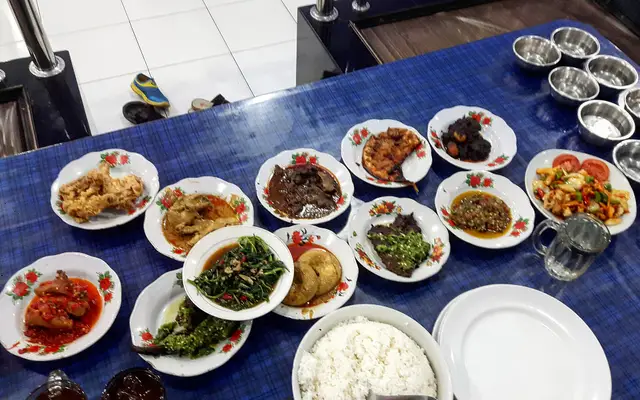
Gulai and Minang Cuisine: Rendang, Kalio and How to Order Nasi Padang
Gulai, kalio and rendang explained, plus a practical guide to ordering at a Padang restaurant without confusion.
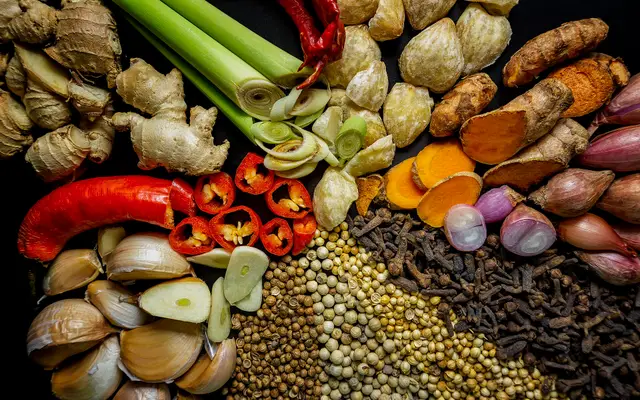
Bumbu Basics: How to Make Indonesian Spice Pastes at Home
The three base spice pastes behind countless Indonesian dishes, and how to grind, fry and freeze them.
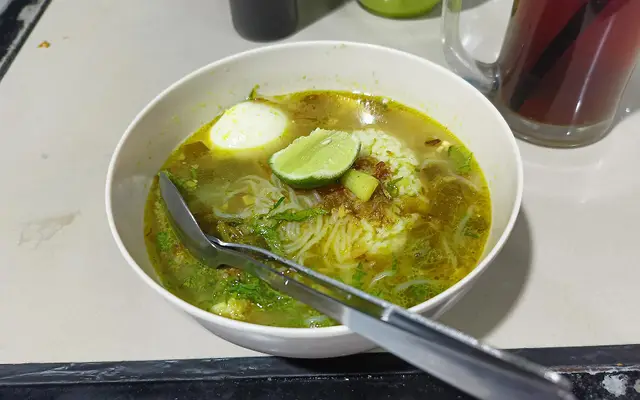
Recipes · Recipe
Soto Ayam Recipe: Clear Turmeric Chicken Soup with Koya and Sambal
A fragrant, golden Indonesian chicken soup with glass noodles, boiled egg, lime and crunchy koya, made mild for kids with sambal on the side.